In today’s competitive retail landscape, apparel stores aren’t just about selling clothes — they’re about delivering seamless shopping experiences across physical locations, online storefronts, and mobile channels. For high-volume, multi-channel apparel retailers, the right Point of Sale (POS) system becomes a central hub that unifies inventory, speeds up checkout, empowers staff, and elevates customer engagement.
This checklist outlines the essential features and capabilities your apparel store POS system must have in 2026 to manage complex assortments, handle rapid sales volumes, sync inventory across channels, and support scalable growth. Whether you’re a fast-fashion brand, a boutique retailer, or a growing chain, this guide will help you evaluate POS systems that can keep up with your business demands.
Highlights
- Apparel retailers need a POS system built for variant-heavy catalogs, fast stock updates, and clean omnichannel sync.
- The right POS helps apparel brands scale across locations, reduce errors, and deliver a smooth experience for shoppers online and in person.
What is an Apparel Store POS System?
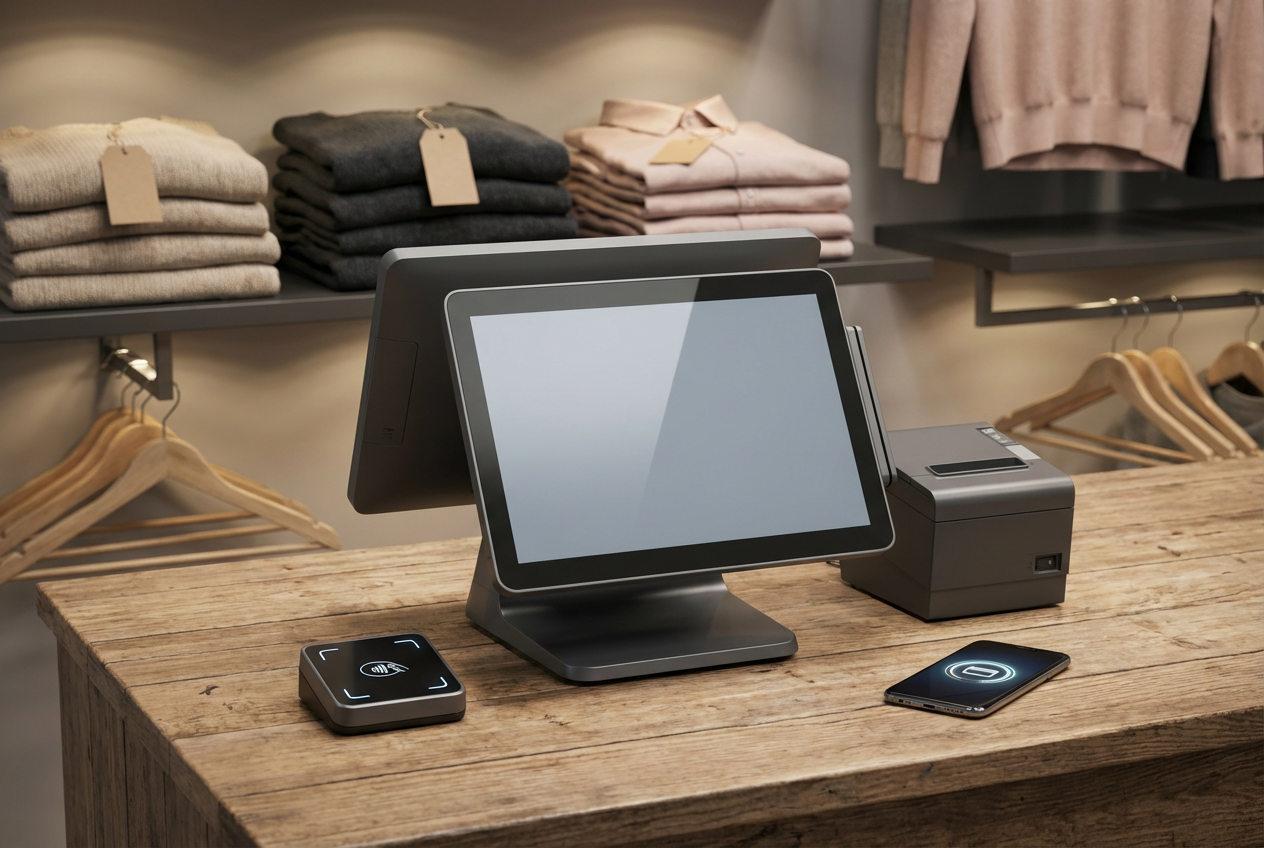
An apparel store POS system handles more than simple checkout tasks. It ties every part of daily work together and keeps the store running on one steady flow. Sales, stock counts, and customer details stay connected so teams can act fast when demand changes.
It links the front counter, the back office, and the online store. Staff can see what is sold, what is left, and what needs attention without switching tools or guessing numbers. This helps avoid delays and mistakes that often happen when systems do not speak to each other.
Apparel retail comes with size runs, color sets, and style groups. A general retail POS often struggles with this depth. An apparel-focused setup sorts these variants cleanly, tracks them in real time, and gives teams the clarity needed to manage fast-moving stock.
Read more: TOP 3 Apparel Store POS System Reviews: ConnectPOS, Lightspeed & Mercaux
Why High-Volume, Multi-Channel Apparel Stores Need a Strong POS
Global fashion keeps growing at a steady pace. According to Statista, the e-commerce fashion industry’s compound annual growth rate is expected to reach 13.3% from 2017 to 2027, with the market hitting about 770.9 billion US dollars in 2024. Under this rise, apparel and accessories stay strong, reaching 134.5 billion US dollars in the US alone. That number could grow to 219.3 billion US dollars by 2029, which shows how quickly demand can shift.
Apparel retailers deal with wide SKU lists that grow each season. Forbes notes that in a study of 46,000 shoppers, 73% used multiple channels to make a purchase. Only 7% bought only online, and 20% stayed only in physical stores, so the same item can move across many sales paths. Also, a single item can come in many colors, fits, and sizes, which turns simple stock checks into daily hurdles. Stores also handle varied payment methods, from cards to wallets, while trying to keep queues short during busy hours.
These demands grow even harder when sales happen across online and physical channels. A strong system connects every touchpoint so data moves fast and stays clean. Staff can trust the numbers on screen because stock updates happen the moment an item sells.
This unified flow helps brands scale without confusion. Teams get faster checkout, cleaner dashboards, and real-time reports that show what sells and where demand grows. McKinsey has found that omnichannel customers shop about 1.7 times more than single-channel shoppers and usually spend more. So, a strong POS that joins channels can help capture that extra value.
The Ultimate Checklist for the Best Apparel Store POS System
The best apparel store pos system gives retailers a clear view of fast-changing stock and customer needs. The right system handles heavy traffic, complex product lines, and cross-channel sales without slowing the team. This checklist highlights what matters most when stores grow across locations and platforms.
Variant-Level Inventory Management
Apparel stock moves in many small steps. A single style can split into size curves, color sets, and seasonal groups, which creates long lists that change each week. A good system sorts these details cleanly so staff can track every item without confusion.
Real-time updates from built-in inventory management software keep teams informed the moment a sale clears. Low-stock alerts help plan restocks before gaps appear on the shelf. This steady control also prevents lost sales, since staff know what is available in each store at any time.
Omnichannel & Multi-Location Synchronization
Many apparel brands sell through websites, social channels, and store counters. A strong POS connects these points so shoppers can move between them without friction. Staff see one shared system instead of scattered tools with mixed numbers.
Centralized dashboards show stock, orders, and customer details in one place. This helps teams fulfill orders from any store when demand shifts. It also cuts the risk of overselling because updates reach every location at the same moment.
Fast Checkout and Flexible Payments
Busy apparel stores depend on quick checkouts. Long lines push shoppers away, especially during sales or weekends. A strong POS cuts extra steps so staff can scan, charge, and hand over items without delay.
Barcode scanning keeps each transaction short and clear. Payment flexibility also matters because shoppers use cards, wallets, gift cards, and BNPL options. When these methods run smoothly, the line moves faster and customers feel cared for.
Read more: How Zara’s Smart Apparel POS System Drives Success in the Fast Fashion Industry
Smart Reporting and Analytics
Apparel trends change fast, so stores need a clear picture of what sells each day. Strong report & analytics tools turn raw numbers into practical guidance. This helps teams see top sellers, slow items, and patterns hidden in large variant lists.
Real-time dashboards show how each size or color performs. Seasonal forecasting then guides buyers on what to stock for the next cycle. Profit tracking also helps managers understand which lines return the most value.
CRM and Loyalty Management
Strong relationships keep shoppers coming back. Apparel buyers often return for new drops, fresh colors, or updated fits. A good POS stores customer details, past purchases, and style notes so staff can serve each shopper with more confidence. An integrated CRM POS keeps these profiles accurate and easy to use at the counter.
Loyalty tools inside the POS support points, rewards, and targeted offers. This helps stores send the right message to the right group and keep customers involved. It also strengthens brand identity since shoppers get the same care online and in person.
Scalability and Multi-Store Growth
Many apparel brands start small and then grow into wider retail chains. A strong POS supports this path without forcing teams to rebuild their setup. Stores can add new outlets while keeping the same system, saving time and preventing messy transitions.
Role-based permissions keep teams organized as the business expands. Managers control what each user can access, while the cloud structure keeps every location connected under one system. This helps avoid confusion when many staff work across stores.
ConnectPOS supports growth for brands that want to scale across regions or move into new formats. Some retailers expand into malls, pop-up stores, or new countries without losing control of stock or sales numbers because everything stays linked in real time.
Integration and Extensibility
Modern apparel retail depends on connected tools. Stores use eCommerce, ERP, accounting, and CRM platforms to manage daily work. A strong POS ties these systems together so updates move cleanly across channels.
This structure supports click-and-collect, returns, and promotions without manual steps. When platforms communicate, staff spend less time fixing errors and more time serving customers. It also keeps online and in-store shoppers on the same page.
Security and Reliability
Retailers handle sensitive payment data every day. A strong POS protects this information through compliance with PCI and EMV standards. This creates a safe checkout process that builds trust with customers.
Cloud backups keep data safe even when devices fail. Reliable uptime also protects sales since stores cannot afford delays during high traffic. Support teams stay available around the clock to guide staff when issues appear.
As a Next-gen POS platform, ConnectPOS follows these standards for apparel stores worldwide. This gives retailers confidence during checkout, stock updates, and daily work. It also keeps shoppers comfortable when paying through any method.
Apparel-Specific Considerations Most Retailers Miss
Apparel stores face small details that often slip through the cracks. These details shape stock flow, shopping habits, and customer trust. A strong system helps teams handle these tasks without adding stress to daily work.
- Style and Collection Tracking: Apparel lines shift each season. A good POS sorts items by drop, trend, or collection so staff can find what they need fast and plan displays with more clarity.
- Returns and Size Swaps: Shoppers often return items for a new size or color. Smooth return and exchange tools help stores handle these moments without slowing the line or confusing stock data.
- Seasonal Markdowns and Aging Stock Alerts: Some items sell fast, while others stay too long. Alerts help teams clear old stock before it loses value, and markdown tools keep pricing clean across sizes and colors.
- Supplier and Purchase Order Control: Apparel stores work with many suppliers. Clear PO tracking helps restocks move faster and prevents missing items during busy sales cycles.
- Mobile POS Support: Mobile tools help staff sell on the floor, check stock, and guide shoppers during rush hours. This keeps customers engaged and shortens waiting time.
When these details stay organized, the entire store runs more smoothly. The right POS supports each step so teams can focus on shoppers, not manual work.
Implementation Checklist Before Going Live
A new POS rollout shapes how smoothly the store performs from day one. Careful preparation helps teams avoid early delays and gives staff the confidence to work at full speed. This checklist guides apparel retailers through the key steps before going live.
- Define Your Channel Plan: Set clear goals for in-store, online, and pop-up sales. This helps the system match your retail flow and supports shoppers across every touchpoint.
- Move Product and Customer Data Cleanly: Accurate data prevents confusion during the first weeks. Correct sizes, colors, and customer histories help staff serve shoppers without guesswork.
- Train Every Team Member: Staff should know how to process sales, check stock, and manage returns. Strong training helps them stay calm during busy periods.
- Test All Tools Before Launch: Check scanners, printers, payment methods, and system speed. A quick test run catches issues early and avoids disruption on opening day.
- Set Up Dashboards and Support Rules: Managers need clear reports during the first cycle. A support plan keeps questions solved fast and prevents delays during peak hours.
A careful launch gives the POS a strong start and builds trust among staff. Once the system runs smoothly, the store can grow with less friction and more control.
Read more: Why Your POS for Apparel and Footwear Stores Needs Advanced Variant Management
ConnectPOS – Advanced POS System Built for Apparel Businesses
ConnectPOS is purpose-built for apparel retailers who manage high-volume sales, multiple outlets, and a fast-changing inventory mix. From boutiques to international chains, it gives fashion businesses the tools to stay organized, sell smarter, and create the steady flow expected from the best apparel store pos system.
All-in-One Cloud POS for Apparel Retail
ConnectPOS combines inventory, sales, and customer management in one system. Powered by microservices, open API, and headless architecture, it adapts to your operations with speed and flexibility. Whether your customers shop online, in-store, or through mobile, every transaction syncs in real time for complete visibility.
Omnichannel and Multi-Store Management
Apparel retailers can view all sales, stock, and customer data in a single dashboard. ConnectPOS enables easy stock transfers between locations, unified reporting, and smooth fulfillment from any store or warehouse. With cloud-based access, your team can manage multiple stores and channels anytime, anywhere.
Smart Inventory Control for Apparel Variants
Fashion businesses juggle thousands of SKUs with different sizes, colors, and collections. ConnectPOS handles these variants effortlessly. It automates stock updates after every sale, sets reorder alerts, and keeps you informed on which items move fastest. You’ll never have to worry about overstocking or missing a top seller again.
Data-Driven Customer Engagement
ConnectPOS goes beyond checkout. As a retail CX Solution, it gathers customer data like purchase history and preferences, turning it into insights for targeted promotions and personalized service. You can reward shoppers with loyalty points, send offers based on buying patterns, and improve engagement across all channels.
Flexible Payments and Faster Checkout
Support for multiple payment options keeps customers happy. ConnectPOS accepts cards, e-wallets, store credits, split payments, and buy-now-pay-later services. Self-Service checkout features and mobile POS options also help reduce waiting time during peak hours.
Real Results from Real Retailers
- Store 1892 (Netherlands): Improved checkout speed and boosted sales by up to 20% after switching to ConnectPOS.
- PayPorte (Nigeria): Unified their online and offline operations, cutting operational costs by 36%.
- JAT Clothing (Mexico): Built a centralized POS system across all channels for accurate reporting and better customer satisfaction.
Built for Long-Term Growth
As your business expands, ConnectPOS scales with you. You can add new stores, connect new systems, and customize workflows without disruptions. With 24/7 global support, you’ll always have expert help from data migration to payment setup.
Ready to run your apparel business smarter? Contact us to see how ConnectPOS can transform your retail operations.
See more articles: Become a ConnectPOS White Label POS
Final Thoughts
Apparel retail moves fast, so the best apparel store pos system keeps every step clear and connected. A strong setup helps teams serve shoppers with confidence, manage stock without stress, and grow across stores and channels. ConnectPOS supports apparel retailers who want stable control, clean data, and a smooth flow from sale to delivery. Its tools help brands stay organized during busy seasons and keep customers engaged across every touchpoint.
Start building a smarter retail system today. Contact us to see how your apparel store can grow with a system built for real retail needs.
FAQs: Best Apparel Store POS System
1. What makes an apparel POS system different from a regular retail POS?
It manages size runs, color sets, and style groups with more accuracy than a general retail setup.
2. How can a POS system handle multiple product variants?
It sorts each variant under one style, updates stock instantly, and keeps counts clean across channels.
3. Why is omnichannel integration important for apparel stores?
It helps stores keep stock, orders, and customer data in one place so shoppers get a smooth experience.
4. What should I check before implementing a new POS system?
Review data accuracy, staff training, device readiness, and system speed during test runs.
5. How does a POS help manage loyalty programs and repeat sales?
It stores customer details, tracks buying habits, and runs targeted promotions that bring shoppers back.
►►► Optimal solution set for businesses: Shopify POS, Magento POS, BigCommerce POS, WooCommerce POS, NetSuite POS, E-Commerce POS