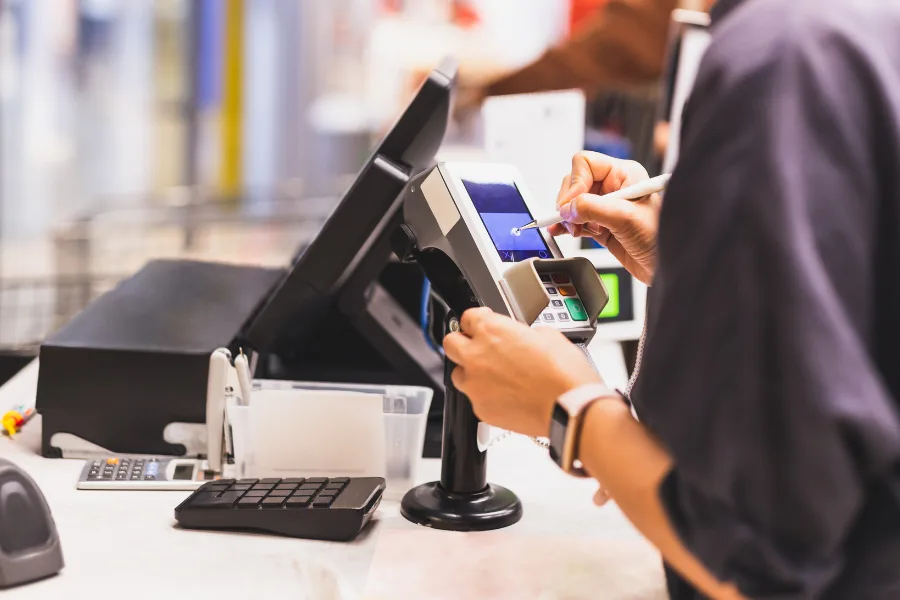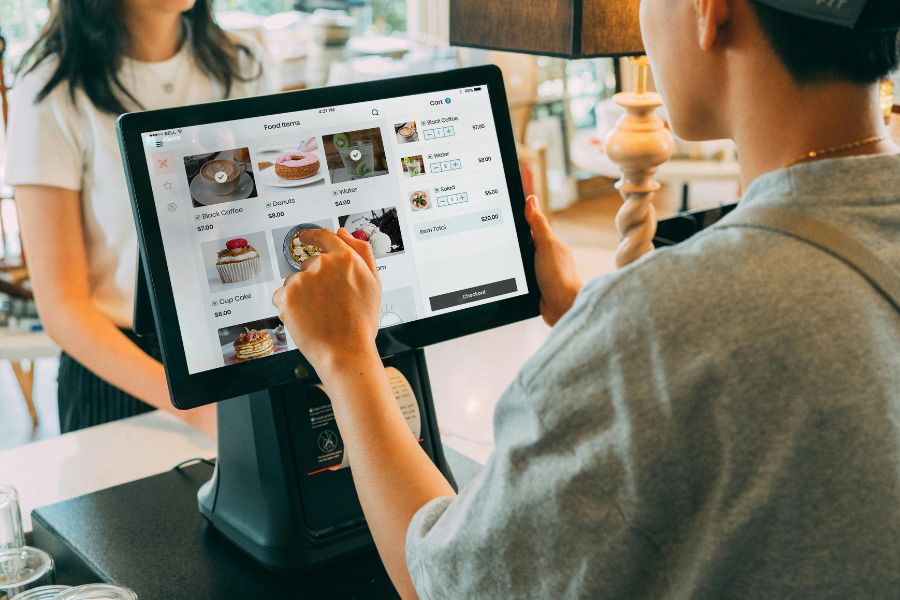
Choosing the right POS system is a key decision for retailers in the US, especially as sales now happen across stores, websites, and mobile channels. An all in one POS system in US brings these touchpoints together by combining checkout, inventory, customer data, and reporting in a single platform. Instead of juggling separate tools, retailers can run daily operations more smoothly and gain clearer insight.
Among many POS providers on the market, some systems focus on simplicity for small stores, while others are built to support complex, multi-location operations. In this article, we highlight five all-in-one POS systems worth considering in the US. Each option on our list stands out for its role in modern retail growth. Let’s check them out!
Highlights
- All-in-one POS systems help US retailers unify sales, inventory, payments, and customer data in a single platform, reducing complexity and improving operational efficiency.
- The five leading all-in-one POS systems in the US – ConnectPOS, Square POS, Lightspeed Retail POS, Shopify POS, and Clover POS – are each designed to support different retail models, business sizes, and growth stages.
- Choosing the right POS requires evaluating business size, industry needs, omnichannel readiness, scalability, and long-term support to ensure sustainable growth.
What Is an All-in-One POS System and Why Do US Retailers Need One?
An all-in-one POS system is a unified retail platform that brings together core operations such as point of sale, inventory management, payments, customer data, and reporting in one place. Instead of relying on separate tools for checkout, stock tracking, and customer engagement, retailers manage everything through a single system. This creates a more consistent flow of data across online and in-store channels, reducing manual work.
Many US retailers are moving away from fragmented tools because disconnected systems often lead to errors, data gaps, and higher operating costs. Managing multiple vendors also makes it harder to scale or introduce new sales channels, such as e-commerce, BOPIS, or self-service. A centralized POS platform helps retailers respond faster to changing customer expectations and business demands.
For single-store businesses, an all-in-one POS improves daily efficiency by simplifying checkout, inventory updates, and reporting. For multi-store retailers, it supports centralized control, real-time stock visibility, and consistent customer experiences across locations. Most importantly, these systems are designed for omnichannel readiness, allowing retailers to grow without constantly replacing or reworking their technology stack.
Key Features to Look for in an All in One POS System in US
Choosing the right all in one POS system in the US goes beyond basic checkout features. The best platforms are built to support daily operations, future growth, and changing customer behaviors. Below are the key features US retailers should look for when evaluating an all-in-one POS solution.
- Cloud-based architecture with online/offline capability
A cloud POS allows real-time data access across stores, devices, and teams. Offline mode POS is essential to keep sales running during internet outages, with automatic syncing once the connection is restored.
- Inventory and multi-location stock management
Centralized inventory helps track stock levels across stores, warehouses, and online channels. This reduces overselling, improves replenishment, and supports transfers between locations.
- Integrated payments and flexible hardware support
Built-in payment processing simplifies reconciliation and speeds up checkout. Hardware flexibility lets retailers use tablets, kiosks, or traditional terminals without being locked into one setup.
- Omnichannel selling capabilities
A robust POS supports in-store sales, online orders, and curbside pickup, ensuring consistent pricing, promotions, and inventory visibility.
- Reporting, customer data, and automation tools
Real-time reports and customer profiles help retailers understand sales trends and shopper behavior. Automation reduces manual tasks such as price updates or promotions.
- Scalability for long-term growth
The system should handle more products, locations, and transactions without performance issues, supporting growth without major system changes.
Read More: Zara Case Study: How It Achieved New Revenue Record With Next Gen POS System
Our Top 5 All-in-One POS Systems in the US
Selecting the right POS system depends on how well it can support both current operations and future expansion. Below is the first pick on our list, designed for retailers that need flexibility, performance, and true omnichannel capabilities at scale.
1. ConnectPOS – A Modern All-in-One POS Ecosystem for Omnichannel Retail
ConnectPOS is a next-generation cloud-based all in one POS system in US built to support complex retail environments. It goes beyond basic checkout by delivering a full commerce ecosystem that connects in-store, online, and back-office operations in real time.
- Modern architecture
Built with an API-first, microservice, and headless design, ConnectPOS gives retailers the freedom to customize workflows, build tailored front-end experiences, and integrate with existing systems. This architecture supports ongoing changes without requiring major system overhauls, making it easier to adapt to new business models or technologies.
- Reliable real-time synchronization
ConnectPOS ensures smooth online and offline operations, allowing stores to continue selling during internet disruptions. Once connectivity is restored, data syncs automatically across stores, warehouses, and central systems, keeping inventory and sales records accurate.
- Advanced inventory capabilities
With multi-source inventory (MSI), retailers can track stock across multiple locations, warehouses, and fulfillment points in real time. This supports high-SKU catalogs, complex supply chains, and omnichannel fulfillment strategies.
- Support for self-service and mobile selling
The platform works across traditional POS, kiosks, tablets, and mobile devices, helping retailers reduce queues, increase checkout flexibility, and improve in-store experiences.
- Customer engagement and automation
Built-in consumer apps, loyalty programs, personalized offers, and automation workflows help retailers drive repeat purchases and operational efficiency.
- Extensive platform integrations
The solution integrates smoothly with Shopify, Magento, BigCommerce, WooCommerce, NetSuite, Commercetools, and standalone retail setups.
Best fit: Growing and enterprise-level retailers with multi-store, omnichannel requirements.
2. Square POS – A Popular All-in-One POS for Small and Growing Businesses
Square POS is widely known for its simplicity and quick setup, making it a common starting point for small retailers and service-based businesses in the US. It offers essential POS features in a single platform, allowing businesses to start accepting payments and managing daily operations with minimal technical effort.
- Simple setup with built-in payments: Square combines POS software and payment processing into a single system, reducing the need for third-party providers and enabling fast deployment.
- Core retail management tools: The platform includes inventory tracking, employee management, and basic customer profiles, helping small teams manage sales and staff efficiently.
- Designed for small business ecosystems: Square supports a wide range of add-ons and integrations tailored for small retail, food service, and appointment-based businesses.
Square POS prioritizes ease of use over advanced customization, making it well-suited for businesses with straightforward operational needs. While it may be limited for complex omnichannel or multi-store environments, it provides a reliable foundation for getting started.
Best fit: Startups and small retailers that value affordability, fast setup, and simple daily operations.
3. Lightspeed Retail POS – Advanced Inventory and Analytics for Multi-Store Retail
Lightspeed Retail POS is built for established retailers that need deeper control over inventory and data across multiple locations. It focuses on operational visibility and analytics, making it a strong option for businesses managing large product catalogs and supplier networks.
- Robust inventory and supplier management: Lightspeed provides detailed inventory tracking, including support for variants, purchase orders, and supplier management. This helps retailers manage stock replenishment and reduce inventory errors across locations.
- Advanced reporting and analytics: The platform provides in-depth sales reports, performance insights, and trend analysis, supporting data-driven decisions for pricing, purchasing, and merchandising.
- Omnichannel selling capabilities: Lightspeed includes eCommerce integration that connects in-store and online sales, helping retailers maintain consistent inventory and customer experiences across channels.
While Lightspeed offers strong inventory and reporting features, its setup and pricing may be better suited to businesses with dedicated operational teams. It is designed to support growth but works best for retailers with defined processes and scale.
Best fit: Established multi-store retailers with large catalogs and a need for advanced inventory control and analytics.
4. Shopify POS – Unified POS for Online-First Retailers
Shopify POS is designed for retailers that started online and are expanding into physical retail. It extends the Shopify ecosystem into brick-and-mortar stores, allowing businesses to manage online and in-store sales through a single platform.
- Native connection with Shopify eCommerce: Shopify POS syncs directly with Shopify online stores, keeping products, pricing, and promotions consistent across channels without extra integrations.
- Centralized inventory and order management: Retailers can track inventory, orders, and customer data in one system, helping prevent overselling and improve fulfillment accuracy.
- Omnichannel fulfillment tools: Features such as buy online, pick up in store (BOPIS) and ship-from-store allow retailers to fulfill orders more flexibly while improving customer convenience.
Shopify POS is easy to adopt for existing Shopify users and works well for straightforward retail setups. However, customization and advanced in-store workflows may be limited compared to more specialized POS platforms.
Best fit: Retailers already running on Shopify eCommerce who want a unified, familiar POS for both online and physical stores.
5. Clover POS – Hardware-Centric All-in-One POS for Retail and Service
Clover POS is an all in one POS system in US, which is known for its bundled approach, combining POS software with purpose-built hardware. It is designed for merchants who prefer an out-of-the-box solution that includes devices, payments, and core business tools in one package.
- All-in-one POS hardware: Clover offers a range of countertop and mobile POS devices with built-in displays, receipt printers, and card readers, reducing the need for third-party hardware.
- Integrated payments and app marketplace: Payment processing is built into the system, while the Clover App Market lets merchants add features like inventory tools, loyalty programs, and employee management.
- Versatile use across industries: The platform supports retail, food service, and service-based businesses, making it suitable for merchants with simple to moderate operational needs.
Clover POS emphasizes convenience and quick setup over deep customization. While it may be less flexible for complex omnichannel operations, it works well for businesses that value a bundled, hardware-first solution.
Best fit: Merchants looking for an all-in-one package with preconfigured hardware and integrated software.
How to Choose the Best All-in-One POS System for Your US Business?
Selecting the right all in one POS system in US requires more than comparing feature lists. The best choice depends on how well the platform aligns with your current operations and supports long-term business goals. US retailers should evaluate both immediate needs and future growth plans before making a decision.
- Match capabilities with business size and industry: Small retailers may prioritize ease of use and affordability, while multi-store or industry-specific businesses often need advanced inventory, reporting, or fulfillment features.
- Plan for omnichannel and expansion: Choose a POS that supports in-store, online, and pickup options. This ensures your system can grow as you add locations or sales channels.
- Review customization, integrations, and costs: Consider how easily the POS integrates with eCommerce POS platforms, accounting tools, or third-party systems. Look beyond subscription fees to understand the total cost of ownership.
- Assess support and implementation services: Reliable onboarding, training, and ongoing support are essential to minimize disruptions and ensure long-term success.
A well-chosen POS system becomes a foundation for efficient operations and sustainable retail growth.
In Conclusion
Choosing the right all-in-one POS system is a strategic decision for your retail business to operate and grow in the US market. The platforms on this list each serve different business needs, from simple setups for small retailers to advanced systems for multi-store operations. What matters most is selecting a solution that aligns with your current challenges while supporting future expansion.
For retailers looking for a modern, flexible, and scalable POS ecosystem, ConnectPOS stands out with its real-time synchronization, advanced inventory capabilities, and API-first architecture designed for complex retail environments. If you are planning to unify online and in-store operations or prepare for long-term growth, now is the right time to take the next step.
Contact ConnectPOS today to explore how a next-generation all in one POS system in US can support your omnichannel strategy and help your business scale with confidence.
FAQs
What makes a POS system truly “all-in-one”?
A truly all-in-one POS combines core retail functions such as checkout, inventory management, payments, customer data, and reporting in a single platform. It allows data to flow seamlessly across in-store and online channels without relying on disconnected third-party tools.
Can an all-in-one POS handle multiple stores and warehouses?
Yes. Many modern all-in-one POS systems are designed to support multiple store locations and warehouses. They provide centralized control, real-time inventory visibility, and the ability to manage stock transfers and fulfillment across locations.
Do these POS systems work offline?
Most cloud-based POS systems offer offline capabilities. This allows retailers to continue processing sales during internet disruptions, with data syncing automatically once the connection is restored.
Which POS system is best for omnichannel retail?
The best omnichannel POS unifies in-store and online sales, inventory, and customer data in real time. Platforms built with modern, flexible architectures are better suited to support complex omnichannel workflows.
Is an all-in-one POS suitable for enterprise-level retailers?
Yes. Many all-in-one POS systems are built to scale. Enterprise-level retailers benefit from features such as advanced inventory management, automation, integrations, and support for high transaction volumes and large product catalogs.
►►► Optimal solution set for businesses: Shopify POS, Magento POS, BigCommerce POS, WooCommerce POS, NetSuite POS, E-Commerce POS