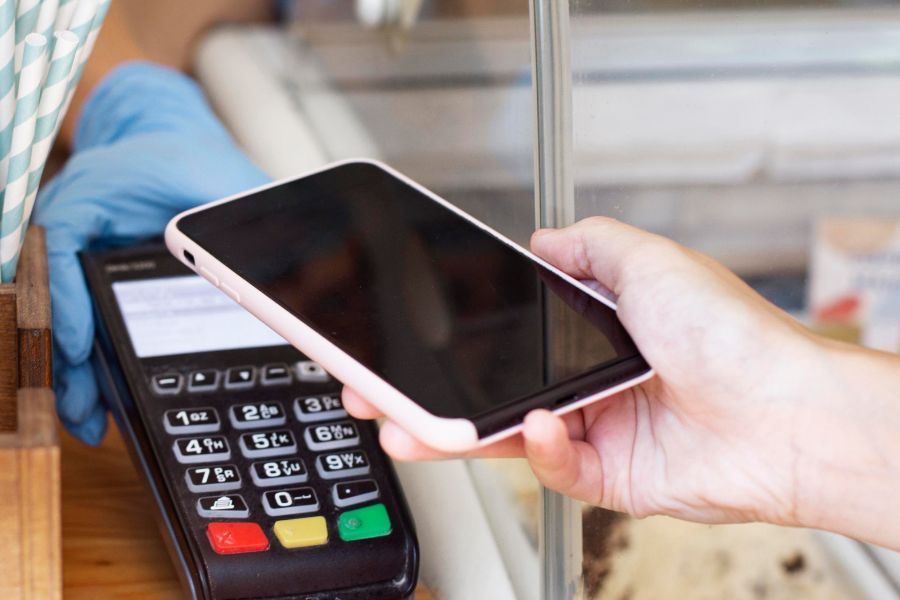
A Point of Sale (POS) system is the place where sales happen — the technology that allows businesses to complete customer transactions, process payments, and manage sales data in real time. Modern POS systems go far beyond simple cash registers; they integrate hardware and software to handle everything from inventory management and customer insights to employee tracking and sales reporting.
Whether in retail stores, restaurants, or eCommerce businesses, a POS system acts as the central hub of operations — connecting your front-end checkout with your back-end management. With cloud-based and mobile options now widely available, today’s POS systems empower businesses to sell anywhere, anytime, with accuracy and efficiency.
What is a Point Of Sale system?
A Point of Sale (POS) system is the combination of hardware and software that enables businesses to complete sales transactions and manage day-to-day operations efficiently. It’s the place where a customer makes a payment for products or services — whether in a physical store, online, or through a mobile device.
Modern POS systems do far more than process payments. They help track inventory, manage customer data, analyze sales performance, and even integrate with accounting or eCommerce POS platforms. Essentially, a POS acts as the nerve center of your business operations, connecting sales, inventory, and customer management in one streamlined system.
There are several types of POS systems available today, including traditional, mobile, and cloud-based POS, each designed to meet the needs of different industries such as retail, restaurants, and service businesses. By adopting a modern POS solution, businesses can improve speed, accuracy, and customer satisfaction — while gaining valuable insights to drive smarter decisions.
Different types of POS
Traditional POS Systems (On-Premise POS)
These are the classic POS systems that operate locally on installed hardware, often found in established retail stores and restaurants.
- How it works: Software is installed directly on the terminal or server within the store.
- Pros:
- Reliable even without internet access.
- Data stored locally for enhanced security.
- Suitable for high-volume operations.
- Cons:
- Requires manual updates and maintenance.
- Higher upfront hardware and installation costs.
Best for: Large retail stores, restaurants, or businesses that prefer on-site data storage.
Cloud-Based POS Systems
Cloud POS systems are hosted online and can be accessed from any device with an internet connection. They are becoming the most popular choice for modern businesses.
- How it works: Data is stored in the cloud and updated in real-time.
- Pros:
- Access your business data anytime, anywhere.
- Automatic updates and backups.
- Lower upfront cost, subscription-based pricing.
- Cons:
- Requires a stable internet connection.
- Data security depends on the provider’s cloud protection.
Best for: Small and medium-sized businesses, multi-location retailers, and mobile sellers.
Mobile POS Systems (mPOS)
Mobile POS systems use tablets or smartphones as checkout devices, often connected to portable card readers.
- How it works: Transactions are processed through an app or cloud-based platform.
- Pros:
- Highly portable and flexible.
- Great for line-busting, events, and outdoor sales.
- Minimal setup and cost.
- Cons:
- Limited features compared to full POS systems.
- Dependent on internet connectivity and mobile hardware.
Best for: Pop-up shops, food trucks, market stalls, and mobile service providers.
Self-Service POS Systems (Kiosk POS)
Self-service POS allows customers to place orders and make payments independently via a kiosk or touchscreen.
- How it works: Customers interact directly with the system to browse, order, and pay.
- Pros:
- Reduces waiting times and labor costs.
- Improves customer experience and order accuracy.
- Ideal for upselling through visual menus.
- Cons:
- High initial setup costs.
- Requires regular maintenance and technical support.
Best for: Quick-service restaurants (QSRs), cinemas, and supermarkets.
Multichannel / Omnichannel POS Systems
These systems integrate online and offline sales channels into one unified platform, allowing businesses to manage both physical stores and eCommerce sites seamlessly.
- How it works: Syncs sales, inventory, and customer data across multiple platforms.
- Pros:
- Provides a unified view of inventory and customer behavior.
- Enables smooth cross-channel experiences like “buy online, pick up in-store.”
- Supports real-time analytics across all locations.
- Cons:
- Can be complex to set up.
- Higher software costs.
Best for: Retailers running both eCommerce and brick-and-mortar operations (e.g., Shopify POS, Magento POS, or WooCommerce POS stores).
Hybrid POS Systems
Hybrid systems combine on-premise reliability with cloud flexibility — allowing data to be stored locally while syncing with the cloud when online.
- Pros:
- Works offline and syncs automatically once connected.
- Offers flexibility and security.
- Cons:
- More expensive than single-system setups.
Best for: Restaurants, hotels, and large retailers needing both performance and accessibility.
Example: ConnectPOS – A Leading Cloud-Based & Omnichannel POS
ConnectPOS is an advanced cloud-based POS designed for omnichannel businesses.
- Works seamlessly with platforms like Shopify, Magento, and WooCommerce.
- Offers real-time inventory synchronization, multi-store management, and offline functionality.
- Ideal for businesses looking to unify their online and in-store operations under one system.
Contact ConnectPOS today to learn how to streamline your retail operations and enhance your POS performance:
Why Do You Need a POS?
A Point of Sale (POS) system is far more than just a cash register — it’s the central hub of your business operations. Whether you run a retail store, café, salon, or eCommerce business, a POS helps you process sales, manage inventory, track customers, and analyze performance in real time. Below is a detailed breakdown of why you need a POS system and how it can transform your business.
Streamline Sales and Payment Processing
At its core, a POS system allows you to complete sales transactions quickly and accurately.
- It accepts multiple payment methods, including cash, credit/debit cards, mobile wallets, and QR codes, which enhances customer convenience.
- Most modern POS systems automatically calculate totals, taxes, and discounts, minimizing human error and speeding up checkout times.
- For online businesses, integrated POS systems ensure consistent pricing and promotions across channels.
Example: In a busy retail store, a cloud-based POS like ConnectPOS enables staff to handle long queues efficiently with mobile checkout options, improving both sales volume and customer satisfaction.
Real-Time Inventory Management
Manual inventory tracking is time-consuming and error-prone. A POS system provides automated inventory tracking that updates in real time after every sale.
- You’ll always know which products are selling fast and when to reorder.
- Advanced POS systems even send low-stock alerts and generate purchase orders automatically.
- For multi-store or omnichannel businesses, it synchronizes stock across physical stores and online platforms like Shopify or Magento.
Example: A clothing retailer using ConnectPOS can track stock levels across all locations, ensuring accurate data for both in-store and online customers.
Gain Actionable Business Insights
A modern POS system does more than record transactions — it provides valuable analytics and reports.
- You can monitor daily sales trends, top-performing products, and employee performance.
- Custom dashboards help identify peak hours, customer preferences, and profit margins.
- Data-driven insights make it easier to plan promotions, forecast demand, and reduce waste.
Example: ConnectPOS offers visual analytics dashboards that help store owners analyze sales trends and plan marketing strategies effectively.
Enhance Customer Experience
Customers today expect personalized, seamless shopping experiences. A POS system helps deliver that by storing and managing customer profiles, purchase history, and loyalty points.
- Staff can recommend products based on past purchases.
- Loyalty programs and discounts can be applied automatically.
- Receipts can be emailed, printed, or sent via SMS for convenience.
Example: Using ConnectPOS, retailers can recognize returning customers and reward loyalty through built-in CRM and loyalty program features.
Enable Omnichannel Retail
Modern shoppers move fluidly between online and offline channels. A POS system that integrates with eCommerce allows businesses to offer unified experiences such as:
- Buy Online, Pick Up In-Store (BOPIS).
- Buy In-Store, Ship to Home.
- Unified inventory and pricing across channels.
Example: ConnectPOS syncs real-time data between physical stores and eCommerce platforms like Shopify, WooCommerce, and Magento, ensuring consistent operations everywhere.
Improve Accuracy and Reduce Loss
By digitizing transactions and inventory tracking, POS systems minimize human errors and theft risks.
- Cash discrepancies and manual miscounts become rare.
- Advanced systems log all user activities, providing transparent transaction records.
- Reports help identify patterns of shrinkage or fraud.
Example: Retailers using ConnectPOS can track staff activities and sales logs, improving accountability and reducing cash handling risks.
Simplify Employee Management
Many POS systems include employee management tools such as:
- Clock-in/out tracking.
- Role-based permissions (cashier, manager, admin).
- Performance tracking and commission reports.
Example: With ConnectPOS, managers can assign staff roles, monitor productivity, and access individual sales reports to reward top performers.
Support Business Growth and Scalability
A good POS system grows with your business.
- You can add new locations, users, or devices without rebuilding your system.
- Cloud-based POS systems support remote access, enabling business owners to manage operations anywhere.
- Integrations with accounting, CRM, or ERP software further streamline growth.
Example: ConnectPOS provides scalable solutions that fit businesses of all sizes — from small boutiques to enterprise-level retail chains.
Offline Functionality for Business Continuity
Even if your internet goes down, your business doesn’t have to stop.
- Many POS systems, especially hybrid POS like ConnectPOS, allow you to continue processing sales offline and sync data automatically once reconnected.
Example: Restaurants and retail stores using ConnectPOS can continue serving customers smoothly even during temporary internet outages.
Integrations with Third-Party Tools
A modern POS system integrates with:
- Ecommerce platforms (Shopify, Magento, WooCommerce).
- Payment gateways (PayPal, Stripe, Square).
- Accounting systems (QuickBooks, Xero).
- Marketing tools (Mailchimp, HubSpot).
Example: ConnectPOS offers extensive integrations with major retail software ecosystems, providing a connected and efficient workflow.
Conclusion
In today’s fast-paced retail and service environments, having a reliable Point of Sale (POS) system is no longer a luxury — it’s a necessity. Beyond processing transactions, modern POS solutions serve as the backbone of your business, streamlining sales, managing inventory, enhancing customer relationships, and offering valuable insights to fuel growth.
Whether you’re a small boutique or a multi-location enterprise, the right POS system helps unify your online and offline operations, ensures accuracy, and improves overall efficiency.
If you’re ready to upgrade your retail management experience, ConnectPOS is a powerful choice. It offers real-time synchronization, offline functionality, deep eCommerce integrations, and flexible customization options — everything you need to run a seamless omnichannel business.
►►► Optimal solution set for businesses: Shopify POS, Magento POS, BigCommerce POS, WooCommerce POS, NetSuite POS, E-Commerce POS