Personalization has become an important part of creating better in-store shopping experiences. Customers expect retailers to understand their preferences and provide relevant recommendations, offers, and service rather than treating every shopper the same. The right Shopify POS features can make this easier by bringing customer profiles, purchase history, and sales data together at the point of sale. In this article, ConnectPOS explores the key features retailers can use to personalize customer interactions, strengthen relationships, and encourage repeat purchases.
Highlights
- Unified customer profiles consolidate purchase data across all sales channels to give staff immediate context during checkout.
- Integrated loyalty programs reward repeat buyers automatically based on their specific spending habits and past product preferences.
- Targeted discount capabilities allow retailers to create custom pricing structures for specific VIP shopper segments.
The Role of Shopify POS Features in Modern Retail Personalization
Retail personalization requires accurate data collection and immediate data accessibility. Cashiers need instant access to customer histories. They cannot waste time searching through multiple unlinked databases. A unified system solves this exact problem.
According to a detailed report by McKinsey, 71% of consumers expect companies to deliver personalized interactions. Shoppers become frustrated when brands treat them like strangers. They expect staff to know their past purchases. They also expect relevant product recommendations.
Shopify POS features bridge the gap between online and offline retail. The system tracks a customer who browses online and buys in-store. This data synchronization gives retailers a complete picture of shopping habits. You can then tailor your marketing efforts accordingly.
A personalized approach directly increases average order value. Customers buy more when presented with items they actually want. Retailers reduce wasted inventory by stocking preferred items. The entire sales process becomes highly targeted and highly profitable.
Vital Shopify POS Features to Maximize Personalization for Your Customers
Personalized shopping experiences are becoming essential for retailers looking to build stronger customer relationships and increase sales. The right Shopify POS features can unify customer data, deliver targeted pricing and loyalty rewards, and empower staff to provide more relevant recommendations at every touchpoint.
Unified Customer Profiles and Purchase History
Disjointed customer data creates terrible shopping experiences. A buyer might spend thousands online but remain unrecognized in your physical store. This lack of context prevents staff from offering appropriate service. Retailers lose valuable upselling opportunities due to missing information. Among the most valuable Shopify POS features, unified customer profiles help bridge this gap by connecting online and in-store customer data.
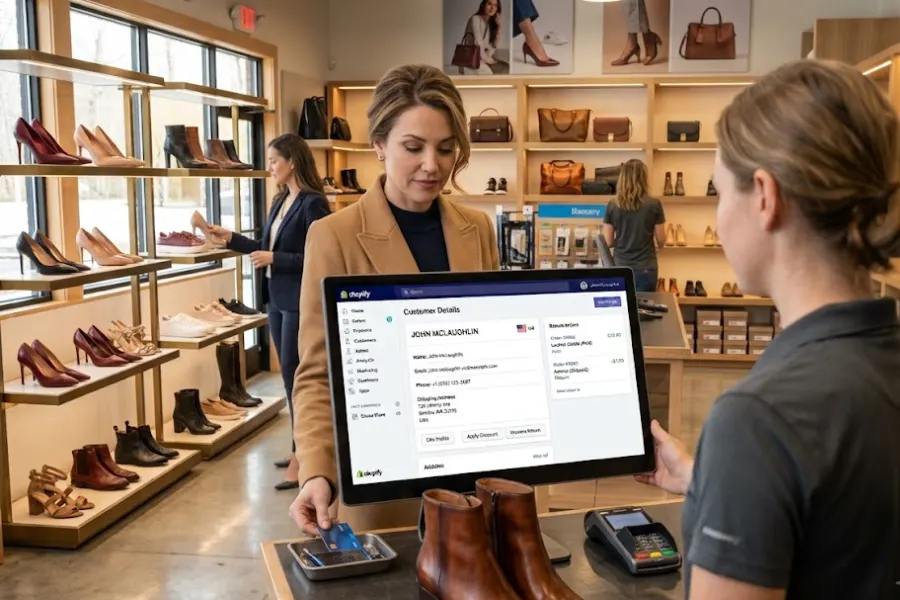
The unified profile feature solves this problem instantly. The system creates a single digital file for every shopper. This file updates automatically after every transaction. Cashiers can view this complete history directly on the checkout screen.
Staff members see exactly what the customer bought last month. They also see the specific sizes and color preferences. This instant knowledge allows cashiers to strike up relevant conversations. They can ask about the performance of a previously purchased item.
This specific shopify pos feature builds immediate trust. The customer feels recognized and valued by the brand. Staff members can confidently suggest matching accessories for past purchases. This personalized touch routinely leads to additional unplanned sales.
Targeted Discounts and Custom Pricing
Blanket sales often reduce profit margins unnecessarily. Offering a storewide discount treats every customer exactly the same. This approach ignores the varying value of different shopper segments. Retailers need a way to reward specific customer groups strategically.
The custom pricing feature allows for highly targeted promotions. Store managers can create specific discount rules within the system dashboard. These rules apply automatically when a qualifying customer profile is selected. Cashiers do not need to memorize complex discount codes.
You can set up a permanent ten percent discount for local students. You can create a special pricing tier for wholesale buyers. The system calculates the correct final price instantly. This prevents manual calculation errors at the checkout counter.
Targeted discounts make specific customer groups feel special. They appreciate the personalized financial benefit provided by your store. This strategy encourages word-of-mouth marketing within those specific communities. Your store gains new customers without spending extra advertising dollars.
Smooth Omnichannel Loyalty Program Integration
Traditional paper punch cards offer zero personalization. They simply track visit frequency without gathering any meaningful data. As part of the core Shopify POS features for customer engagement, integrated loyalty programs allow retailers to track customer value and buying behavior across both digital and physical storefronts.
Research from Salesforce indicates that 73% of customers expect businesses to understand their unique needs. A connected loyalty program meets this exact expectation. The system tracks points across both digital and physical storefronts.
Customers earn rewards regardless of how they choose to shop. The point of sale interface displays the exact reward balance during checkout. Cashiers can proactively inform shoppers about available discounts. They can apply these rewards with a single screen tap.
This smooth integration keeps customers actively engaged with your brand. They return to your store to redeem their accumulated points. Retailers can also analyze this loyalty data to identify top spenders. You can then invite these VIPs to exclusive in-store events.
Clienteling and Personalized Staff Recommendations
Generic product suggestions often annoy busy shoppers. A cashier suggesting a random promotional item feels pushy and inauthentic. Staff members need context to make genuinely helpful recommendations. They need a tool that acts as a digital sales assistant.
Clienteling features turn basic cashiers into knowledgeable retail consultants. The system analyzes the current cart contents and past purchase history. It then generates automatic product recommendations on the staff-facing screen. The cashier simply relays these targeted suggestions to the buyer.
A customer buying a high-end leather bag needs specific care products. The system prompts the cashier to suggest the appropriate leather conditioner. The cashier explains how the conditioner protects the specific bag material. The recommendation feels entirely natural and helpful.
This personalized approach elevates the entire customer service experience. Shoppers appreciate staff members who anticipate their specific needs. The store benefits from a higher volume of accessory sales. The brand reputation improves through these positive daily interactions.
When Shopify POS Needs a Stronger Operational Foundation
Shopify POS covers the essentials well, but as stores grow across locations and channels, some retailers find they need deeper control over inventory, customer data, and checkout workflows. That is where a dedicated POS layer built on top of Shopify can close the gap. ConnectPOS is one option worth evaluating, offering an omnichannel retail solution that integrates with your existing Shopify setup and scales alongside your operations.
- Real-time data synchronization: ConnectPOS keeps inventory, customer, and sales data synchronized instantly across all connected sales channels. This helps retailers maintain accurate information and provide a consistent shopping experience across online and physical stores.
- Customizable loyalty programs: Retailers can create flexible loyalty programs with different reward tiers based on customer spending habits, purchase frequency, and preferences. This allows businesses to provide more relevant rewards and encourage repeat purchases.
- Multi-store management: ConnectPOS enables retailers to manage inventory, customer profiles, and sales operations across multiple physical locations from a centralized system. Managers can monitor store performance and stock levels without switching between separate platforms.
- Offline mode capability: The system continues processing transactions even when the internet connection is temporarily unavailable. Once the connection is restored, transaction data can be synchronized back to the central system, helping stores maintain uninterrupted operations.
- Detailed reporting analytics: Store owners can generate customized reports covering sales performance, product trends, and daily transactions. These insights help managers identify best-selling products, monitor store performance, and make more informed business decisions.
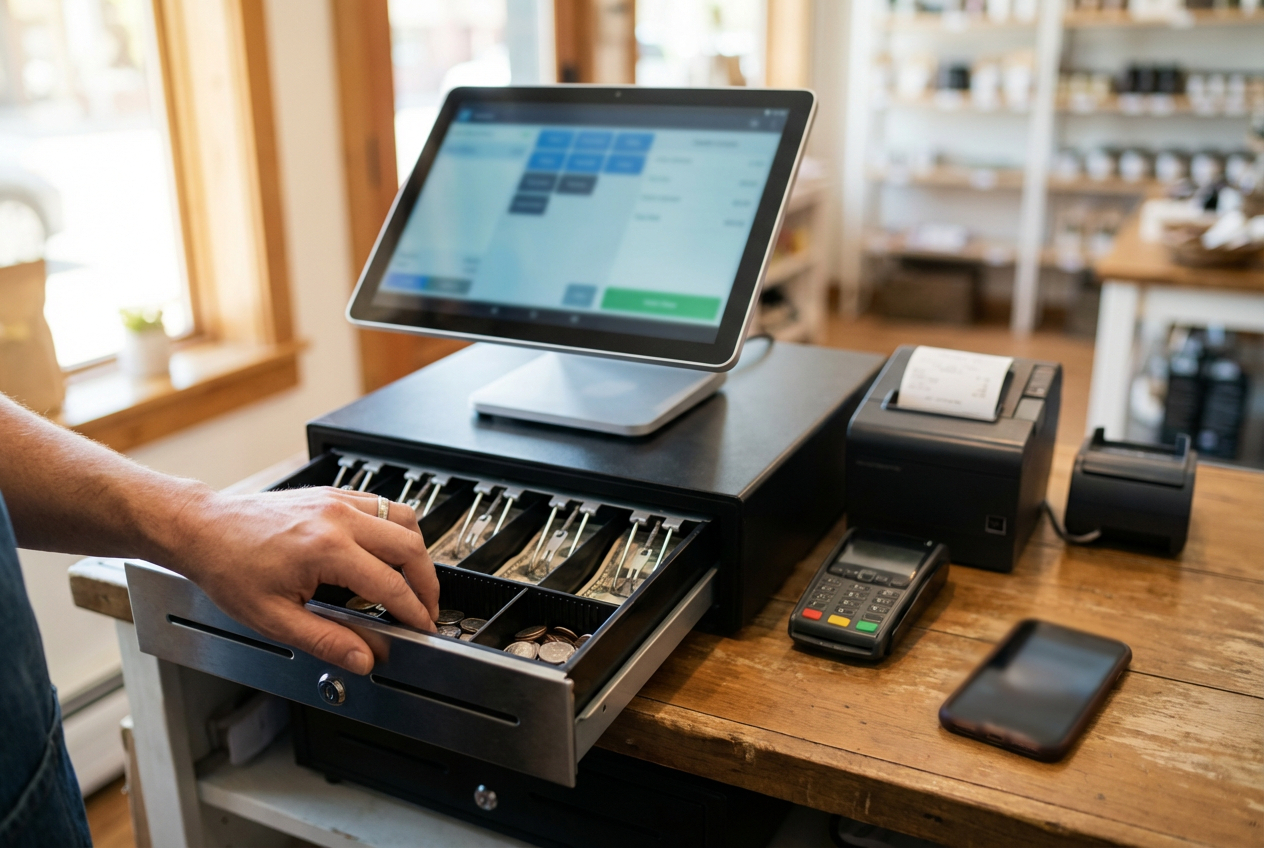
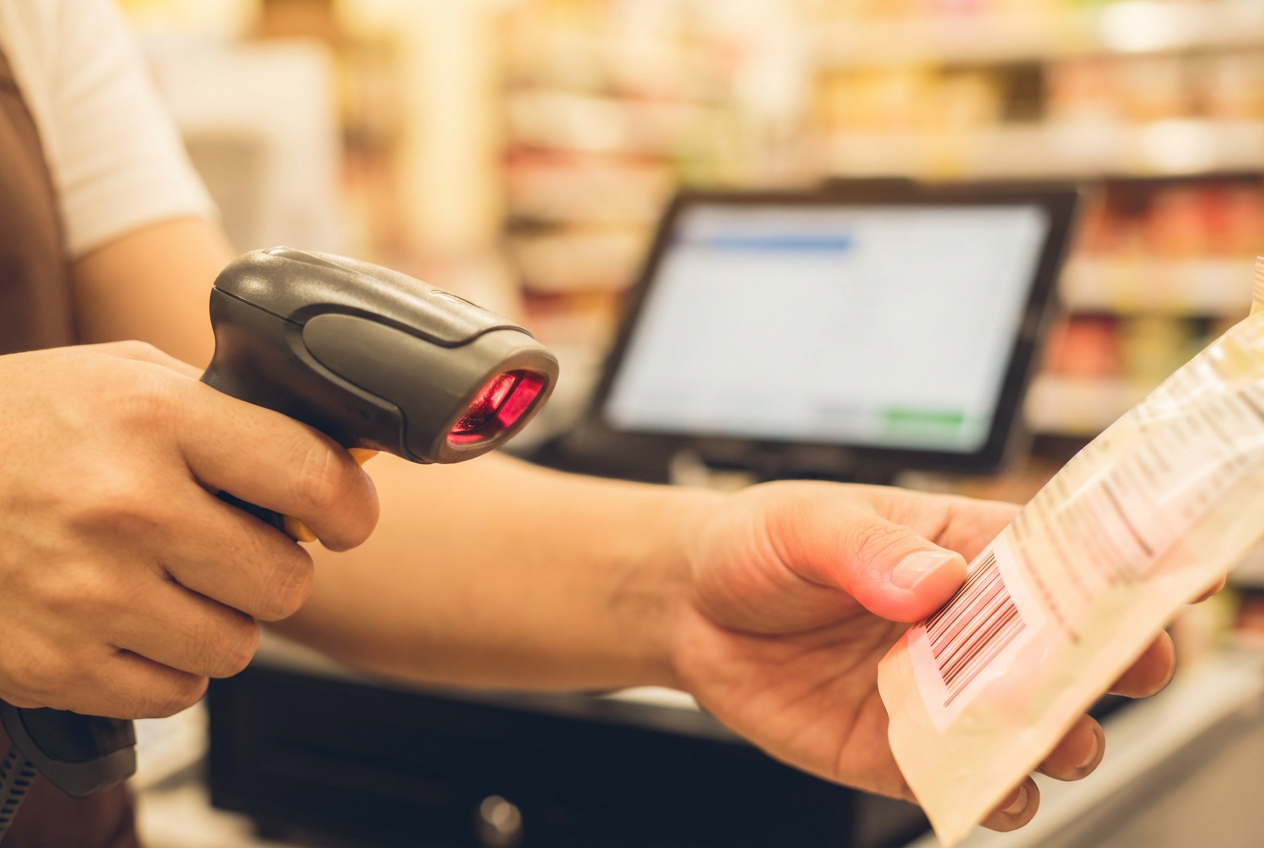
- Hardware compatibility: ConnectPOS works with commonly used retail hardware, including barcode scanners, cash drawers, receipt printers, and other POS peripherals. This compatibility allows retailers to integrate the system with existing equipment instead of replacing their entire checkout setup.
- Self-checkout kiosks: Self-checkout functionality allows customers to scan products, review their orders, and complete payments independently. This can reduce checkout queues and help stores manage higher customer volumes during peak shopping periods.
- Mobile point of sale: Staff can use tablets or smartphones to complete transactions directly on the sales floor. This makes it easier to assist customers, check product information, and process purchases without requiring shoppers to wait at a fixed checkout counter.
- ConnectPOS AI for personalization: ConnectPOS AI uses customer and sales data to generate actionable insights and help retailers better understand shopping patterns. Businesses can use these insights to deliver more relevant product recommendations, offers, and customer experiences while making data-driven decisions.
FAQs: Shopify POS Features
1. What are the most popular Shopify POS features for small businesses?
Small businesses heavily rely on inventory synchronization and unified customer profiles. These tools prevent accidental overselling and improve daily customer service. The mobile checkout capability is also highly popular for reducing store queues.
2. How do Shopify POS features improve customer retention rates?
These tools allow retailers to track individual buying habits accurately. Store owners use this data to send highly targeted marketing emails. Personalized communication keeps the brand relevant and encourages repeat physical store visits.
3. Can I customize POS features for my specific store layout?
Yes, you can customize the smart grid interface on your checkout tablets. Managers can arrange product tiles and specific discount buttons for fast access. This customization speeds up the checkout process for your cashiers.
Conclusion
Personalization is no longer just a way to improve the shopping experience – it can also help retailers build stronger customer relationships and encourage repeat purchases. With the right Shopify POS features, businesses can turn customer data into more relevant recommendations, offers, and in-store interactions.
When the right tools are in place, retailers can create a more consistent and engaging experience at every stage of the customer journey. If you’re exploring how to bring these capabilities together across your channels, chat with us and we’ll help you figure out what fits your setup.
Chat with our team►►► Optimal solution set for businesses: Shopify POS, Magento POS, BigCommerce POS, WooCommerce POS, NetSuite POS, E-Commerce POS