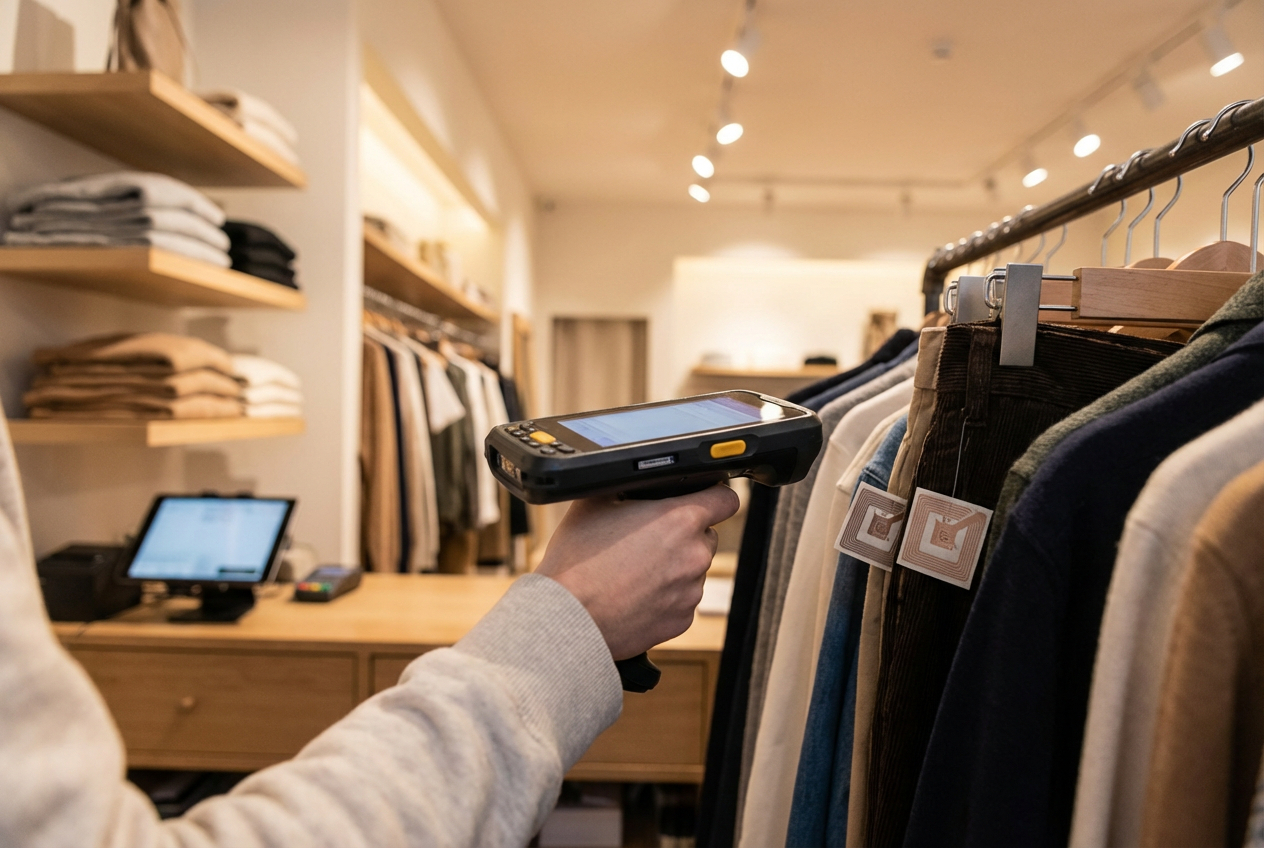
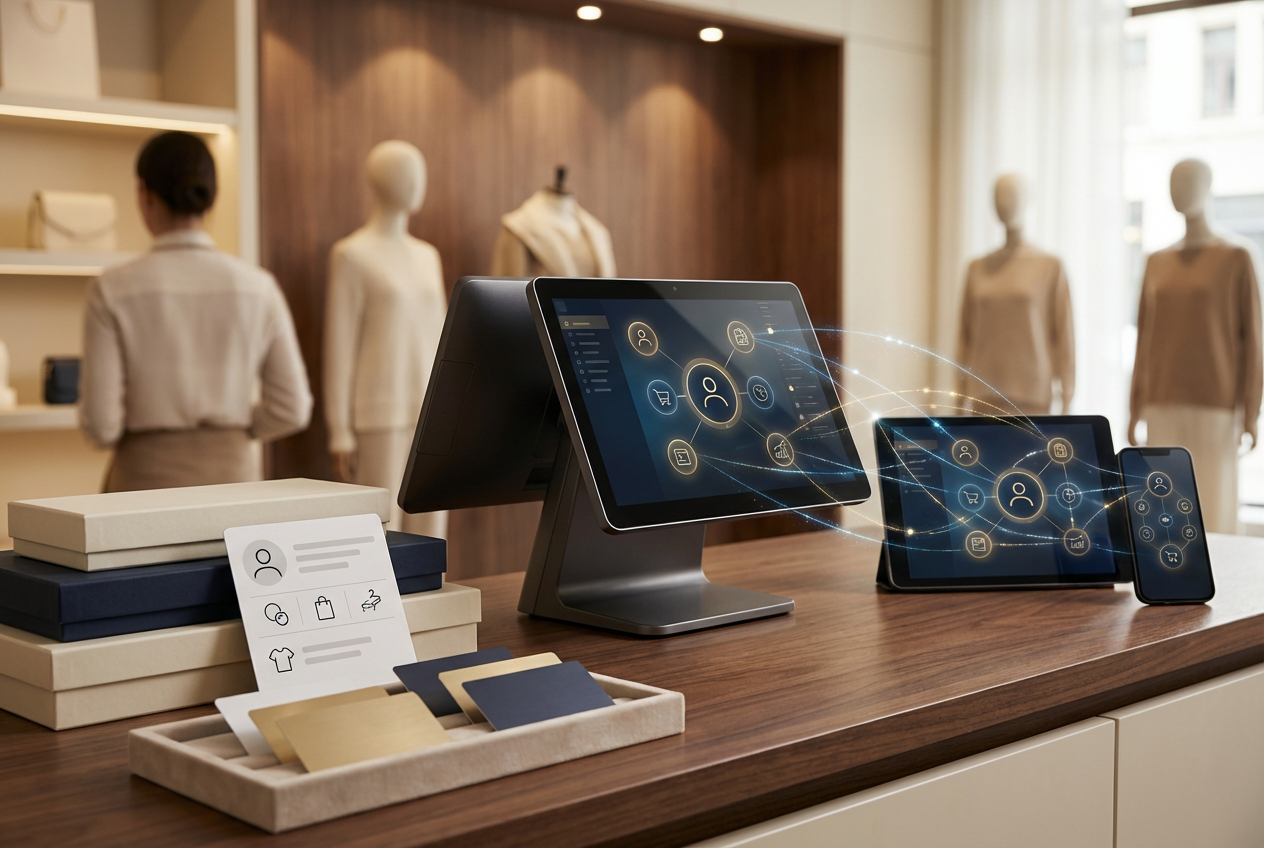
A POS with loyalty program gives retail teams a simple way to keep shoppers coming back, especially when margins feel tight and customer habits change fast. Many stores want a smarter way to connect each sale with a long-term relationship, and a POS system with customer loyalty program supports that shift. This guide of ConnectPOS will break down how this approach works and why it strengthens repeat revenue.
Highlights
- A POS with loyalty program helps retailers turn each transaction into long-term customer engagement, which increases repeat revenue naturally.
- Loyalty data inside the POS builds clearer customer profiles, supports personalized rewards, and encourages higher spending at every visit.
What Is a POS with Loyalty Program?
A POS with loyalty program blends checkout tools with reward tracking so every transaction builds toward a better customer experience. The system records payments, updates inventory, and logs reward activity in the same place. Retailers get a clear view of who buys what and how often they return. Boston Consulting Group reports that in 2024 the average US shopper belonged to more than 15 loyalty programs, about 10% more than in 2022. So, a POS that links rewards and checkout helps keep all this activity under control.
The setup includes reward engines that support points-based, tiered, cashback, or subscription-style loyalty models. Each structure helps stores speak to different shopper habits. A 2024 Statista study of US consumers found that 53% named cashback rewards as one of their favorite loyalty benefits. This means offering this option inside the POS can make a program feel more appealing.
This pairing of POS data and loyalty rules connects online and in-store visits into one journey. A shopper can earn points on a website, redeem them in a physical store, then see their balance update instantly. This smooth link makes each interaction feel steady and reliable, which keeps customers engaged. A modern CX Solution ties these touchpoints together so shoppers always feel recognized across channels.
How Loyalty Programs Drive Repeat Revenue
Keeping existing customers is far more profitable than trying to attract new ones. Harvard Business Review reports that winning a new customer can cost between five and 25 times more than keeping an existing one. New shoppers often need more time, attention, and marketing spend before they trust a brand. Returning shoppers already know the store, so they buy faster and spend more with less effort from the team.
Retail studies show that members of loyalty programs shop more often and place larger orders. Many buyers even shift their habits once they see steady rewards stacking up. The moment customers feel progress toward a reward, their shopping rhythm changes. They visit more, and they stay loyal longer.
There is also an emotional pull behind these programs. People enjoy being recognized, especially when a store remembers their taste, their usual picks, or a past purchase. A Forbes roundup of loyalty research notes that 39% of loyal customers will spend more on a product even when cheaper options are available, simply because of their strong bond with the brand. This sense of being valued builds trust. Trust then turns into repeat revenue because customers feel safe choosing the same store again.
A small rise in retention can reshape the bottom line. Research from Bain & Company shows that a 5 percent increase in retention can raise profits anywhere from 25 to 95 percent. That kind of lift does not come from discounts alone. It comes from long-term engagement where shoppers feel rewarded, appreciated, and understood.
A strong loyalty system supports that path. It encourages consistent buying patterns and strengthens the bond between the store and the customer, which drives healthy repeat revenue over time.
The Strategic Role of a POS with Loyalty Integration
A strong loyalty system works best when it connects directly to the POS. This connection turns every checkout into a source of customer insight. When those insights live inside a dedicated CRM POS system, teams can act quickly on real behavior instead of guessing. Retailers gain a clearer view of buying patterns, spending history, and reward activity in one place, which helps shape smarter decisions and stronger engagement.
A POS with loyalty program creates a steady loop between customer actions and business responses. Each interaction becomes a chance to build value, not just record a sale.
Creating Unified Customer Profiles
A POS tied to loyalty data records each purchase, preference, and visit. The system learns which products customers like, how often they return, and the channels they use. These details form complete profiles that reflect real shopping behavior.
Retailers can then spot high-value customers and see what sets them apart. NielsenIQ found that in one tiered loyalty program, just 16% of top Platinum and Gold members accounted for more than 51% of loyalty revenue, underscoring the value that can reside in a small group of shoppers.
Some may prefer online shopping, while others enjoy in-store visits. Real-time syncing keeps every update aligned across channels, so no information is missed. A customer who buys online today will see their new points at the store checkout tomorrow.
Driving Higher Customer Lifetime Value (CLV)
A loyalty-linked POS encourages customers to spend a little more during each visit. Simple prompts at checkout remind them when they are close to a reward. A message like “You’re 30 points away from your next reward” nudges them to add an item or choose a higher-value product.
Personalization also lifts average order value. McKinsey research shows that good personalization can lift revenues by about 5 to 15% and even cut customer acquisition costs by up to 50 percent. When the system knows past purchases, it can highlight items shoppers usually enjoy. This steady push toward relevant choices increases CLV in a natural way.
Automating Reward Tracking and Engagement
Automation inside the POS removes the stress of manual reward management. Points update right after payment, so customers do not wonder whether their balance is correct. This speed creates trust, which leads to repeat visits.
The system also saves staff time. Employees no longer track points by hand or explain missing rewards. Everything flows smoothly, which improves the overall store experience.
Delivering Omnichannel Loyalty Experiences
Consistency matters when customers switch between channels. A strong POS system with customer loyalty program lets shoppers earn and redeem points across in-store counters, eCommerce sites, and mobile checkouts. This freedom keeps the experience steady.
Integration across POS, websites, and mobile apps means customers see the same rewards no matter where they shop. The store can greet them with familiar benefits whether the purchase happens online or offline.
Turning Insights into Strategic Decisions
Loyalty-connected POS data helps teams track key metrics like repeat rate, average order value, and redemption rate. These numbers reveal how well the program performs and where adjustments might help.
Insights also guide tier upgrades, targeted promotions, and personalized campaigns. A store can spot which rewards motivate shoppers most and refine the program accordingly. These findings support stronger planning for future marketing and inventory needs, helping the business grow with more clarity.
Key Benefits of Using a POS with Loyalty Program
A strong loyalty setup inside the POS gives retailers a clearer way to keep customers returning. Each reward builds momentum, and each visit strengthens trust. The system turns everyday purchases into a cycle of engagement that grows over time.
- Higher retention and repeat visits. Rewards give shoppers a reason to come back. Even small point gains encourage repeat trips and steady engagement.
- Personalized promotions. The POS reads past purchases and suggests rewards that match customer habits. These targeted incentives feel relevant and guide buying decisions.
- Increased lifetime value. Point milestones and tier progress push customers to add an extra item or choose a higher-value product. These small choices raise long-term spending.
- Lower operational effort. Automation handles point updates, reward balances, and redemption tracking. This reduces manual work and keeps the experience smooth for both staff and customers.
- Stronger brand advocacy. Loyal customers share positive moments, especially when they feel appreciated. Their stories bring new shoppers through the door without extra marketing spend.
These benefits grow together as the loyalty system matures. The POS becomes more than a checkout tool. It becomes a steady engine for repeat revenue and long-term customer relationships.
Best Practices for Implementing a POS-Linked Loyalty Program
A strong loyalty program works best when it starts with clear intent. The POS creates the structure, but the strategy behind it shapes customer behavior. Each step should guide shoppers toward consistent engagement without adding confusion.
- Set clear goals. Decide whether the program should increase visit frequency, raise order value, or reward long-term customers. These goals shape every rule inside the system.
- Keep the rules simple. Customers join more easily when earning and redemption steps feel clear. Straightforward points and transparent rewards prevent frustration and keep participation high.
- Empower staff at checkout. Trained employees can introduce the program in a friendly way. A quick explanation during payment often encourages shoppers to enroll on the spot.
- Use data to shape rewards. POS data reveals what customers buy, how often they visit, and which promotions spark interest. Tailored offers feel more meaningful and lead to higher engagement.
- Refresh the program regularly. Reviewing customer behavior helps refine point values, tier thresholds, or seasonal promotions. These small updates keep the program lively and relevant.
When these practices work together, the loyalty system becomes easier to manage and more rewarding for customers. It builds steady habits that support stronger long-term revenue.
ConnectPOS – The POS System for Lasting Customer Loyalty
ConnectPOS, a leading retail POS platform, helps retailers turn every sale into a step toward customer loyalty. Its POS system is designed to unify sales, rewards, and customer data in one platform, creating a seamless experience for both shoppers and staff. With built-in loyalty tools and real-time insights, businesses can drive retention, increase repeat purchases, and strengthen customer relationships at scale. It also acts as a next-gen POS foundation that supports modern retail journeys.
Along with loyalty, ConnectPOS includes powerful inventory management software, so stock levels always stay aligned with promotions and reward campaigns.
Key loyalty-driven features include:
- Unified customer management: Build detailed profiles that record every purchase, preference, and interaction, making it easy to personalize offers and services.
- Omnichannel reward experience: Let customers earn and redeem points wherever they shop, across a multi store POS network, online, in-store, or through pop-ups, without losing data consistency.
- Built-in loyalty program: Activate built-in reward points directly in the POS or connect with third-party loyalty apps for deeper customization.
- Flexible membership tiers: Create multiple customer levels (Silver, Gold, Platinum) and assign unique benefits based on spending and frequency.
- Custom loyalty rules: Configure point conversion, earning thresholds, and exclusive promotions like “Buy X, Get Y” or “Double Points Weekends.”
- Instant reward redemption: Enable customers to apply reward points or gift cards instantly at checkout, improving satisfaction and checkout speed.
- Discount and coupon automation: Schedule promotions and special discounts automatically, ensuring consistent experiences across all touchpoints.
- Real-time analytics and reporting: Track KPIs like repeat purchase rate, average spend, and redemption trends to understand program performance.
- Holiday and campaign management: Notify customers about seasonal promotions and send loyalty-based marketing campaigns from the POS dashboard.
- Third-party integration: ConnectPOS integrates effortlessly with CRMs, loyalty software, ERPs, and eCommerce platforms, ensuring loyalty data syncs across systems.
- Mobile POS support: Extend loyalty features to mobile checkouts for faster service and better in-store engagement.
Case studies that prove the impact:
- Dampfi (Switzerland) improved its loyalty program by syncing online and in-store data through ConnectPOS. After integrating reward features, it saw a 72% increase in repeat customers and a 25% rise in satisfaction.
- The Sewing Studio (UK) enhanced customer retention after migrating to ConnectPOS. With real-time customer data and personalized rewards, it achieved a 20% increase in retention and 30% higher sales.
- Yeti Cycles (USA) leveraged ConnectPOS to connect loyalty data from BigCommerce and physical stores, resulting in 44% higher sales conversions and 53% user growth.
With these capabilities, ConnectPOS doesn’t just manage transactions, it builds lasting loyalty. Through combining seamless omnichannel operations with reward automation and actionable insights, retailers can cultivate deeper relationships and secure long-term revenue growth.
FAQs: POS with Loyalty Program
1. What is the main purpose of integrating loyalty programs into a POS system?
The main purpose is to connect transactions with reward activity so customers feel recognized each time they shop. This steady engagement encourages them to return more often.
2. How does a POS with loyalty program improve repeat sales?
The system reminds customers of points, upcoming rewards, and personal offers. These prompts encourage extra purchases and more frequent visits.
3. What types of rewards motivate customers the most?
Point-based rewards, tier upgrades, and small bonuses tied to spending milestones tend to create steady engagement. Customers enjoy progress they can see.
4. Can loyalty points be synced across online and in-store channels?
Yes. A POS connected to loyalty tools keeps point balances aligned across eCommerce, mobile, and in-store checkouts.
5. How can businesses track the success of their loyalty program?
Teams can monitor repeat rate, average order value, and redemption activity. These numbers show how well the program encourages long-term participation.
Final Thoughts
A strong POS with loyalty program turns everyday purchases into long-term relationships. Customers stay engaged when rewards feel personal, clear, and easy to use. Stores gain steadier revenue because loyal shoppers visit more often and spend with more confidence. This combination of simple rewards and real-time POS data builds a cycle of trust that grows over time.
ConnectPOS helps retailers move toward that model with tools built for loyalty, personalization, and unified customer data. The system supports fast enrollment, instant point updates, and clear insights that shape better decisions. If you want stronger retention and repeat revenue, you can contact us now. Our team will walk you through the tools that help you build deeper customer relationships and steady long-term growth.
►►► Optimal solution set for businesses: Shopify POS, Magento POS, BigCommerce POS, WooCommerce POS, NetSuite POS, E-Commerce POS