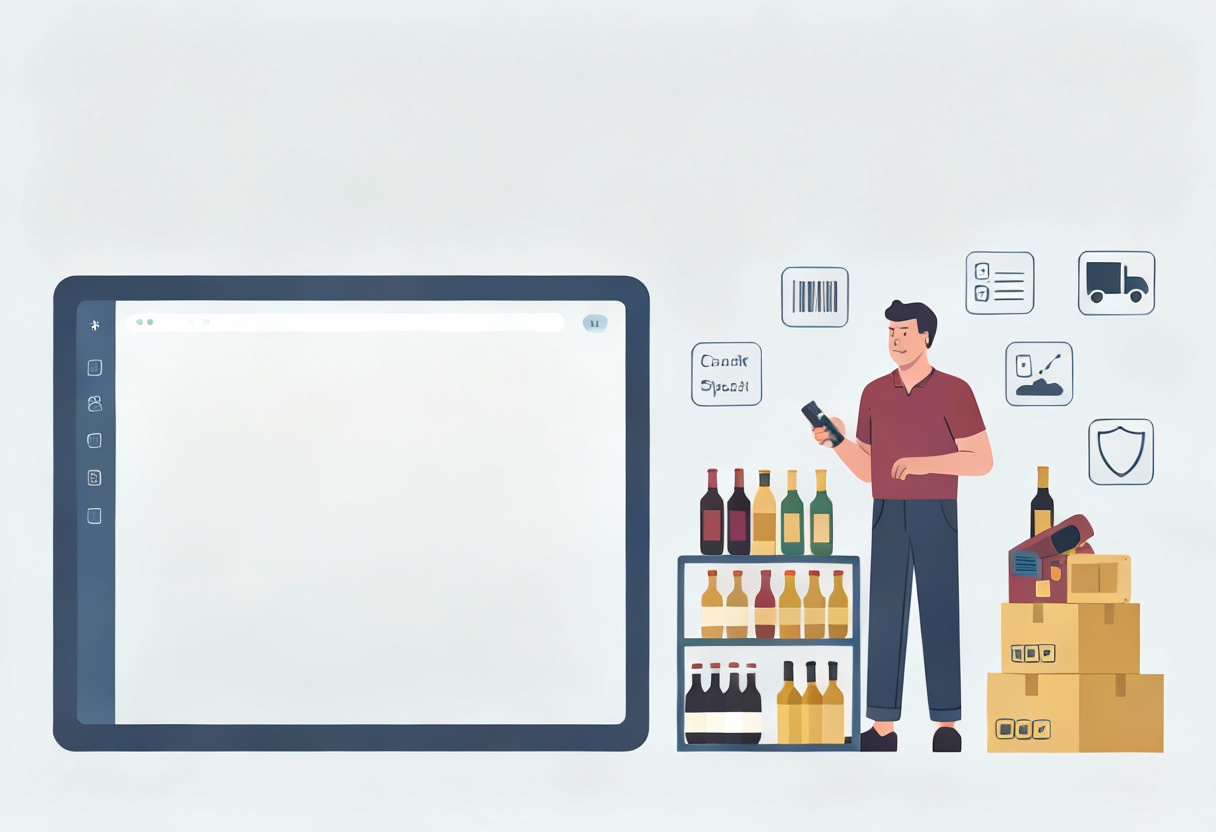
Managing inventory in a liquor store is a challenging task that requires accuracy and efficiency. With countless products, strict compliance regulations, and seasonal demand shifts, store owners need reliable tools to stay in control. Liquor store inventory management software streamlines stock tracking, prevents losses, and ensures shelves are always filled with the right products. The right system also provides insights into sales trends and automate reordering, reducing manual work and costly mistakes.
This guide will walk you through the key features of robust software and how to choose the best option for your liquor store, ensuring smooth operations and steady business growth.
Highlights
- Essential liquor store POS features include real-time stock tracking, barcode management, smart reordering, reporting, integrated POS, and omnichannel capabilities for smooth daily operations.
- When choosing software, business size, ease of use, scalability, integrations, cost vs. ROI, and reliable customer support all play an important role in making the right decision.
Why Liquor Stores Need Specialized Inventory Management Software
Liquor stores face unique challenges that general retail software often cannot address. Specialized inventory management software is designed to meet these needs and keep operations compliant, accurate, and profitable.
Key reasons liquor stores benefit from dedicated solutions include:
- Compliance with liquor regulations and age restrictions: Liquor sales are heavily regulated. The right system helps maintain accurate records, support audits, and ensure proper sales tracking to avoid penalties.
- Tracking diverse product ranges: Liquor stores stock beer, wine, spirits, and seasonal items, each with different packaging sizes and varieties. Software tailored for liquor retailers makes it easier to categorize and manage these product types.
- Managing expiration dates and batch/lot numbers: Perishable items and products with limited shelf life require close monitoring. A specialized system ensures nothing is overlooked, protecting both sales and customer safety.
- Handling bulk purchases, discounts, and supplier terms: Liquor stores often buy in large quantities and deal with varied agreements across suppliers. Inventory software streamlines purchase management, discount application, and pricing accuracy.
By using specialized software, liquor store owners can improve efficiency, reduce compliance risks, and keep customers satisfied with well-stocked, properly managed shelves.
Key Features to Look for in Liquor Store Inventory Management Software
What to look for when choosing your liquor store inventory management software?
1. Real-Time Stock Tracking
Real-time stock tracking is one of the most critical features in liquor store inventory management software. It ensures accuracy, reduces stockouts, and supports smooth operations.
Key benefits include:
- Visibility across multiple locations: For stores with more than one branch, real-time tracking provides a clear view of stock levels everywhere. Owners can quickly identify which products need replenishment and transfer items between stores without confusion.
- Automatic updates with every sale: Each purchase instantly adjusts inventory counts. This eliminates manual data entry, prevents errors, and ensures that the system always reflects the true stock on hand.
2. Barcode & Label Management
Managing barcode & label is essential for keeping liquor store operations efficient and compliant. It reduces manual errors and speeds up daily processes.
Key functions include:
- Scan-based checkouts and stock counts: Using barcodes makes sales faster and more accurate. Staff can also complete inventory counts quickly, saving time and reducing mistakes.
- Customizable barcode/label printing for compliance: Liquor products often require clear labeling for tracking and legal purposes. With customizable printing, stores can create labels that meet regulatory standards and include important details like batch numbers or expiration dates.
3. Smart Reordering & Supplier Management
This advantage helps liquor stores maintain stock levels without overbuying or running out of popular items. With smart reordering and supplier tools, liquor stores gain more control over inventory flow, reduce waste, and keep operations efficient.
Key functions include:
- Low-stock alerts and automatic reorder points: The system notifies staff when inventory reaches a set threshold and can trigger purchase orders automatically. This ensures shelves stay stocked with customer favorites.
- Manage supplier catalogs and purchase orders: Centralized supplier management makes it easier to compare prices, track terms, and place orders directly from the system. It also improves accuracy in tracking deliveries and invoices.
4. Reporting & Analytics
Reporting & analytics give liquor stores the insights needed to make informed business decisions. By tracking sales and inventory data, store owners can plan smarter and maximize profitability.
Key benefits include:
- Identify best-selling products and seasonal trends: Detailed reports highlight which items drive the most revenue and when demand peaks. This helps with stocking strategies and seasonal promotions.
- Detect slow-moving or expiring stock: Analytics reveal which products are not selling quickly or nearing expiration. Store owners can adjust pricing, create promotions, or reduce future orders to limit waste.
5. Integrated Sales & POS System
An integrated sales & POS system is vital for liquor stores aiming to connect customer transactions with inventory in real time. It keeps stock accurate and simplifies sales management.
Key functions include:
- Sync between POS transactions and inventory: Every sale instantly updates stock counts, reducing errors and preventing overselling. This creates a smooth link between the checkout process and inventory records.
- Support for promotions, discounts, and loyalty programs: An integrated system makes it easier to apply discounts, run promotions, and reward loyal customers. These features encourage repeat business and help increase sales.
6. Multi-Channel & Omnichannel Capabilities
Multi-channel & omnichannel capabilities allow liquor stores to serve customers seamlessly across different platforms. With more shoppers buying online and through delivery apps, integration across channels is essential.
Key functions include:
- Manage sales across in-store, online, and delivery platforms: A connected system keeps all sales channels updated, ensuring accurate stock levels and smooth order fulfillment. Customers get the same reliable experience regardless of how they shop.
- Centralized dashboard for all channels: Store owners can view performance, inventory, and orders in one place. This makes it easier to track revenue, identify trends, and manage operations without switching between systems.
Factors to Consider When Choosing the Right Software
Choosing the right liquor store inventory management software requires careful evaluation of your business needs and long-term goals. The right solution should support daily operations, simplify compliance, and help your store grow.
Important factors to consider include:
- Business size: A small local store may only need basic features, while a multi-location chain requires advanced tools for centralized management.
- Ease of use: Staff adoption depends on how simple the system is. An intuitive interface reduces training time and minimizes mistakes.
- Scalability: As your store expands, the software should handle more products, sales channels, and users without slowing performance.
- Integration: Compatibility with POS, accounting, and eCommerce platforms ensures smooth workflows. This reduces duplicate work and improves efficiency.
- Cost vs. ROI: Budget is important, but value matters more. Compare features against potential savings in time, labor, and inventory accuracy.
- Customer support: Reliable assistance is crucial. Look for providers that offer training resources, responsive troubleshooting, and ongoing updates.
ConnectPOS – Complete Solution for Your Liquor Store Inventory Management
ConnectPOS is designed to optimize liquor stores by managing stock efficiently, meeting compliance requirements, and providing a seamless customer experience. Its features cover every aspect of inventory management and sales.
Key strengths of ConnectPOS include:
- Real-time stock syncing across online and offline channels: Keep inventory accurate and updated instantly across all sales points.
- Automated low-stock alerts and reordering functions: Never miss a restock opportunity with smart notifications and auto-generated purchase orders.
- Built-in compliance features with customizable barcodes/labels: Ensure liquor regulations are met by creating labels with batch numbers, expiration dates, and other required details.
- Analytics to track top-selling liquor and seasonal demands: Gain valuable insights into customer preferences, identify trends, and plan promotions that match demand cycles.
- Omnichannel support for in-store, online, and delivery sales: Manage all channels from a centralized system to improve efficiency and consistency.
- Multi-location and warehouse management: Easily monitor stock across multiple stores or storage sites, with visibility into transfers, shrinkage, and stock aging.
- Age verification and purchase restrictions: Add safeguards at the point of sale for legal compliance, including ID checks and purchase limits.
- Flexible pricing and discount rules: Set up tailored pricing for different customer groups, product bundles, or promotional campaigns.
With ConnectPOS, liquor stores can streamline operations, reduce errors, and maximize profitability. The platform provides the tools needed to keep shelves stocked, track performance, and deliver a smooth shopping experience across every channel.
Final Thoughts
Choosing the right liquor store inventory management software is a key step toward improving accuracy and keeping customers satisfied. By focusing on features such as stock tracking, barcode management, supplier tools, analytics, and omnichannel support, liquor stores can create a streamlined system that supports long-term growth.
ConnectPOS offers a complete solution tailored to the unique needs of liquor retailers. From compliance-ready labeling to smart reordering and multi-channel integration, it equips your business with everything required for efficient inventory control and sales management.
Contact ConnectPOS today to discover how we can transform your liquor store operations.
FAQs: Liquor Store Inventory Management
What makes liquor store inventory management different from other retail stores?
Liquor stores must follow strict regulations, track expiration dates, and manage diverse product ranges such as beer, wine, and spirits. These requirements make specialized inventory management tools essential.
How can software help prevent stockouts or overstocking in liquor stores?
Inventory software provides real-time stock tracking, low-stock alerts, and automated reordering. These features keep shelves stocked with high-demand items without creating unnecessary surplus.
Does liquor store software handle age verification at checkout?
Yes. Many solutions include built-in age verification features that prompt staff to confirm customer eligibility before completing alcohol sales, helping stores stay compliant.
Can I integrate inventory management software with my existing POS system?
Most modern liquor store inventory solutions integrate seamlessly with POS, accounting, and eCommerce platforms. This ensures accurate data flow and reduces duplicate work.
What’s the best way to manage seasonal or limited-edition liquor products?
Using reporting and analytics, stores can identify seasonal demand patterns. Inventory software also helps set reorder limits, track promotions, and manage special product launches effectively.
►►► Optimal solution set for businesses: Shopify POS, Magento POS, BigCommerce POS, WooCommerce POS, NetSuite POS, E-Commerce POS