Click and collect keeps gaining traction because it matches how people shop now. Customers browse on their phones, compare options in seconds, then want a pickup experience that feels quick and predictable. Yet the concept isn’t “one process fits all.” Each brand shapes click and collect around store layout, order volume, staffing, and the level of automation they can support.
Below is a detailed look at how five well-known companies run click and collect, plus practical takeaways you can apply in your own operation.
What is click and collect?
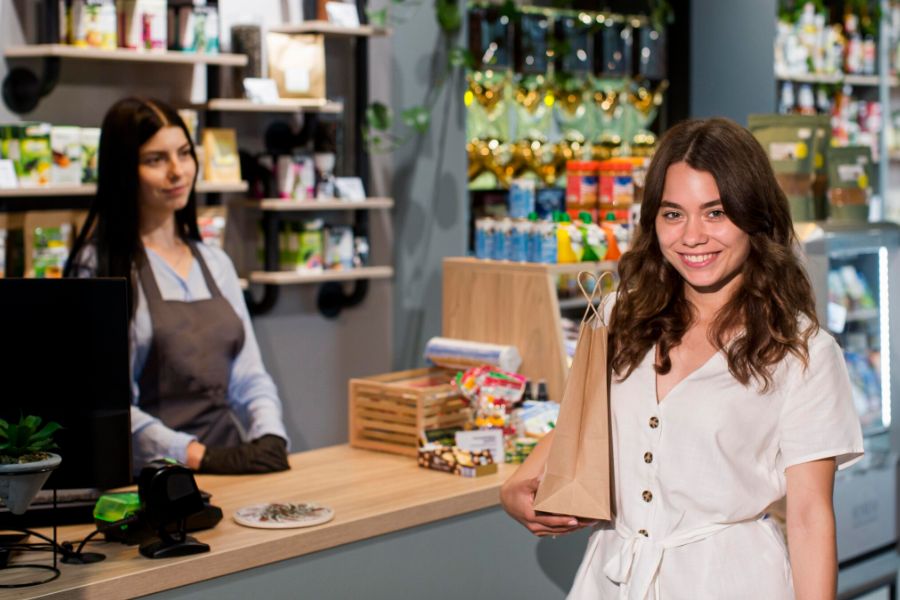
Click and collect is a retail model where a customer places an order online and picks it up at a store, pickup point, or warehouse instead of receiving a home delivery.
A common variant is curbside pickup, where customers stay in their car while staff bring out the order. This approach works well for grocery and high-volume locations because it cuts in-store traffic and keeps pickup moving.
Click and collect usually consists of three steps:
- A customer orders your products online using a website, ordering page, or app and selects pickup as a delivery option.
- The consumer should get an order confirmation with collection details after paying for the transaction online. The firm receives the details of the order and prepares the item for collection.
- The customer goes to the pickup location and picks up the things in person, usually after receiving purchase confirmation.
What changes brand to brand is the “middle layer”: picking method, storage, customer communication, and handoff design.
Why POS matters for click and collect
Click and collect breaks down fast when teams manage it manually. Orders get missed, items get picked twice, and inventory goes out of sync across store and online channels.
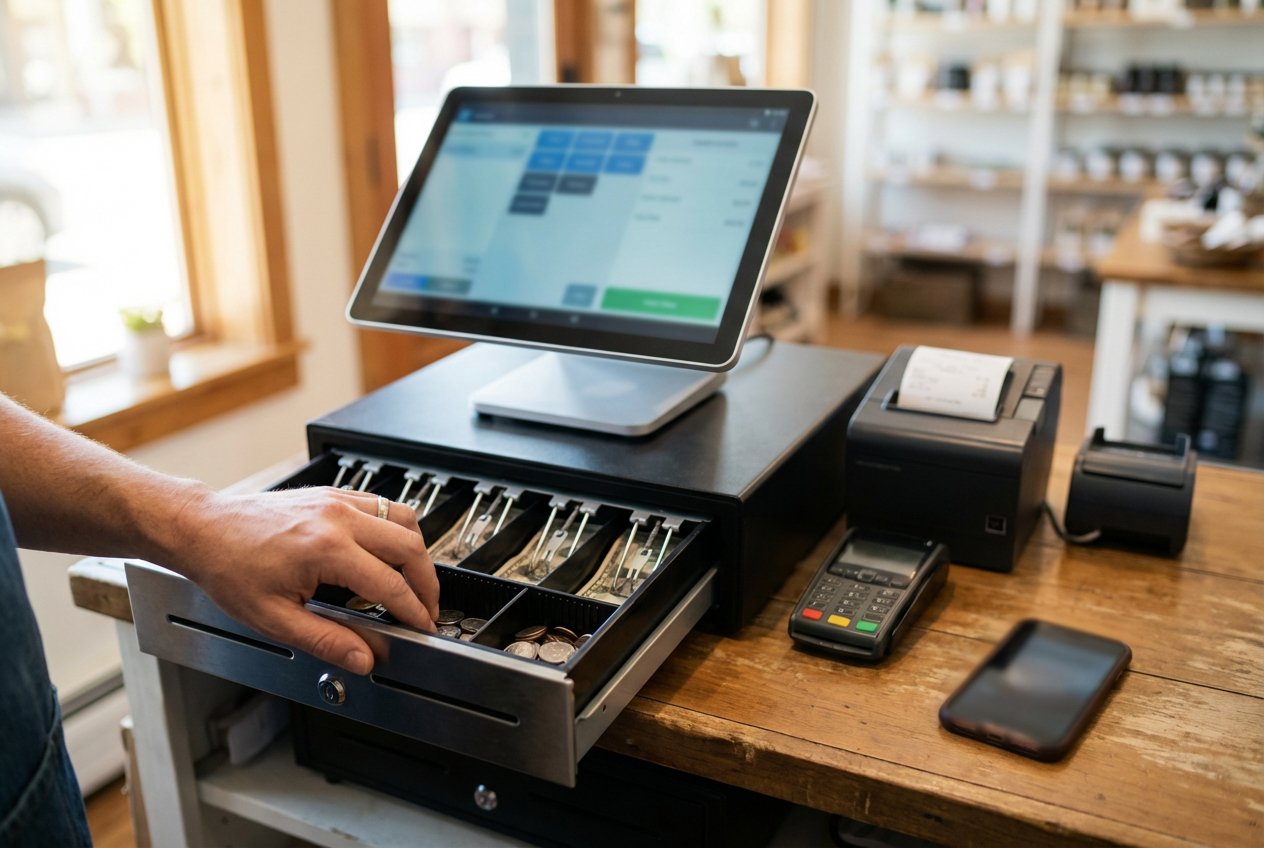
A POS system with omnichannel order support can tighten execution through:
- Order status tracking (received → picking → ready → collected)
- Inventory synchronization across stores and online channels
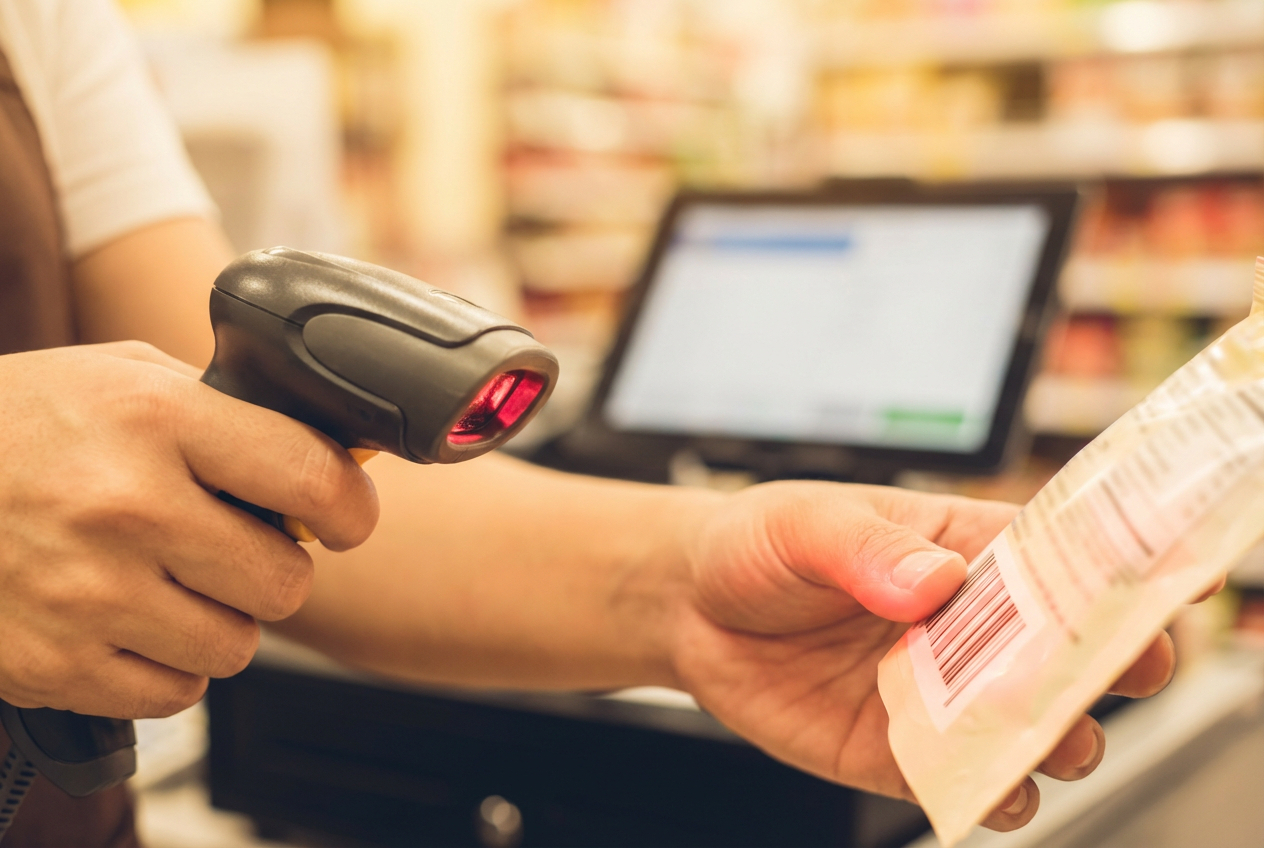
- Barcode scanning for faster picking and fewer item mistakes
- Customer notifications tied to order milestones
- Reporting on pickup speed, cancellation rate, and substitution patterns
5 most outstanding click and collect business examples
Stop & Shop
Stop & Shop Stop & Shop runs a practical model through Peapod: customers choose pickup at a local store, drive to designated parking spots, and then staff load groceries into the car.
What stands out
- Dedicated pickup parking spaces reduce confusion at arrival.
- The process favors speed and repeat behavior, which grocery depends on.
- Fresh and prepared items fit naturally when store inventory is part of the fulfillment loop.
Takeaway for retailers
Clear arrival instructions and dedicated pickup zones cut delays, especially during peak hours.
Walmart
Walmart has pushed click and collect through automation, including Pickup Towers in some stores that let customers retrieve orders without waiting in traditional lines.
The brand also tested robotic picking technology (such as Alphabot) to speed up fulfillment and shorten the time between order placement and pickup.
What stands out
- Self-serve collection reduces pressure on frontline staff.
- Faster retrieval supports higher order volume per location.
- Studies often show pickup baskets can run higher in value than in-store baskets, which explains Walmart’s continued investment.
Takeaway for retailers
Automation isn’t required to run click and collect, but queue reduction is. If you can’t invest in robotics, focus on simple wins: separate pickup counters, fast scanning, and clear “ready for pickup” messaging.
Zara
Zara uses in-store collection terminals in some locations. Customers enter a confirmation code or scan a QR code, then the system retrieves the order from the back-of-house process.
What stands out
- Customers skip service lines.
- Staff spend less time on handoffs and more time on selling and floor tasks.
- Pickup becomes predictable, which supports fashion shoppers who want speed.
Takeaway for retailers
If your returns desk is already overloaded, moving pickup to a separate flow can cut friction quickly.
Apple
Apple has tested store layouts that reserve a distinct area for online pickup and scheduled support. This redesign is less about technology and more about space planning.
What stands out
- Pickup customers don’t compete with browsing customers for staff attention.
- The store keeps traffic organized, which matters in high-density locations.
- The brand can test new store formats without rebuilding everything.
Takeaway for retailers
A small layout change can reshape pickup speed. Even one clearly marked pickup area can reduce confusion and shorten wait time.
Starbucks
Starbucks runs a well-known mobile ordering flow: customers place an order in the app, then pick up in store, usually without waiting in the main line. Some locations even focus heavily on pickup, with limited seating and a layout designed for fast turnover.
What stands out
- Pickup is the core experience, not a side feature.
- A dedicated pickup area reduces congestion near the counter.
- The app becomes the ordering layer, while the store becomes the fulfillment layer.
Takeaway for retailers
Click and collect can change store design, staffing, and merchandising. If pickup volume is high, treat it like its own service lane.
Click and collect works best when the pickup experience is designed as a process, not a checkbox. Across these brands, a few patterns show up repeatedly:
- A clear pickup journey beats a complicated one.
- Speed depends on inventory accuracy and simple handoff steps.
- Dedicated space reduces conflict between pickup customers and in-store shoppers.
- Automation can raise throughput, but operational clarity still does most of the work.
Where ConnectPOS fits in your click and collect workflow
Click and collect only feels “easy” to shoppers when the backend runs with discipline. The moment inventory is off, orders sit in limbo, or staff can’t find items fast, pickup turns into cancellations and unhappy customers. ConnectPOS fits into this flow as an omnichannel POS that connects online orders, store inventory, and pickup operations in one place, so your team can manage click and collect with less manual work and fewer blind spots.
- Real-time inventory synchronization: Stock stays aligned across stores and online channels, reducing the risk of selling items that aren’t actually available for pickup.
- Centralized order management: Staff can view and process orders from multiple sales channels in one dashboard, which keeps click and collect from turning into a spreadsheet-driven process.
- Barcode scanning for picking and handoff: Scanning speeds up fulfillment and cuts common mistakes like wrong items, wrong variants, or partial orders.
- Multi-store inventory and transfers: You can locate items across locations and move stock when needed, which supports faster fulfillment and fewer cancellations.
- Customer profiles and purchase history: Teams can recognize repeat customers and handle service issues faster during pickup, returns, or exchanges.
- Promotions and pricing consistency: Run the same rules across channels so click and collect pricing matches what customers saw online.
- Offline mode with automatic resync: Stores can keep processing transactions during network disruptions, then sync back once connectivity returns.
- Reporting that supports operational decisions: Track sales performance, pickup demand patterns, and store-level activity so you can refine staffing, replenishment, and pickup windows.
- Integrations with major commerce platforms: ConnectPOS works with platforms such as Shopify, Magento, WooCommerce, and BigCommerce, making it easier to keep your online store and physical operations aligned.
Wrapping up
Click and collect keeps evolving because retailers keep shaping it around their customers, their stores, and their order volume. Stop & Shop shows how curbside drives grocery convenience, Walmart highlights how automation supports scale, Zara removes service desk friction, Apple proves layout matters, and Starbucks turns pickup into a core store model.
If you want to tighten your click and collect workflow with better inventory visibility, cleaner order tracking, and smoother pickup execution, contact ConnectPOS to see how our POS setup fits your omnichannel operation.
►►► Optimal solution set for businesses: Shopify POS, Magento POS, BigCommerce POS, WooCommerce POS, NetSuite POS, E-Commerce POS