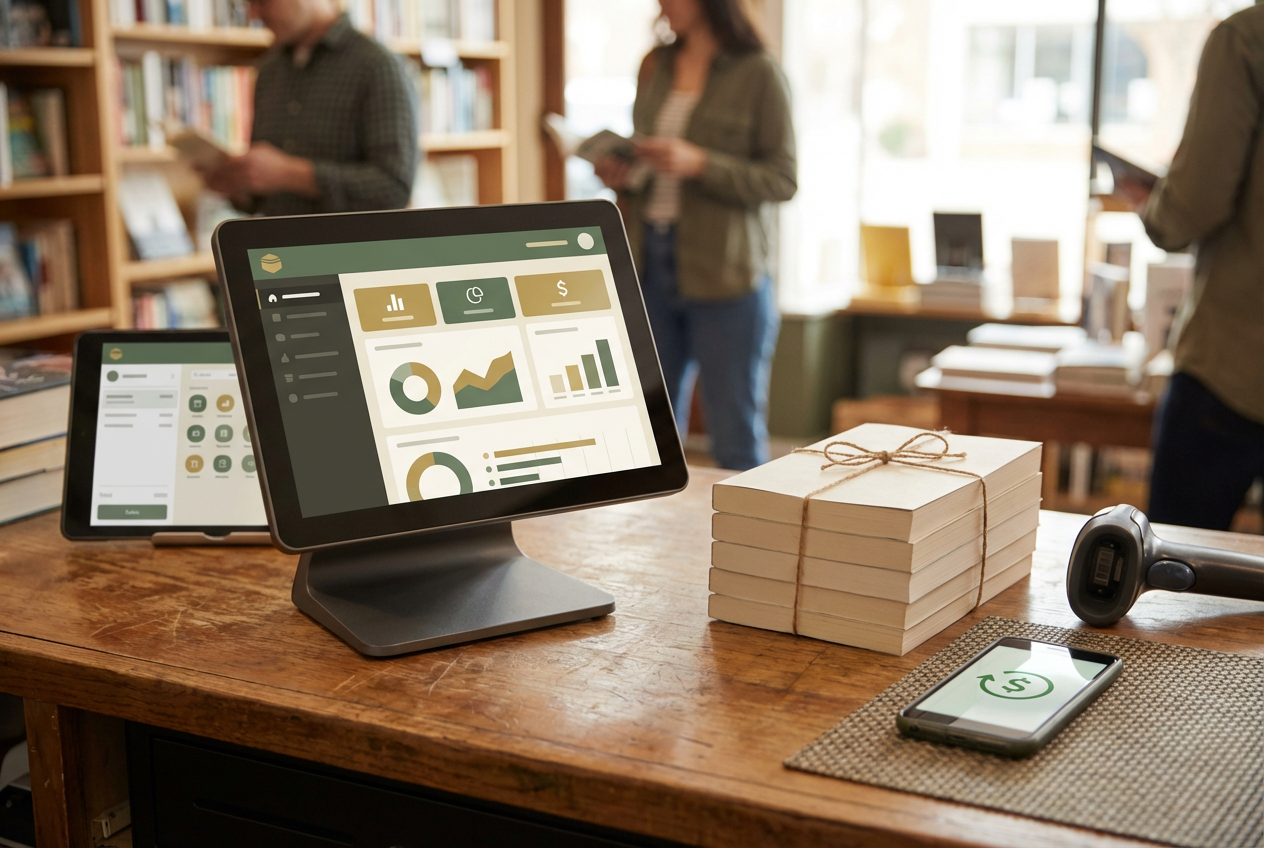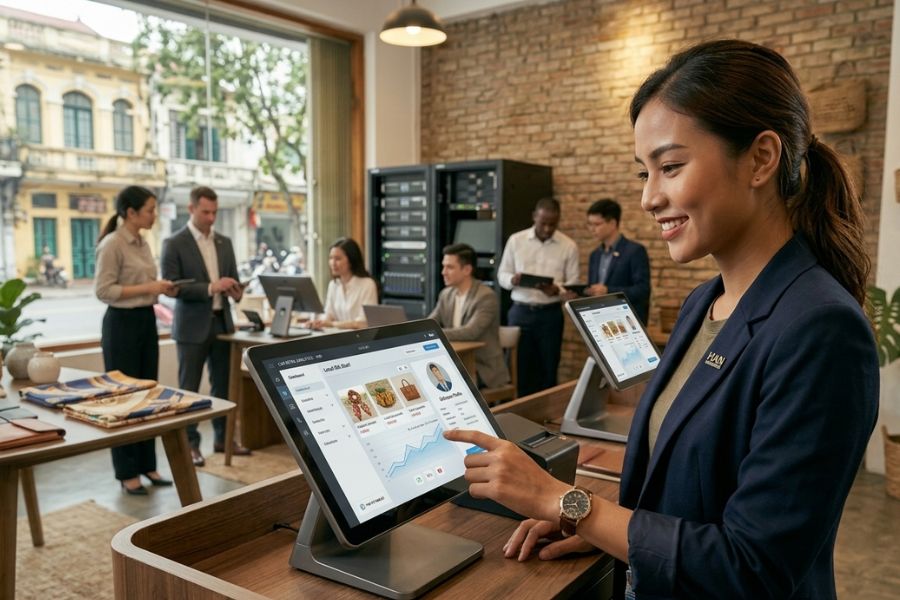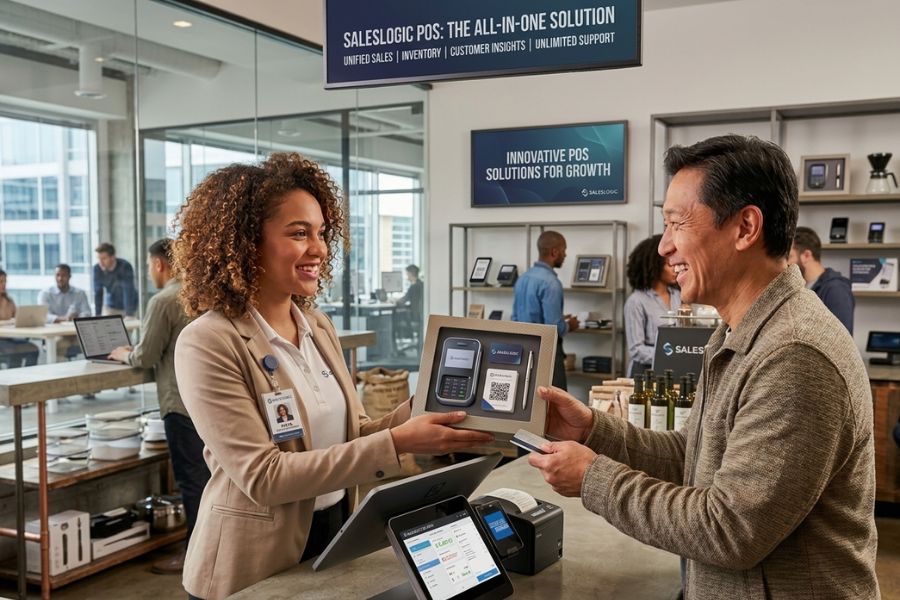
Point of Sale (POS) systems play a central role in how US retailers run their daily operations. More than just a checkout tool, a modern POS system connects sales, inventory, customers, and staff into a single platform. As retail in the US continues to blend in-store and online experiences, POS technology has evolved. What is the POS system in the US? This article explains what a POS system is in the US market, how it works, and why it has become a must-have foundation for retailers of all sizes and industries.
Highlights
- POS systems are the foundation of modern US retail, handling transactions while also connecting inventory, customers, employees, and sales data across in-store and online channels.
- US retailers use different types of POS systems, including cloud-based, on-premise, mobile, and self-service, depending on business size, industry needs, and operational complexity.
- Choosing the right POS system depends on scalability, features, and integrations, with pricing, omnichannel support, and long-term growth playing a key role in the decision.
What is the POS System in the US?
A POS system, short for Point of Sale, is where a retail transaction occurs. It is the system that allows a business to sell products, accept payments, and complete a purchase with a customer. In simple terms, a POS system is where buying and selling meet.
The term “Point of Sale” refers to the moment and location where a customer pays for goods or services. This can be a checkout counter in a physical store, a staff member’s mobile device, or even a self-service kiosk.
The core purpose of a POS system is to process transactions accurately and efficiently. Beyond taking payments, it records sales data, updates inventory levels, and supports basic reporting.
Traditional POS systems were often standalone cash registers with limited features and local data storage. Modern POS systems are cloud-based and connected, combining sales, inventory, customer management, and integrations with eCommerce POS platforms. This shift allows retailers to operate across multiple channels with real-time visibility and greater flexibility.
How POS Systems Work in the US?
POS systems in the US are designed to handle transactions quickly while keeping sales data accurate and connected across the business. Although the technology behind them can be complex, the actual process is simple and consistent across most retail environments.
A typical POS transaction usually follows these steps:
- A cashier scans a barcode or selects a product from the POS screen
- The POS software retrieves product details such as price, tax rules, and promotions
- The system calculates the total amount, including sales tax
- The customer completes payment using cash, card, or digital wallets
- The POS records the sale and updates inventory in real time
- A receipt is printed or sent digitally to the customer
Behind the scenes, POS software manages product data, pricing, inventory, and reporting. Hardware includes devices like terminals, scanners, receipt printers, and card readers. Payment processors securely authorize and settle card transactions, ensuring compliance with US payment standards.
Modern POS systems also support both online and offline operations. When online, data syncs instantly across stores and channels. If the internet goes down, offline mode allows sales to continue and automatically syncs once the connection is restored.
Read more: How To Use A Cash Register in 2026
Types of POS Systems Used in the US
US retailers use different types of POS systems depending on their size, industry, and operational needs. While the core function remains the same, each POS type offers distinct advantages in how it is deployed and used across sales channels.
Common types of POS systems in the US include:
These systems store data in the cloud and run on internet-connected devices. They offer real-time data access, easy updates, and seamless integration with eCommerce, inventory, and customer platforms. Cloud POS is popular with multi-store and omnichannel retailers.
- On-premise POS
On-premise systems store data locally on in-store servers. They are often used by retailers with stable, single-location operations and strict internal control requirements. Updates and maintenance usually require manual handling.
- Mobile POS (mPOS)
mPOS systems run on tablets or smartphones, allowing staff to complete transactions anywhere on the sales floor. They help reduce checkout lines and support flexible selling in pop-up stores, events, or busy retail environments.
These POS systems let customers place and pay for orders themselves. Kiosks improve speed, reduce labor pressure, and are widely used in grocery, quick-service retail, and high-traffic locations.
Point of Sale (POS) systems play a central role in how US retailers run their daily operations. More than just a checkout tool, a modern POS system connects sales, inventory, customers, and staff into a single platform. As retail in the US continues to blend in-store and online experiences, POS technology has evolved. What is the POS system in US? This article explains what a POS system is in the US market, how it works, and why it has become a must-have foundation for retailers of all sizes and industries.
Modern POS systems in the US are built to support more than basic checkout. Retailers rely on a set of core features that help them manage daily operations, improve customer experience, and make better business decisions from a single platform.
Common POS features US businesses depend on include:
- Inventory management – Track stock levels in real time across stores and warehouses, manage SKUs and variants, and reduce out-of-stock or overstock issues.
- Employee management – Control staff access, track working hours, assign roles, and monitor sales performance by employee.
- Sales reports and analytics – View daily sales, best-selling products, peak hours, and store performance through clear dashboards and reports.
- Customer profiles and loyalty – Store purchase history, contact details, and preferences to support personalized offers, rewards programs, and repeat purchases.
- Omnichannel selling – Connect online and in-store sales, allowing customers to buy, return, or pick up products across channels with consistent pricing and inventory visibility.
How Much Does a POS System Cost in the US?
POS pricing in the US can vary widely depending on the type of system, features, and business size. Most modern POS solutions follow a subscription-based model, with additional costs tied to payments and hardware.
Key pricing components usually include:
- Software subscription fees
Cloud-based POS systems often charge monthly fees per location or register. Basic plans may start around a low monthly rate, while advanced plans with inventory, reporting, and omnichannel features can cost significantly more.
- Transaction and payment fees
Payment processors typically charge a percentage of each card transaction plus a small fixed fee. Costs can vary based on card type, sales volume, and negotiated rates.
- Hardware and setup costs
Hardware such as terminals, tablets, barcode scanners, receipt printers, and cash drawers may require an upfront investment. Some vendors offer hardware bundles or financing options.
- Factors that affect total cost
The number of stores, users, integrations, inventory complexity, and required support level all influence the final POS cost. Retailers with omnichannel needs or custom workflows often invest more to gain long-term efficiency and scalability.
Read more: How to Choose the Best POS Systems in US?
How to Choose the Right POS System in the US
Choosing the right POS system in the US is a strategic decision that affects daily operations and long-term growth. With many options available, retailers should focus on solutions that match their current needs while leaving room to scale as the business evolves.
Key factors to consider include:
- Business size and growth stage – Small or single-store retailers may prioritize ease of use and fast setup, while growing or multi-store businesses need stronger inventory control, reporting, and centralized management.
- Industry-specific requirements – Different industries have unique needs. Apparel retailers often require variant and matrix management, grocery stores focus on speed and barcode accuracy, and specialty retail may need serial numbers or batch tracking.
- Budget and scalability – Look beyond initial costs and evaluate long-term value. A POS system should support more users, locations, and data volume without requiring a complete system change.
- Integrations with eCommerce and accounting tools – Seamless integrations with platforms such as online stores, accounting software, and third-party services help reduce manual work and keep data consistent across channels.
ConnectPOS: A POS Platform Built for US Retail Requirements
ConnectPOS is designed to meet the practical and regulatory needs of retailers operating in the US market. The software goes beyond basic checkout by offering a full POS ecosystem that supports omnichannel selling, complex inventory, and scalable growth.
At its core, ConnectPOS delivers a cloud-based, API-first POS that works reliably online and offline, ensuring uninterrupted sales even during network issues. It supports US payment standards, flexible tax configurations, and real-time transaction processing across locations.
Key strengths of ConnectPOS for US retailers include:
- Omnichannel-ready architecture that unifies in-store and online sales, inventory, and customer data
- Advanced inventory management, including multi-source inventory, warehouses, and real-time stock sync
- Seamless integrations with leading platforms such as Shopify, Magento, BigCommerce, WooCommerce, NetSuite, and Commercetools
- Scalability for growth, supporting single-store retailers as well as large enterprises with high product and data volumes
- Self-service and mobile POS options, including kiosks and mPOS, to improve checkout speed and customer experience
With the modern microservice design and flexible customization, ConnectPOS helps US retailers stay compliant, connected, and ready to scale without system limitations.
Read more: The Best POS Systems for Retail Stores in US for Omnichannel Selling
FAQs – What is the POS System in US?
What does POS stand for in retail?
POS stands for Point of Sale. In retail, it refers to the system used to process sales transactions when a customer purchases products or services. This includes both the software and hardware used at checkout.
How much does a POS system cost in the US?
Most US POS systems cost $50–$150 per month per register for software, plus payment processing fees. Hardware and setup typically add $500–$2,000 upfront, depending on the setup and features.
Do POS systems require internet access?
Most modern POS systems work best with an internet connection for real-time syncing and reporting. However, many cloud POS solutions offer offline mode, allowing sales to continue and sync automatically once the connection is restored.
Can a POS system integrate with online stores?
Yes. Many POS systems integrate with eCommerce platforms to support omnichannel selling. This allows inventory, orders, and customer data to stay consistent between online and in-store channels.
Is a POS system required by law in the US?
No, a POS system is not legally required in the US. However, businesses must still comply with tax reporting, payment, and record-keeping regulations, which POS systems help manage efficiently.
In Conclusion
Now you have the answer for “what is the POS system in US?”. POS systems have become a core foundation for how retailers operate in the US, supporting everything from transactions and inventory to customer engagement and omnichannel sales. Choosing the right POS is no longer just about checkout speed, but about building a connected, scalable retail operation that can grow with your business. A modern POS system helps retailers stay flexible, data-driven, and ready for change.
If you are looking for a POS solution built to meet US retail requirements, contact us today to see how ConnectPOS can support your stores today and scale confidently for the future.
►►► Optimal solution set for businesses: Shopify POS, Magento POS, BigCommerce POS, WooCommerce POS, NetSuite POS, E-Commerce POS