CBD is everywhere right now, yet the rules around it still confuse many people. If you’re researching what CBD is, you’ll quickly run into four terms that shape almost every legal definition: CBD, cannabis, hemp, and THC. Once you understand how these pieces connect, it’s easier to evaluate CBD products, read labels, and avoid buying or selling something that crosses local limits.
In this post, we will explore the various cannabis varieties, clarify legal definitions, and outline the regions where CBD products are acceptable. This comprehensive overview will help you navigate the nuances of CBD legality and ensure that you are well-informed, whether you’re a consumer, retailer, or policymaker.
What is CBD?
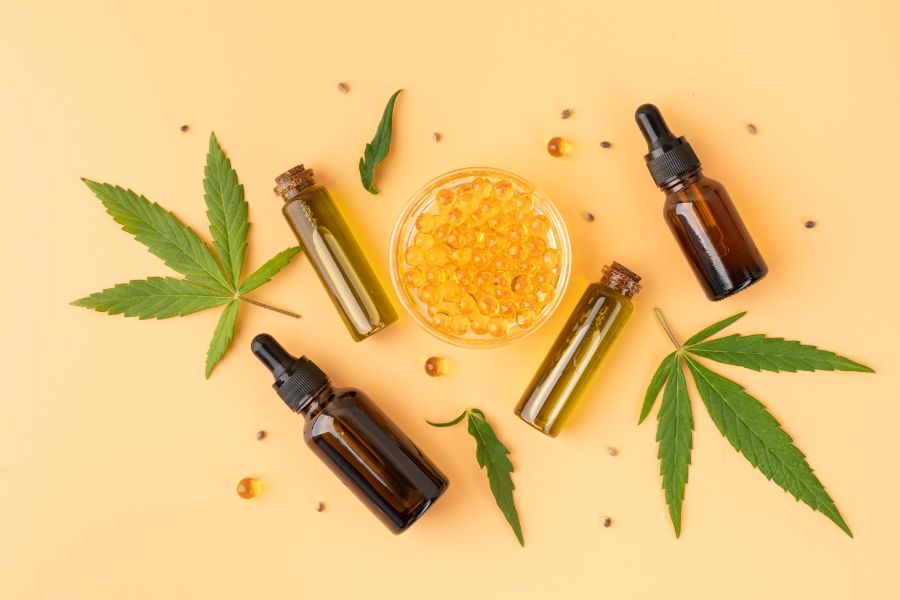
Cannabidiol (CBD) is a non-intoxicating compound derived from the cannabis plant, primarily industrial hemp. Unlike THC, it does not cause a “high”. It is used for potential therapeutic benefits, including pain relief, reducing inflammation, and treating certain types of epilepsy, though it is not FDA-approved for most health claims.
CBD vs THC: why CBD doesn’t cause a “high.”
CBD is often compared with THC (tetrahydrocannabinol), another compound found in cannabis.
- THC is psychoactive, which means it can impair judgment and create the “high” people associate with marijuana.
- CBD is not psychoactive, so it typically won’t impair you in the same way.
Yet there’s a catch: many CBD oils can contain trace amounts of THC depending on the plant source and extraction process. For that reason, legality frequently comes down to how much THC is present, not the CBD itself.
Cannabis vs hemp: the distinction that drives legality
Cannabis is an umbrella term that covers many plant varieties used for medical, wellness, and recreational purposes.
Hemp is a cannabis variety defined by its very low THC content. In many jurisdictions, hemp is classified as cannabis containing less than 0.3% THC (some countries set different thresholds, such as 0.2% or even lower).
This is why you’ll see “hemp-derived CBD” mentioned so often. In many regions, hemp-derived CBD faces fewer restrictions than CBD derived from marijuana (higher-THC cannabis varieties). The THC threshold is the line regulators use to separate “controlled cannabis products” from “hemp wellness products.”
Why CBD oils can look similar but behave differently
Two CBD oils can look nearly identical and still differ in real ways. A few factors drive these differences:
- Plant genetics: Hemp strains vary, and that changes the cannabinoid and terpene profile.
- Extraction method: CO₂ extraction, ethanol extraction, and other techniques can produce different chemical profiles and purity levels.
- Formulation type: Full-spectrum, broad-spectrum, and isolate products aren’t the same, especially when THC limits are strict.
- Quality control: Testing standards, lab accuracy, and batch consistency affect potency and compliance.
If you’re buying CBD, these differences affect taste, strength, and what might show up on a lab report. If you’re selling CBD, they affect product classification and legal risk.
Which nations permit CBD use?
CBD legality varies by country and sometimes by region within a country. Rules usually depend on:
- whether the CBD is hemp-derived or marijuana-derived
- the permitted THC percentage (common limits include 0.3% and 0.2%, with some countries requiring lower)
Below is a practical overview based on the regions mentioned in your draft. Regulations change often, so treat this as a starting point, then confirm with local authorities and current legislation.
Thailand
Thailand is one of the few Asian nations that have taken progressive steps toward cannabis legalization.
Cannabis was legalized for medical purposes in 2018, and CBD products are generally permitted when they meet strict THC limits and regulatory requirements. Yet the framework continues to evolve, so brands and retailers need to track updates closely, especially around product types, licensing, and medical-only restrictions.
Eastern European countries
CBD acceptance varies across Eastern Europe, with several countries permitting hemp-derived CBD under THC thresholds.
Examples often cited with THC limits around 0.2% include:
- Belarus, Bulgaria, the Czech Republic, Hungary, Romania, Poland, Russia (note: enforcement and broader cannabis restrictions can still complicate CBD)
Some markets apply tighter limits. For instance, Moldova has been described as requiring less than 0.05% THC in some cases.
In contrast, countries such as Albania and Slovakia are commonly referenced as having stricter prohibitions, with limited or no legal pathway for CBD products.
Asia
CBD remains heavily restricted across many Asian countries. Your draft references strict rules in China, Japan, and Singapore, and Japan in particular is known for strong penalties related to cannabis possession.
Some countries in Asia have permitted CBD oil with narrow conditions, such as medical use only and very low THC thresholds (your draft cites a range from 0.2% down to 0.01% THC in certain contexts, including India, Thailand, and South Korea). Because enforcement is strict in many places, THC testing and import documentation can be just as important as the product label.
Africa
Several African countries have long histories of cannabis cultivation, yet recreational use is often prohibited. Medical cannabis is gaining traction in parts of the continent. South Africa is frequently cited for moves toward legalization in certain contexts, while many other countries still maintain broad restrictions.
Russia
Russia is widely described as prohibiting possession of cannabis in most forms, including CBD, regardless of hemp sourcing. In practice, this makes CBD a high-risk category there.
Lebanon / Middle East
Lebanon has legalized medical marijuana. Many other Middle Eastern countries maintain strict prohibitions on cannabis products, which can include CBD depending on the local legal definition and THC rules.
Practical notes for consumers and retailers
If you’re buying or selling CBD, a cautious approach is smart because “CBD” on the label doesn’t automatically mean “legal” in your market.
These checks are worth doing:
- Confirm the THC threshold in your country (0.3%, 0.2%, 0.01%, or zero-THC in some cases)
- Ask for a Certificate of Analysis (COA) for the specific batch you’re purchasing
- Verify source and formulation (hemp-derived, isolate vs full-spectrum)
- Review import rules if products cross borders, since customs enforcement can be stricter than retail rules
- Talk with a clinician if you’re using CBD while taking medications, since interactions can happen
ConnectPOS: POS system for CBD retail and regulated wellness products
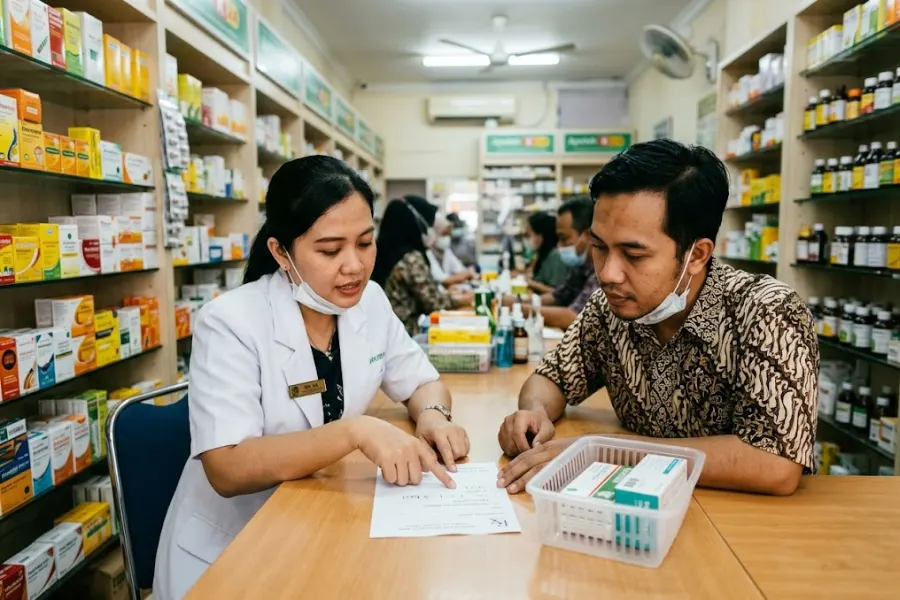
CBD retail needs tighter control than standard retail. You’re managing regulated inventory, age-gated products in some markets, frequent product variations (tinctures, gummies, topicals), and customers who expect fast checkout and clear guidance. ConnectPOS supports this environment with specialized POS features built for consistency across stores and online channels.
- Real-time inventory sync: Stock stays aligned across stores and online channels.
- Variant-ready catalog: Manage format, potency, size, and brand cleanly for faster checkout.
- Batch/lot-style tracking support: Track batches for easier quality control and faster action during recalls (where required).
- Age-gated checkout workflows: Add prompts and checks for age-restricted items based on local rules.
- Product compliance fields: Store key details like THC threshold, source (hemp vs cannabis), and lab report references to keep listings consistent.
- Multi-store POS control: Central pricing and promos, with store-level tracking.
- Omnichannel orders: Click and collect, delivery, and cross-channel returns.
- Reporting: Sales, margins, and product performance by category, location, and staff.
Conclusion
If you’re asking what CBD is, the simplest answer is: CBD is a non-intoxicating compound from Cannabis sativa. The practical answer is: CBD sits inside a legal and regulatory framework shaped by THC limits, plant source (hemp vs marijuana), and product testing standards.
If you’re planning to launch or scale a CBD retail setup with tighter inventory control and compliant omnichannel workflows, contact ConnectPOS to discuss your requirements and see how the platform fits your market.
►►► Optimal solution set for businesses: Shopify POS, Magento POS, BigCommerce POS, WooCommerce POS, NetSuite POS, E-Commerce POS