Managing an apparel store often looks simple from the outside, yet the real work behind it moves much faster. Long variant lists, constant stock shifts, and shoppers who expect a smooth flow create real pressure. In this guide of ConnectPOS, we’ll show you the Top 3 apparel store POS system reviews so you can choose a setup that matches your daily rhythm and supports steady growth.
Highlights
- The best systems support strong inventory control, flexible payments, clear reporting, and helpful clienteling tools for better shopper experiences.
- Each POS option strengthens a different part of fashion retail, so the best choice depends on store size, catalog volume, and the level of in store service a brand wants to deliver.
What Makes an Apparel Store POS System Different?
Fashion retail moves fast, and the pressure grows even more when you look at how shoppers behave online. Statista notes that fashion now accounts for about 20% of all online shopping in the United States, reaching around $238 billion in spending in 2024. This shows how intense the competition has become.
SKU lists are longer in fashion. One item can turn into dozens of variations once size, color, and fabric come into play. According to McKinsey’s State of Fashion 2025 report, more than 60% of fashion executives now say demand forecasting and inventory management are their top supply chain priority. A strong apparel POS keeps these details tidy so staff do not waste time searching for the right option. This setup also lowers mistakes during busy hours when teams juggle long lines.
- Checkout speed matters more in apparel than many other sectors. Shoppers pick items in batches, switch sizes, or adjust outfits at the last minute. A slow or clunky POS breaks the flow. Stores that run a quick scan and pay process see shorter lines and happier customers.
- Real time stock visibility also keeps stores on track. Many apparel brands run more than one location, and stock moves fast between them. The team needs to know what is selling, what is running low, and what is still sitting in the back room. A system that updates instantly supports smarter decisions each day.
- Clienteling adds another layer. Shoppers often want ideas, guidance, or recommendations. A POS that keeps past orders, sizes, and style notes helps staff make better suggestions. This level of care builds trust and encourages repeat visits, which many apparel brands rely on for steady revenue.
See more articles: Apparel – Clothing Store POS & Inventory Software
Key Criteria for the Best Apparel Store POS System
Apparel stores deal with quick shifts in demand, so the right system must stay steady even during busy rush hours. A strong setup keeps daily tasks simple while giving teams the clarity they need to act fast. These points shape how well a POS supports real growth for fashion retailers.
- Variant and bundle management: A good system keeps size, color, and style variations organized. This helps staff find the right item without slowing down the line.
- Multi-channel sync: The system should keep online and store data aligned. Shoppers move between channels, so clean updates through a strong multi-store POS setup prevent order mistakes.
- Inventory accuracy and stock alerts: Real-time updates through inventory management software help teams spot gaps early. Stores avoid missed sales when they catch low stock before it becomes a problem.
- Customer profiles and loyalty tools: A POS that records size preferences, past outfits, and purchase habits through CRM POS and loyalty program POS features helps staff guide shoppers better. This support keeps customers coming back.
- Payment flexibility: Shoppers expect simple choices like split payments or digital wallets. A POS that supports these options helps the checkout stay quick.
- Reporting and clear insights: Strong reports through report & analytics show top sellers, weak items, and store patterns. This helps managers plan orders with more confidence.
- Integration with eCommerce, CRM, and ERP: A connected system keeps teams from switching between tools. Stores cut mistakes when data stays clean across every platform.
These criteria help apparel retailers judge which POS fits their pace and scale. A system that meets these needs builds a smoother day and a stronger selling rhythm for the whole team.
Top 3 Apparel Store POS System Reviews: ConnectPOS, Lightspeed & Mercaux
Fashion stores often search for a system that can keep up with busy floors, quick stock changes, and shoppers who want smooth service. Many teams test a few options before finding a setup that matches their pace. This section focuses on the best apparel store POS system reviews that show clear strengths for fast growing apparel brands.
ConnectPOS Review
ConnectPOS supports apparel stores that manage long variant lists, busy foot traffic, and steady online orders. The layout stays clean even when stock changes quickly, which helps staff stay confident during peak hours. Many retailers choose it because it connects eCommerce and store activity in real time without adding extra steps to daily work. It also offers dedicated Shopify POS, Magento POS, BigCommerce POS, and WooCommerce POS options that give fashion brands a fully connected setup where online orders, store activity, and real time inventory all run in one unified flow
Key Features
ConnectPOS brings tools that fit the rhythm of fashion retail. The system helps teams manage complex inventory while keeping checkout smooth. These tools also support stores that switch between online and store activity many times a day.
- Variant and bundle control: Size, color, and material variations stay organized under each item. Staff find the right product without searching through long lists.
- Real time syncing: Orders, returns, exchanges, and stock movement update instantly across every channel. This lowers the chance of overselling and keeps shoppers confident in item availability.
- Mobile POS and self checkout: Staff can check out customers anywhere on the floor. Self-Service checkout stations support rush hours and help reduce long lines.
- Flexible payments: Split payments, wallets, loyalty points, gift cards, and store credits stay simple to handle. Shoppers finish their purchase faster with more payment choices.
- Custom receipts and permission control: Managers set clear access levels for staff and adjust receipts to match brand style. This keeps sensitive information safe and daily tasks organized.
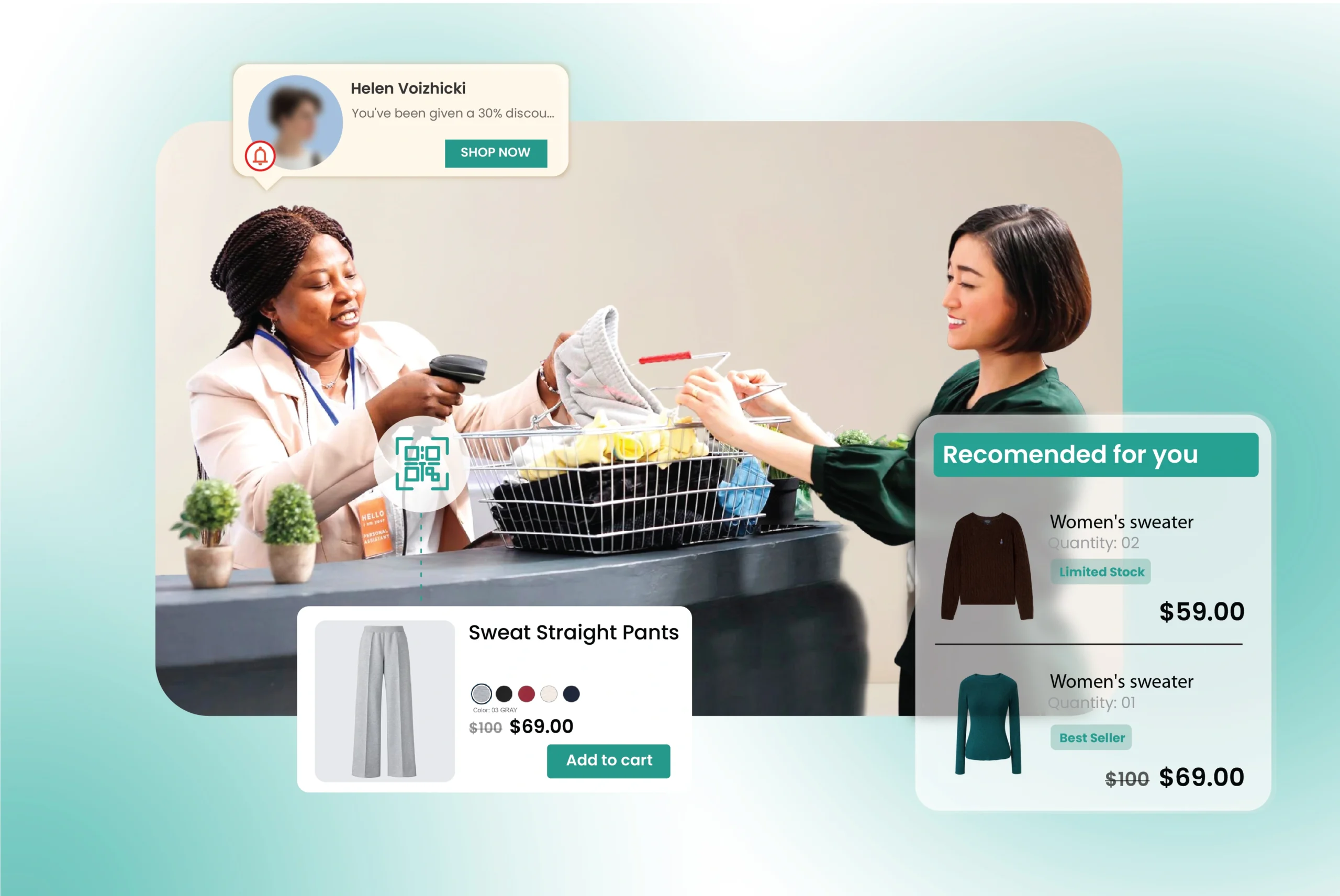
- Customer profiles and suggestions: The system stores past orders, size details, and shopper notes through CX Solution and CRM POS features. Staff use these profiles to suggest matching pieces or build outfits that fit each customer’s style.
Strengths for Apparel Stores
ConnectPOS has become a common pick for fashion retailers because it fits stores that need speed and accuracy. The tools support busy floors, large catalogs, and strong customer service without slowing down the team.
- Strong control for large catalogs: The system handles many variants under one item, which keeps stock checks simple. Staff track items faster even during heavy traffic.
- Smooth omnichannel flow: Online orders, store pickups, and returns stay linked. Teams do not switch tools or recheck numbers when handling mixed channel orders.
- Fast checkout flow: Quick scanning and clean payment screens shorten waiting time. Stores that face weekend rushes gain more control over long lines.
- Clienteling support: Staff see past purchases and size history, so they recommend outfits with more confidence. These personal touches encourage repeat visits and stronger loyalty.
- Trusted by apparel brands: ConnectPOS supports Store 1892, PayPorte, and JAT Clothing. These brands rely on it to keep stock data steady and manage fast moving floors.
Retailers that want to reduce manual work can also connect their POS with retail Automation flows to keep repetitive tasks running in the background.
Limitations
Some apparel stores want deeper regional settings for tax or local rules. These adjustments are possible but may require setup help. New users may also need quick guidance to arrange more advanced flows.
Pricing
- Standard – $49/register: Core tools for product control, orders, payments, and reporting.
- Advanced – $79/register: Includes cart management, stronger inventory control, second screen, and loyalty support.
- Premium – $99/register: Adds stock transfer, multi source inventory, multi currency, and full omnichannel flow.
- Enterprise – Custom quote: Includes consultants, onboarding, API guidance, and support for brands with 100 or more stores.
ConnectPOS brings steady support for apparel brands that want a clean setup and real time operations. Many stores pick it because it keeps daily work simple and quick while supporting both small shops and wide retail chains.
Read more: How Zara’s Smart Apparel POS System Drives Success in the Fast Fashion Industry
Lightspeed Review
Lightspeed attracts apparel stores that deal with fast product updates and wide item lists. Many retailers choose it because the system handles detailed stock work and supports stores that add new items each week. The setup gives teams more control over product data and helps them track store performance with clearer numbers.
Key Features
Lightspeed brings tools that help retailers manage constant product changes. The system supports stores that rely on detailed stock rules and steady catalog updates.
- Preloaded item catalogs: Lightspeed includes over eight million SKUs in its database. Stores add products faster without creating each item from scratch.
- Bulk uploads and vendor tools: Teams upload long product lists in one step. Vendor management tools also help track supply and restock cycles.
- Multi-location support: Stores manage stock for several branches in one place. Managers see each location’s levels without switching tabs.
- Loyalty and CRM tools: The system keeps customer data organized so staff can build stronger relationships. Shoppers also earn points that bring them back.
- Deep reporting: Sales, inventory, and staff performance reports show clear patterns. Managers use these numbers to plan ordering cycles.
- Built in eCommerce: Lightspeed’s online store tools help brands expand to digital channels. SEO tools help increase visibility for product pages.
Strengths for Apparel Stores
Lightspeed fits stores that focus on large catalogs and seasonal product lines. Teams that refresh collections often find the setup helpful.
- Fast item setup for new products: The preloaded catalog helps stores launch new arrivals with less work. This saves time during peak seasons or sale events.
- Strong support for large SKU libraries: Retailers that carry many styles across colors and sizes stay more organized. Lightspeed keeps item structure clear for staff.
- Helpful analytics for trends: Reports highlight rising styles or slow items so managers react faster. Stores that track seasonal trends find this useful.
- Smooth online reach: Lightspeed’s tools support online marketplaces and social shopping. This helps apparel brands expand their reach without switching systems.
Limitations
Lightspeed’s price increases when stores add more registers or locations. Some retailers also note extra fees for third party payment processors. Reporting tools are strong but may feel complex to new users until they adjust to the layout.
Pricing
Lightspeed’s retail POS plans include three tiers.
- Basic – $89 per month
- Core – $149 per month
- Plus – $289 per month
Annual billing usually lowers overall cost. Restaurant and Golf plans are separate and do not apply to apparel retailers.
Mercaux Review
Mercaux appeals to apparel brands that want a richer in-store experience. The system focuses on guided selling, styling, and digital tools that help staff connect with shoppers on a deeper level. Many fashion chains choose it when they want a modern setup that supports both high-touch service and strong product visibility.
Key Features
Mercaux centers its tools around smart selling. Stores that value styling advice and interactive experiences often find these tools helpful for their daily flow.
- Clienteling for styling and guidance: Staff use digital lookbooks, shopper notes, and past purchases to guide customers through outfits. This support helps create a more personal visit.
- Mobile POS and BYOD support: Teams can check out shoppers anywhere on the floor. Staff can even use their own devices, which speeds up deployment.
- Real-time inventory visibility: Every store in the network sees current stock levels. Teams check availability without walking to the back room.
- Interactive in-store tools: Kiosks and digital screens help shoppers explore styles, view product details, or browse sizes that are not on the rack.
- Omnichannel journeys: The system supports O2O activity, remote selling, and appointment shopping. This keeps shoppers engaged no matter where they start their visit.
Strengths for Apparel Stores
Mercaux fits apparel brands that view the store floor as a place for inspiration. The tools help staff create a guided experience rather than a simple transaction.
- Ideal for premium retail service: Stores that spend time on styling sessions and personal advice gain more control. Associates can build curated looks that fit each shopper’s taste.
- High-touch selling tools: Guided selling screens help staff show outfit ideas or mix and match items. This makes fashion discovery easier for customers.
- Great for digital transformation: Chains that want modern store experiences use Mercaux to bring digital elements into physical spaces. The blend feels fresh for shoppers.
- Helpful for boosting sales: Curated outfits and styling hints often increase order size. Shoppers feel more confident when they see complete looks.
Limitations
Mercaux takes a deeper setup compared to traditional POS systems. The first phase may involve training and design work before the tools feel natural. It also requires a higher initial investment, which fits better for mid sized or large retail chains. Stores with no clear omnichannel plan may not use its full strength.
Pricing
Mercaux follows a custom pricing model. The final cost depends on the modules a brand chooses, how many stores they run, and the level of consultation needed. Apparel retailers must contact Mercaux directly to receive a full quote that matches their growth plan.
See more articles: Become a ConnectPOS White Label POS
ConnectPOS vs Lightspeed vs Mercaux: Which One Fits Your Apparel Store?
Choosing the right POS becomes easier when the strengths of each system sit next to each other. Apparel stores run on fast decisions, so the right setup should match the store’s pace rather than slow the team down. Each system in this group supports a different part of fashion retail, which shapes the final choice for many brands.
We put together the table below so you can see how these systems compare in daily store work.
| Criteria | ConnectPOS | Lightspeed | Mercaux |
| Inventory | Strong variant control, fast sync, multi store tracking | Large catalog support, bulk imports, detailed stock tools | Real time visibility, item lookup across stores |
| Omnichannel | Unified online to offline flow, click and collect, ship from store | Smooth eCom connection, multi location sync | Strong O2O journey, digital in store touchpoints |
| Payment Flexibility | Wide mix of methods, split payments, wallets | Built in payments or third party with fees | Mobile checkout tied to in store experience |
| Reporting | Clear retail focused insights | Deep analytics for stock and sales | Engagement, staff performance, clienteling insights |
| Clienteling | Cross sell suggestions and loyalty tools | Basic CRM and loyalty | Advanced clienteling, styling, guided selling |
| Pricing | Scalable and predictable | Higher tiers and added fees for third party processors | Custom pricing with higher first step |
Smaller apparel boutiques often choose ConnectPOS first. Stores that handle many variants per item rely on the clear product structure and real time syncing. Checkout stays quick even during weekend rushes, which helps brands keep shoppers happy. The short setup time also appeals to teams that want speed without long training sessions.
Lightspeed fits stores with large SKU lists and frequent updates. Retailers that add new arrivals every week find the preloaded catalog useful. It cuts setup time and helps staff keep product details clean. The deeper analytics also support managers who track seasonal trends and want more control over stock levels.
Larger chains often turn to Mercaux because it strengthens the in store journey. Associates use styling tools, digital screens, and guided selling to create curated experiences. This direction works well for premium brands that want rich customer interactions instead of simple checkout flows.
Lightspeed stands out for stores that manage high SKU volume. Mercaux fits brands that rely on styling and guided selling for higher order values. For clean omnichannel control across online and store activity, ConnectPOS is often the most reliable path.
Read more: Become a White Label POS Today with ConnectPOS
Final Thoughts
The right POS shapes how smoothly an apparel store runs each day. Our best apparel store POS system reviews show that each option supports a different strength, yet the goal stays the same, which is to keep stock clean, checkout quick, and shoppers confident in every visit. Fashion retailers that want steady growth often choose tools that match their pace instead of adding extra steps.
ConnectPOS supports this approach with clear controls, strong variant management, and real time syncing across every channel. If you want a smoother path forward for your store, you can contact us for guidance.
FAQs
1. What makes a POS system good for apparel stores?
A good POS system handles size and color variants, tracks stock in real time, and keeps checkout fast. It should also support online to offline selling and help staff find items quickly.
2. Do apparel stores need a POS with variant support?
Yes. Clothing comes in many sizes, colors, and styles. A system that manages variants well saves time and cuts errors during stock checks and order handling.
3. How important is omnichannel support for fashion retailers?
Very important. Many shoppers move between online browsing and in store pickup. A strong omnichannel setup keeps stock synced and avoids overselling.
4. Should apparel stores look for built in clienteling tools?
It helps. Clienteling lets staff suggest outfits, track shopper preferences, and build stronger repeat visits. It makes the in store experience feel more personal.
5. What kind of reporting should an apparel POS provide?
You need clear reports on sell through rates, top items, slow movers, and peak hours. Good reports help you plan reorders, adjust displays, and decide what to stock next.
►►► Optimal solution set for businesses: Shopify POS, Magento POS, BigCommerce POS, WooCommerce POS, NetSuite POS, E-Commerce POS