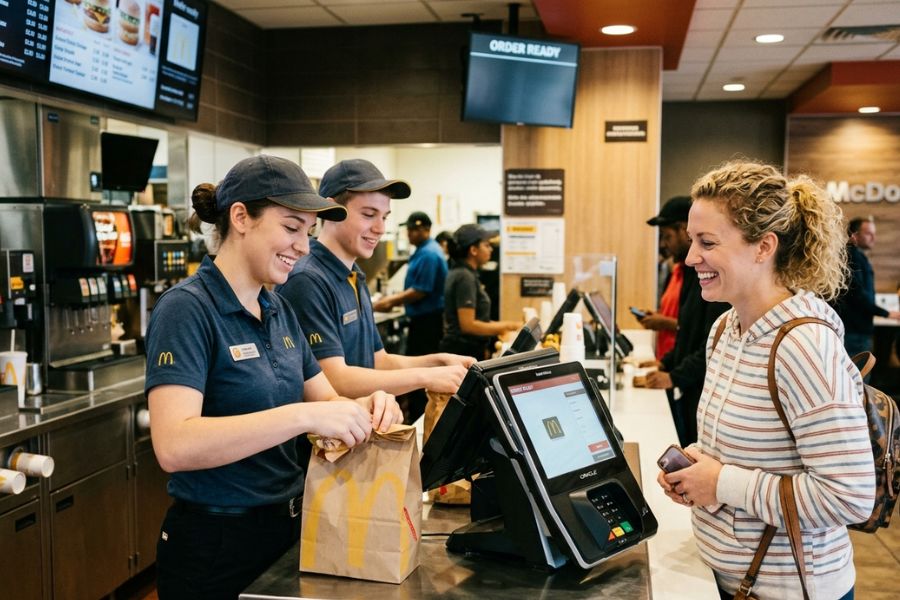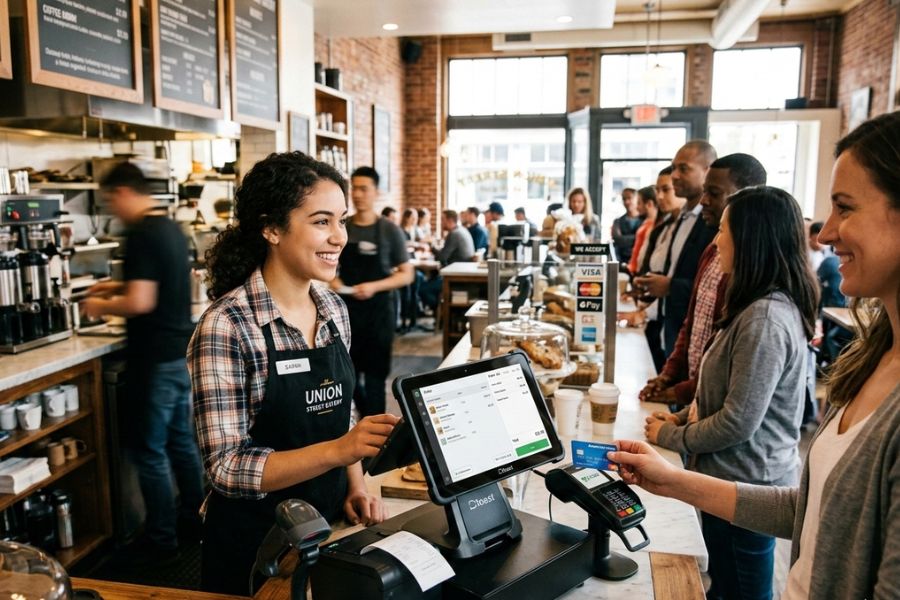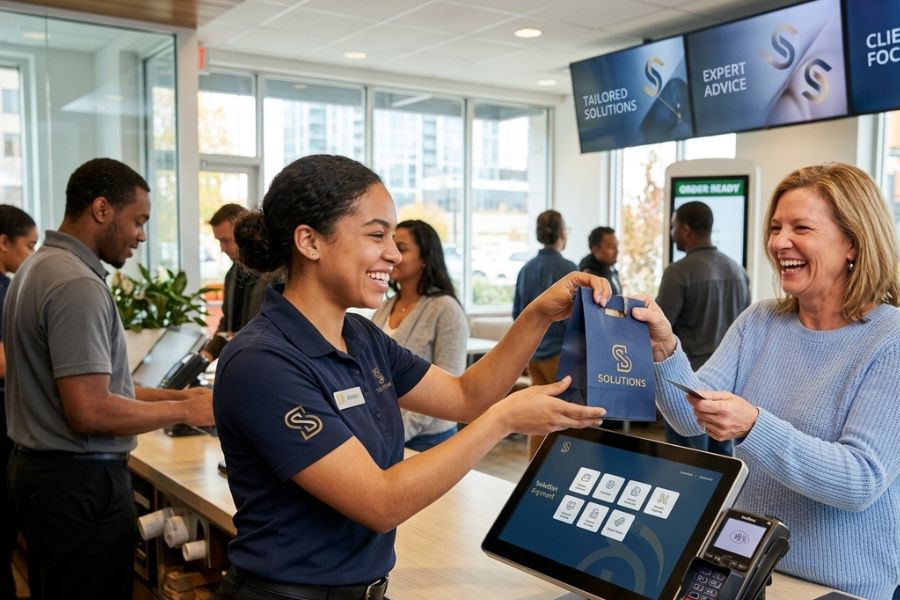
Retail and hospitality teams across the US feel growing pressure at the counter. Sales move faster, data must stay accurate, and compliance rules tighten across channels. Many POS setups struggle once volume rises or shopping habits change. In this guide, we’ll focus on the key priorities in POS systems software in the US and how to recognize platforms that keep pace with modern operations.
Highlights
- Cloud access, intelligent reporting, and strong security help POS systems stay stable, responsive, and ready to scale across channels
- Inventory, orders, payments, and customer data remain core foundations, even as technology and buying behavior continue to shift
POS Systems Software in the US Is Changing Fast
Retail and hospitality operations across the country now run under very different conditions than they did even a year ago. We’ll show you what has changed, why older setups fall short, and how modern POS tools for American retailers are shaped by new pressures from both customers and regulators.
In Q3 2025, ecommerce made up 16.4% of total U.S. retail sales, so even “in-store” work now depends on digital orders and accurate system data. In the Federal Reserve’s 2024 Diary summary, credit cards accounted for about 32% of payments, debit cards for 30%, and cash for 16%. This is why checkout systems have to support many payment types with fewer errors.
- Retail and hospitality operations look different after 2024: Stores handle more online orders, in-store pickups, and mixed payment flows. Point-of-sale platforms in the United States now sit at the center of daily operations, not just at the counter. For example, NRF reported that 46% of shoppers planned to finish holiday shopping online on Super Saturday in December 2025. This figure shows how often orders now start online even when pickup happens in person.
- Customers expect speed and visibility at every step: Shoppers notice delays, pricing gaps, and stock errors faster than before. Retail POS software used across the US must surface accurate data instantly to keep trust intact.
- Legacy systems struggle to keep up: Older setups rely on manual updates and isolated data. These limits show up during peak hours, outages, or expansion into new locations. In one Uptime Institute survey summary, 54% of operators said their most recent significant outage cost more than $100,000. Weak reliability can turn into real losses fast.
- Technology and regulation shape buying decisions: Cloud access, smarter reporting, and payment compliance now influence POS choices. US-based POS solutions must balance flexibility with strict security rules. PCI SSC notes that 51 of the 64 new PCI DSS 4.0 requirements become effective on March 31, 2025, so compliance is no longer something teams can postpone.
These shifts explain why choosing the right platform matters more than ever. The next step is understanding which capabilities help POS software stay reliable as operations grow.
Read more: Best POS System Comparison US in 2026: Features, Pricing, Integration, and Scalability
Core Capabilities to Look for in POS Systems Software in the US in 2026
As expectations rise, choosing the right platform becomes less about basic checkout and more about how the system supports daily decisions. We’ll break down the core capabilities that define POS systems software in the US today, starting with how these tools are built and how they process information. Each capability ties back to real operational pressure, not abstract ideas, and shows what separates flexible POS software for US businesses from setups that slow teams down.
Cloud and System Architecture
Modern point-of-sale platforms in the United States rely on cloud-based or hybrid setups to stay accessible and stable. Cloud models give teams real-time access across locations, while hybrid designs keep stores running during network issues.
Flexera’s 2024 State of the Cloud survey found 89% of organizations use a multi-cloud approach. Retailers therefore push for systems that stay connected across tools and vendors.
Offline mode is important when sales continue but connections drop. Once systems reconnect, data syncs back without manual work. Owners and managers can check sales, stock, or staff activity remotely. Centralized control also keeps pricing, inventory, and permissions aligned across every store, especially for teams scaling into a multi-store POS environment.
AI and Intelligent POS Capabilities
Smarter POS tools for American retailers now rely on AI to read patterns hidden in daily transactions. Sales trends help predict demand before shelves run low. Inventory signals guide restocking without guesswork. Customer behavior at checkout reveals what sells together or stalls. McKinsey estimates that generative AI could add $240 billion to $390 billion in value for retail, driving stronger demand for POS systems that turn raw sales data into clear, usable actions.
AI-powered reports replace static summaries with clear signals teams can act on. Instead of scanning spreadsheets, you see where performance shifts and why. This kind of intelligence turns the software from a record keeper into a planning aid.
Compliance, Security, and Data Protection
Security expectations around POS systems software in the US now shape buying decisions as much as pricing or features. Payment processing must align with PCI DSS rules to protect card data at every step. Encryption shields transactions from the moment a card is tapped.
Role-based access keeps staff limited to what they need, nothing more. Managers see broader controls without risking exposure. Audit logs also matter. Every action leaves a clear trail, which helps teams review issues, settle disputes, and stay aligned with US compliance standards.
Real-time Inventory and Order Management
Inventory errors cost sales and trust, which is why modern POS software for US businesses treats stock data as live, not delayed. Real-time tracking updates levels after each sale, across every location. Product variants and SKUs stay organized, even as assortments grow. IHL Group estimated that the total cost of inventory distortion, including out-of-stocks and overstocks, reached $1.7 trillion in 2024, making “close enough” inventory data no longer acceptable.
Alerts flag low stock before shelves empty. Omnichannel visibility keeps online and in-store counts aligned. Returns, exchanges, and stock transfers follow the same flow, so teams avoid manual fixes and mismatched numbers during busy periods. This gets easier when the POS pairs with dedicated inventory management software and reliable Order Fulfillment workflows across channels.
Customer Management and Loyalty
Retail POS software used across the US now ties customer data directly into checkout. Built-in CRM POS tools store profiles and purchase history inside the system. That context helps staff recognize repeat buyers and adjust service on the spot. NielsenIQ found that 72% of consumers expect retailers to know them on a personal level. Loyalty tools work best when they are connected to real checkout behavior.
Loyalty points and tier programs run automatically, without extra steps at payment. Personalized promotions apply at checkout, based on real behavior rather than guesswork. Over time, these tools turn everyday transactions into consistent, repeat engagement.
Payments and Checkout Flexibility
Checkout expectations keep rising across POS systems software in the US, especially as payment habits shift. Credit and debit cards remain standard, but contactless taps and mobile wallets now move lines faster. Buy Now Pay Later options help larger purchases feel lighter at the counter.
Adobe reported that BNPL drove $1.03 billion in online spend on Cyber Monday 2025, with 79.4% of BNPL transactions taking place on mobile. Many retailers now see the same pattern at checkout, with more flexible payments happening on smaller screens and far less patience for friction.
Split payments are important when customers mix cards, cash, or wallets. Refunds and digital receipts also need to stay simple. When the system handles these flows cleanly, checkout feels quick instead of stressful, even during busy hours.
Mobility and Frontline Usability
POS tools for American retailers no longer live only behind fixed counters. Mobile and tablet-based checkout lets staff meet customers where they are. During peak periods, this shortens lines and keeps sales moving. Curbside pickup, pop-up stores, and event selling rely on the same mobility.
A clear interface also plays a big role. When screens stay intuitive, new hires learn faster, and teams spend less time asking for help. The software supports service, not the other way around.
Integration and Scalability Readiness
Growth plans often fail when POS software for US businesses cannot connect or scale. Integration with ecommerce platforms keeps inventory and orders aligned across channels, whether you run on Shopify POS, Magento POS, BigCommerce POS, or WooCommerce POS.
Accounting and ERP connections prevent manual data entry later. Marketing and automation tools rely on clean sales data to trigger campaigns. As store counts grow, the system should handle new locations without rebuilds. Open APIs also play a role. They allow future extensions when operations expand beyond today’s needs.
How to Evaluate POS Systems Software in the US Before Choosing
Once the core capabilities are clear, the focus shifts to decision-making. We’ll walk you through how to judge POS systems software in the US using practical checks that reflect how stores actually operate. The goal is simple. Pick a system that fits today and still works when volume, locations, or channels change.
- Business size, industry, and growth direction: Start with how you run today and where you plan to go. A single-location café and a multi-store retailer need different setups. POS software for US businesses should match that reality, not fight it.
- Must-have versus optional capabilities: Separate daily needs from nice extras. Inventory accuracy, payment handling, and reporting usually sit at the top. Optional tools can wait if they add cost or complexity without clear value.
- Offline reliability and report accuracy: Test how the system behaves during outages. Sales should continue, then sync back cleanly. Reports must reflect real activity, not partial data that needs manual fixes later.
- Total cost beyond the monthly fee: Subscription pricing rarely tells the full story. Hardware, integrations, support tiers, and future expansion affect long-term spend. Retail POS software used across the US often varies widely here.
- Vendor support and product direction: Look at update frequency, support response, and product roadmap. US-based POS solutions work best when the provider keeps pace with regulation and payment changes.
A careful review helps you move from comparison to confidence. When the platform fits your operation, daily work feels smoother and growth stops feeling risky.
Read more: POS System on iPad in the US: How to Optimize for Your Business?
ConnectPOS: Your Reliable POS Systems Software in the US
After reviewing the core capabilities that define modern POS systems software in the US, it helps to see how those requirements come together in a real platform. ConnectPOS is designed to reflect those exact priorities, from cloud architecture and advanced reporting to compliance, integrations, and long-term scalability.
- Cloud and hybrid architecture that matches real operations: The system runs on a cloud-first setup with offline selling built in. Transactions continue during network issues and sync automatically once connectivity is restored, aligning with the need for resilient POS infrastructure.
- Analytics and reporting that support decision making: Sales performance, inventory movement, and staff activity are tracked in real time. Reports are structured to support forecasting, trend analysis, and smarter operational planning.
- Security and compliance built into everyday workflows: Payment processing follows PCI standards, while role-based permissions control access by staff role. Transaction logs and activity records support audits and internal accountability.
- Inventory and order management across channels: Stock updates instantly after each sale, whether in-store or online. Product variants, transfers, returns, and exchanges stay visible in one system, reducing gaps between channels.
- Customer data and loyalty handled at the point of sale: Customer profiles, purchase history, and loyalty rules remain accessible during checkout. This supports consistent pricing, targeted promotions, and repeat business strategies.
- Payment flexibility without added complexity: The platform supports cards, contactless payments, mobile wallets, and split transactions. Checkout stays fast while meeting changing payment expectations.
- Mobility that supports frontline service: Tablet-based POS allows staff to assist customers anywhere on the floor, during peak hours, or at pop-up locations. The interface stays simple to reduce training time.
- Integration and scalability aligned with long-term growth: ConnectPOS links with ecommerce platforms, accounting systems, ERP, and CRM tools. Open APIs support future expansion as operations grow from single stores to enterprise scale.
These capabilities mirror the core requirements outlined earlier in this guide. ConnectPOS shows how one system can deliver cloud access, intelligence, compliance, and scale in one consistent setup, while supporting a stronger CX Solution at the point of sale.
Read more: What is POS System in Retail in USA?
FAQs: POS System Software in the US
What is POS system software in the US?
POS system software in the US refers to platforms that manage sales, payments, inventory, and customer data in real time. Modern systems go beyond checkout and support reporting, compliance, and multi-location operations.
Is cloud-based POS system software common in the US?
Yes. Cloud-based POS systems are now the standard in the US. They allow remote access, automatic updates, and real-time syncing across stores, while many also support offline selling during network outages.
What compliance requirements should POS system software in the US meet?
POS systems in the US must support PCI DSS compliance for secure card payments. Strong encryption, role-based access, and detailed transaction logs are also expected to protect customer and business data.
Can POS system software in the US support both online and in-store sales?
Most modern POS platforms support omnichannel operations. They sync inventory, orders, and customer data between ecommerce and physical stores, helping businesses avoid stock mismatches and manual reconciliation.
How do businesses choose the right POS system software in the US?
Businesses usually start by assessing store size, industry needs, and growth plans. Key factors include cloud reliability, reporting quality, payment flexibility, integrations, scalability, and total cost over time.
Final Thoughts
Choosing the right POS systems software in the US now shapes how smoothly your business runs tomorrow. The right platform supports daily sales, keeps data accurate, and stays steady as operations grow. Cloud access, smart reporting, strong security, and flexible integrations all play a role in long-term confidence. When these elements work together, teams spend less time fixing issues and more time serving customers. If you are reviewing options or planning your next step, feel free to contact us to discuss how a modern POS setup can support your goals.
►►► Optimal solution set for businesses: Shopify POS, Magento POS, BigCommerce POS, WooCommerce POS, NetSuite POS, E-Commerce POS