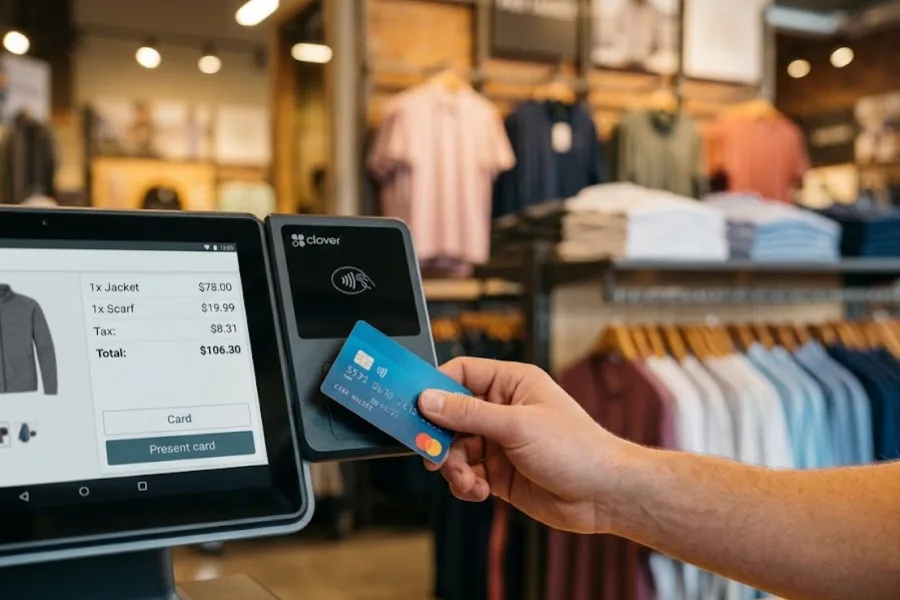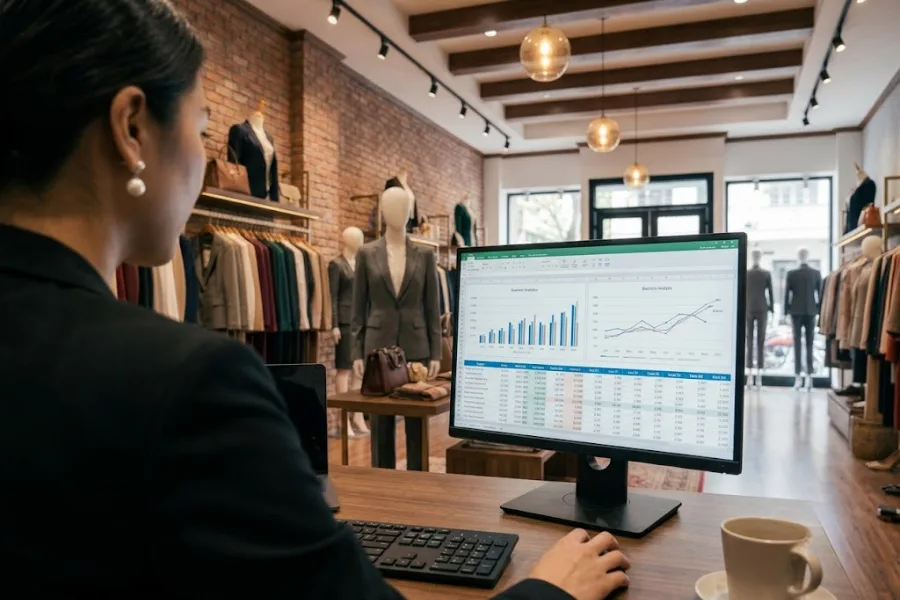
Retail is no longer limited to a single sales channel. Customers expect a smooth experience whether they shop in-store, online, or through mobile devices. This shift has made it essential for businesses to adopt point of sale platforms that connect every touchpoint in one system. A modern POS does more than process transactions. It brings together inventory, customer data, and sales reporting across all channels. With the right platform, retailers can gain real-time insights, improve operations, and deliver consistent shopping experiences that keep customers coming back.
Highlights
- Omnichannel POS platforms unify retail operations by integrating in-store and online sales, inventory, and customer data into a single system, helping businesses deliver consistent shopping experiences.
- Key features like real-time inventory, centralized reporting, and flexible order management enable retailers to improve efficiency, reduce errors, and meet modern customer expectations.
- Advanced reporting and data insights drive better decisions by giving retailers a clear view of performance, customer behavior, and inventory, helping optimize sales strategies and overall growth.
What Is an Omnichannel POS Platform?
An omnichannel POS platform is a system designed to support seamless retail operations across multiple sales channels. Omnichannel retail refers to a strategy in which businesses integrate in-store, online, and mobile shopping into a single, consistent customer experience. Instead of treating each channel separately, all data and interactions are connected.
Unlike traditional POS systems that mainly handle in-store transactions, an omnichannel POS goes further by syncing inventory, customer profiles, and orders in real time across every touchpoint. This means a purchase made online can be tracked, fulfilled, or returned in-store without confusion.
Retailers need this level of connection today because customers expect flexibility and convenience. At the same time, unified sales and reporting help businesses make faster decisions, reduce errors, and maintain accurate inventory. With everything in one place, retailers can better understand performance and deliver a smoother experience across all channels.
Key Features to Look for in an Omnichannel Point of Sale Platform
Choosing the right omnichannel POS platform starts with understanding the features that truly support connected retail operations. A strong system should help you manage inventory, orders, customers, and reporting in one place.
Below are the key capabilities that make a real difference.
Real-Time Inventory Synchronization Across Channels
Accurate inventory is the foundation of omnichannel retail. A good POS platform keeps stock levels updated instantly across all locations and sales channels.
When an item is sold online or in-store, the system reflects the change right away. This helps prevent overselling, reduces stock discrepancies, and ensures customers always see correct availability.
Unified Sales Dashboard and Reporting
Retailers need clear insights to make smart decisions. An omnichannel point of sale platform should provide a centralized dashboard to track sales performance across stores, websites, and other channels.
Instead of pulling reports from different systems, you get a complete view in one place, making it easier to analyze trends, monitor staff performance, and plan inventory.
Cross-Channel Order Management (BOPIS, Ship-from-Store)
Modern shoppers expect flexible fulfillment options. Features like Buy Online, Pick Up In Store (BOPIS) and ship-from-store allow retailers to meet these expectations.
An omnichannel POS coordinates orders across different channels and efficiently assigns fulfillment. This reduces delivery time, improves customer satisfaction, and helps stores make better use of available stock.
Integrated Customer Profiles and Loyalty Programs
Understanding your customers is key to building long-term relationships. An omnichannel POS collects customer data from every touchpoint and creates unified profiles. This allows retailers to offer personalized promotions, manage loyalty programs, and deliver consistent service, whether customers shop online or in-store.
Seamless Integration With E-commerce Platforms
A reliable POS platform should connect easily with popular e-commerce systems. This integration ensures smooth data flow between online and offline operations, including products, orders, and customer information.
With everything synchronized, retailers can manage their business more efficiently without relying on manual updates or disconnected tools.
How Omnichannel POS Platforms Improve Retail Sales
Omnichannel POS platforms directly impact how retailers sell, serve customers, and manage daily operations.
Delivering a Seamless Customer Shopping Experience
Customers expect a smooth journey across every touchpoint. An omnichannel POS ensures that pricing, product availability, and customer data stay consistent whether shoppers browse online or visit a store. This consistency builds trust and reduces friction, making it easier for customers to complete their purchases.
Enabling Flexible Fulfillment Options
Flexibility plays a big role in purchase decisions. With features like buy online, pick up in store, or home delivery, retailers can meet different customer needs. An omnichannel POS coordinates these options efficiently, helping businesses fulfill orders faster while improving convenience for shoppers.
Personalizing Promotions Across Channels
A connected system allows retailers to use customer data more effectively. Purchase history and preferences can be used to create targeted promotions that feel relevant to each shopper. These personalized offers encourage repeat purchases and increase overall customer lifetime value.
Reducing Stockouts With Centralized Inventory
Stock availability has a direct impact on sales. An omnichannel point of sale platform provides a centralized view of inventory across all locations, helping retailers avoid running out of popular items.
With better stock visibility and smarter allocation, businesses can meet demand more reliably and capture more sales opportunities.
The Role of Advanced Reporting in Omnichannel Retail
Advanced reporting is a key part of any omnichannel POS platform. With the right reporting tools, retailers can understand performance and make faster, more informed decisions.
Unified Sales Data Across Online and Offline Channels
An omnichannel POS brings together sales data from every touchpoint into a single system. Instead of reviewing separate reports for online and in-store sales, retailers can access a complete overview in one place.
Customer Behavior and Purchase Insights
Understanding how customers shop is essential for growth. Advanced reporting tracks buying patterns, preferences, and frequency across channels. Retailers can see which products are popular, when customers are most active, and what drives repeat purchases.
Store Performance and Inventory Analytics
Detailed reports allow retailers to evaluate how each store or location performs. Metrics such as sales per store, staff productivity, and inventory turnover provide a clearer picture of operations. With better visibility, businesses can adjust stock levels, improve merchandising, and allocate resources more effectively.
Using Data to Optimize Pricing, Promotions, and Stock
Data-driven decisions lead to better results. Retailers can use reporting insights to adjust pricing, plan promotions, and manage inventory more efficiently. For example, slow-moving products can be discounted, while high-demand items can be restocked quickly.
How ConnectPOS Supports Omnichannel Retail Sales and Reporting
To succeed in omnichannel retail, businesses need a point of sale platform that connects every part of their operations. ConnectPOS is designed to support this by combining flexibility, real-time data, and scalable technology in one unified system.
- Next-generation cloud POS with real-time synchronization: ConnectPOS keeps sales, inventory, and customer data up to date instantly across all channels. This ensures accuracy and helps retailers respond quickly to changes in demand.
- Multi-source inventory (MSI) across warehouses and stores: The system allows retailers to manage inventory from multiple locations in one place. Stock levels are visible and synchronized, making it easier to allocate products and avoid shortages.
- Seamless integration with e-commerce platforms: ConnectPOS works smoothly with platforms like Shopify, Magento, BigCommerce, and WooCommerce. This creates a consistent flow of data between online and offline channels without manual effort.
- Built-in advanced reporting and customer insights: Retailers can access detailed reports on sales, performance, and customer behavior. These insights support smarter decisions and more effective strategies.
- API-first, microservice architecture for scalability: The flexible system design allows businesses to customize and expand operations without disrupting existing workflows.
How to Choose the Right Omnichannel POS Platform for Your Retail Business?
Selecting the right omnichannel POS platform depends on how well it fits your current operations and future growth plans. A careful evaluation helps ensure you invest in a system that truly supports your retail strategy.
- Consider your business size and number of stores – Choose a solution that matches your scale, whether you run a single store or multiple locations.
- Evaluate integration capabilities – Make sure the POS can connect smoothly with your e-commerce platforms and other business tools.
- Assess inventory and reporting needs – Look for features that provide real-time stock visibility and clear, actionable reports.
- Look for scalability and customization options – A flexible system allows you to expand and adapt as your business grows without major disruptions.
FAQs: Point of Sale Platform
1. What is the difference between multichannel and omnichannel POS?
A multichannel POS supports selling across different channels, but each channel often operates separately. An omnichannel POS connects all channels into one unified system, allowing data such as inventory, orders, and customer information to sync in real time for a consistent experience.
2. Can small retailers benefit from omnichannel POS systems?
Yes. Even small retailers can improve efficiency and customer experience with an omnichannel point of sale platform. It helps manage sales from multiple channels, reduces manual work, and provides insights that support better decision-making as the business grows.
3. What types of reports should an omnichannel POS provide?
A strong system should offer sales reports across all channels, inventory tracking, customer behavior insights, and store performance analytics. These reports help retailers understand trends and optimize operations.
4. How does omnichannel POS help manage inventory across multiple locations?
It centralizes inventory data from all stores and warehouses into a single system. Stock levels update in real time, making it easier to track availability, transfer products, and avoid stockouts or overselling.
5. Is cloud-based POS better for omnichannel retail?
Cloud-based POS is often a better fit because it allows real-time data access, easy integration with other platforms, and scalability. It also enables retailers to manage operations from anywhere with minimal infrastructure.
In Conclusion,
Omnichannel retail requires more than just selling across multiple channels. It depends on having a point of sale platform that connects inventory, orders, customers, and reporting in one place.
Choosing a solution that supports flexibility, integration, and scalability is key to long-term success. ConnectPOS is built to meet these demands, helping retailers streamline operations and grow across every channel. If you’re looking to upgrade your retail technology and unlock true omnichannel potential, now is the time to take action. Contact ConnectPOS today to discover how it can transform your business.