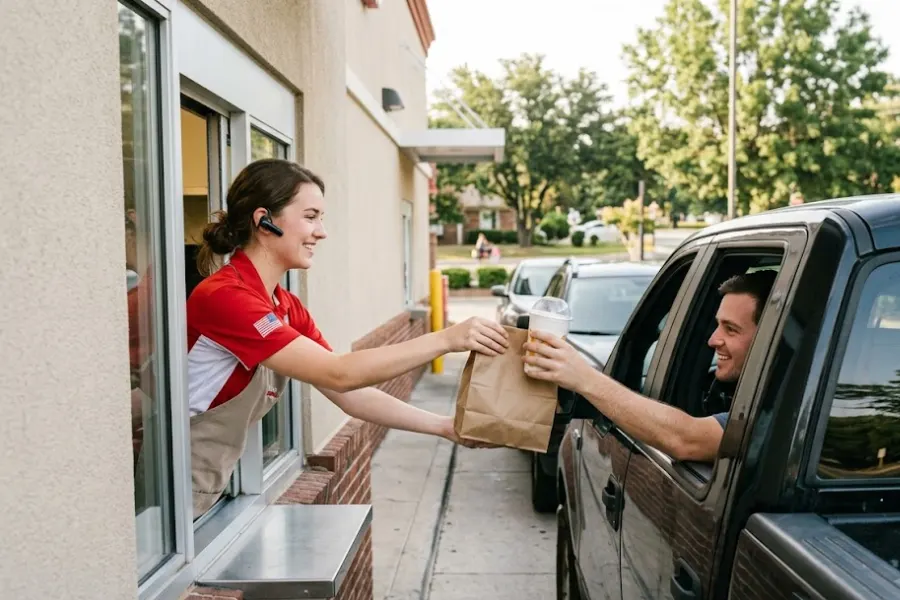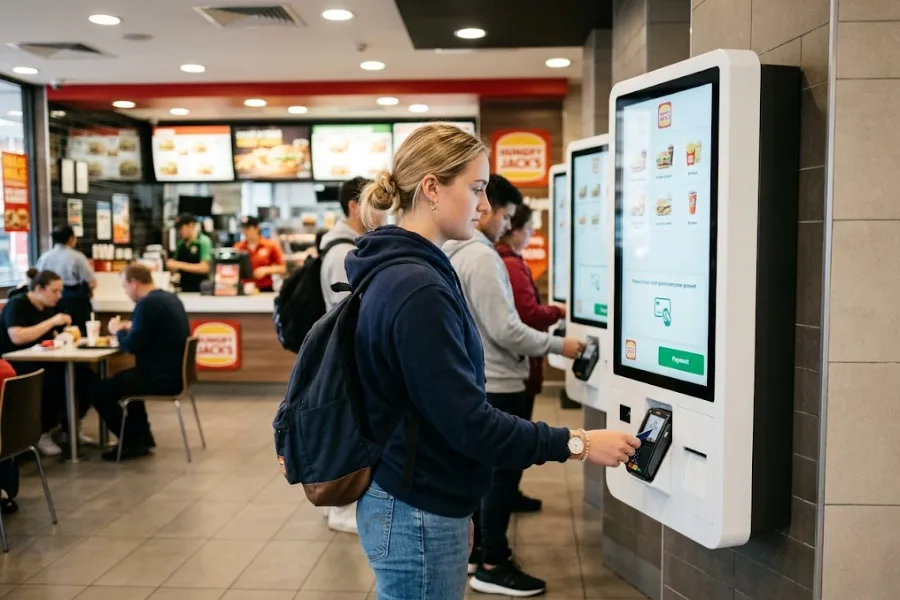
Free fast food POS software has become an appealing option for many fast-food businesses looking to control technology spending during the early stages of growth. Basic transaction processing, sales tracking, and order management capabilities can often meet the needs of small operations, making free solutions a practical starting point for restaurants with limited resources.
The challenge is determining how long a free POS system can support business goals before operational demands exceed its capabilities. As restaurants grow through new locations, delivery services, and larger inventories, technology requirements become more demanding. This article from ConnectPOS examines the limitations of free fast-food POS software and when it may be time to consider a more comprehensive solution.
Highlights
- Free fast-food POS software is available and can serve as a starting point for basic restaurant operations, including order processing, payment acceptance, and sales tracking for small businesses.
- Free software can serve as a starting point for growing restaurants, yet expansion often creates new operational requirements that exceed the scope of basic POS platforms.
Fast Food POS Software Free – Does It Exist?
Most completely free POS systems use one of the following business models to remain profitable:
- Payment Processing Fees: The software has no monthly subscription, but the provider requires you to use their built-in payment processor. They make their money by taking a small percentage (e.g., 2.6% + 10¢) of every credit card swipe.
- The “Freemium” Model: The core register and checkout functions are entirely free, but you are required to pay for necessary add-ons later, such as advanced inventory management, payroll, or loyalty programs.
- Hardware Costs: You can use the cloud-based software for free, but you might have to purchase the company’s proprietary card readers, kitchen display screens (KDS), or receipt printers.
Key Features You Can Get From Free Fast Food POS Software
While a free fast-food POS system won’t come with the enterprise-level automation of a paid subscription, it still provides the absolutely essential tools needed to operate a quick-service establishment smoothly.
These platforms are designed to eliminate manual pen-and-paper ordering, streamline front-of-house operations, and keep an accurate digital trail of your daily transactions. For startups, pop-ups, and small fast-food kiosks, the core functionalities available in standard free plans are usually more than enough to get up and running.
Core Functionalities Included in Free Tiers
- Basic Order and Checkout Management: The system transforms standard tablets, smartphones, or computers into digital touch-screen cash registers. It allows staff to take orders rapidly, handle cash or card transactions, and instantly print or email customer receipts. Many free options also support basic kitchen routing, pushing orders directly to a kitchen printer or a secondary screen to minimize communication delays.
- Simple Menu Configuration: Even on a free tier, restaurants can create a digital menu organized into categories such as burgers, sides, and beverages. Many free POS systems also include modifier management for order customization, including extra toppings, ingredient removal, and combo meal upgrades with automatic price adjustments.
- Basic Sales Reporting: Instead of wrestling with manual bookkeeping or spreadsheet logging at the end of a shift, free POS software automatically tracks financial data. It gives you access to a back-office dashboard where you can monitor daily or hourly sales totals, track cash drawer inputs/outputs, and identify your top-performing menu items to better understand consumer trends.
Limitations Of Free Fast Food POS Software
While free POS software can handle basic restaurant operations, its capabilities often become limited as business requirements grow. Understanding these limitations helps restaurant owners assess whether a free solution can meet long-term operational needs and business growth objectives.
Limited Scalability For Growing Restaurants
Free POS software can be an attractive starting point for newly established fast-food restaurants looking to keep technology costs low. For businesses with a single location and relatively low transaction volume, these systems may provide enough functionality for daily sales activities during the early stages of operation.
Challenges often emerge as the business expands. Opening additional locations, introducing new ordering channels, or handling a larger customer base typically requires stronger reporting, centralized management, and greater operational visibility. Many free solutions are not designed for these requirements, forcing restaurant operators to manage certain processes manually or rely on separate software tools.
Over time, these limitations can create inefficiencies across the organization. A platform that cannot accommodate growth may eventually require a complete system replacement, resulting in additional implementation costs, staff retraining, and potential operational disruptions.
Lack of Advanced Inventory Management
Inventory control directly affects profitability in the fast-food industry. Restaurants must monitor ingredient usage, track stock levels, manage supplier orders, and identify potential waste on an ongoing basis. Fast food POS software free often provides only basic inventory functionality, which may be sufficient for simple operations but becomes less practical as menu offerings expand.
Many free systems do not support ingredient-level tracking, automated stock deductions, purchase order management, or detailed inventory reporting. This can make it difficult for managers to determine which products generate excessive waste, which ingredients require replenishment, and how inventory costs impact overall business performance.
Without reliable inventory data, restaurants may experience stock shortages during peak periods or purchase more inventory than necessary. Both situations can affect profitability and customer satisfaction, particularly in fast-food environments where speed and product availability play a major role in the customer experience.
Weak Integration With Delivery Platforms
Online ordering and third-party delivery services have become a major source of revenue for many fast-food restaurants. Industry data shows that platform-to-consumer services accounted for more than 71% of the online food delivery market in 2024, reflecting the growing influence of delivery platforms on restaurant sales. Customers increasingly expect the convenience of placing orders through mobile applications and delivery marketplaces, making digital ordering channels an established part of restaurant operations.
Free POS software frequently provides limited integration with delivery platforms. In some cases, restaurant staff must manually transfer orders from external applications into the POS system. This additional step increases administrative workload and creates more opportunities for order errors, missed items, or delayed preparation.
As delivery order volume grows, disconnected systems can make operations more difficult to manage. Restaurants benefit from having all incoming orders consolidated within a single platform, giving staff greater visibility into order flow, preparation status, and fulfillment activities across sales channels.
Limited Loyalty And CRM Capabilities
Acquiring new customers often requires a larger investment than retaining existing ones. For this reason, many restaurant operators focus on loyalty initiatives and customer engagement programs that encourage repeat visits and stronger brand relationships.
Fast food POS software free systems typically provide limited access to customer relationship management functions. Features such as customer profiles, purchase history tracking, rewards programs, targeted promotions, and personalized marketing campaigns are often unavailable or restricted. As a result, restaurants may have difficulty gathering actionable customer insights or measuring the effectiveness of retention efforts.
The absence of loyalty and CRM tools can also affect long-term customer value. Research shows that loyalty members visit restaurants 22% more frequently each year than non-members and often spend more over time. Restaurants that cannot identify purchasing patterns or reward repeat customers may miss opportunities to strengthen customer relationships, increase visit frequency, and generate additional revenue.
How Far Can You Really Go With a Free POS System?
Fast food POS software free systems can serve as a practical starting point for small fast-food restaurants, food trucks, and newly launched businesses with straightforward operational needs. Basic functions such as order entry, payment processing, and simple sales reporting may be sufficient during the early stages, especially when transaction volumes remain relatively low.
The limitations often become more noticeable as the business expands. Managing inventory, integrating delivery channels, tracking customer behavior, and overseeing operations across locations typically requires capabilities that free platforms do not provide. For restaurants pursuing long-term growth, a free POS system can be a temporary solution, though it may eventually create operational constraints that limit efficiency and scalability.
How ConnectPOS Supports Growing Fast Food Businesses
As fast-food businesses expand across locations, service channels, and customer segments, operational management becomes more complex. ConnectPOS is built as a Quick Service POS for growing restaurant operations through a centralized platform that connects order processing, kitchen operations, inventory control, customer engagement, and business reporting within a single ecosystem.
The system helps restaurant operators maintain consistency and visibility as transaction volumes increase and operational requirements become more complex.
- Centralized Control Across Locations: ConnectPOS allows restaurant operators to manage sales, menus, inventory, and performance data across locations from one platform. This visibility helps businesses maintain operational consistency while expanding into new markets and service channels.
- Real-Time Inventory and Ingredient Tracking: The platform tracks raw-material consumption based on actual sales activity, giving restaurant managers greater visibility into inventory movement and purchasing requirements. Detailed inventory monitoring contributes to better cost control as transaction volume and menu complexity increase.
- Kitchen and Order Flow Management: Digital kitchen display integration routes orders directly to preparation stations and organizes them according to workflow requirements. This improves order accuracy and helps restaurant teams maintain service quality during peak operating periods.
- Customer Retention and Revenue Growth Tools: ConnectPOS includes loyalty program integration, customer purchase tracking, and smart combo recommendations during checkout. These capabilities help restaurants encourage repeat visits while identifying opportunities to increase average order value.
- Self-Service and Digital Ordering Capabilities: The system includes self-order kiosks, QR ordering, online ordering channels, and flexible payment methods within the same operational environment. This helps restaurants adapt to changing customer preferences while maintaining visibility across ordering touchpoints.
- Business Intelligence for Expansion Decisions: Real-time analytics provide visibility into sales trends, product performance, peak operating hours, and customer activity. Access to this data helps restaurant operators evaluate performance, identify growth opportunities, and make more informed expansion decisions.
FAQs About Fast Food POS Software Free
1. Is fast food POS software free suitable for a new restaurant?
Yes. Free POS software can be a practical option for startups, food trucks, and small fast-food restaurants with limited budgets. It can handle basic tasks such as order processing, payment acceptance, and sales tracking during the early stages of business operations.
2. What are the main limitations of free POS software?
Most free POS systems provide basic functionality but may lack advanced inventory management, delivery platform integrations, customer loyalty tools, detailed reporting, and multi-location management capabilities.
3. Can free POS software support restaurant growth?
Free solutions may be sufficient during the early stages of business growth, though many restaurants eventually encounter limitations as transaction volume increases or operational requirements become more complex. Expansion often requires stronger reporting, centralized management, and broader integration capabilities.
4. Is free POS software secure enough for fast-food restaurants?
Security levels vary by provider. Restaurant owners should review data protection practices, payment security standards, user permissions, and system update policies before adopting any POS platform, including free solutions.
5. Can free POS systems integrate with online ordering and delivery apps?
Some free POS platforms provide limited integrations, while others require manual order entry. Restaurants that rely heavily on delivery channels may benefit from a POS system that connects directly with third-party ordering platforms.
Conclusion
Fast food POS software free can handle many of the day-to-day requirements of a small fast-food restaurant, particularly during the early phases of operation. Yet growth often introduces new demands related to inventory management, customer retention, reporting, integrations, and multi-location oversight. At that stage, the limitations of free software can begin to affect operational visibility and business performance.
Restaurant technology should align with business goals not only for today but also for the next stage of growth. ConnectPOS helps fast-food businesses manage orders, inventory, payments, customer engagement, and expansion through a unified POS platform built for modern restaurant operations. Contact us to understand your requirements and discover a solution that can grow alongside your business.
►►► Optimal solution set for businesses: Shopify POS, Magento POS, BigCommerce POS, WooCommerce POS, NetSuite POS, E-Commerce POS