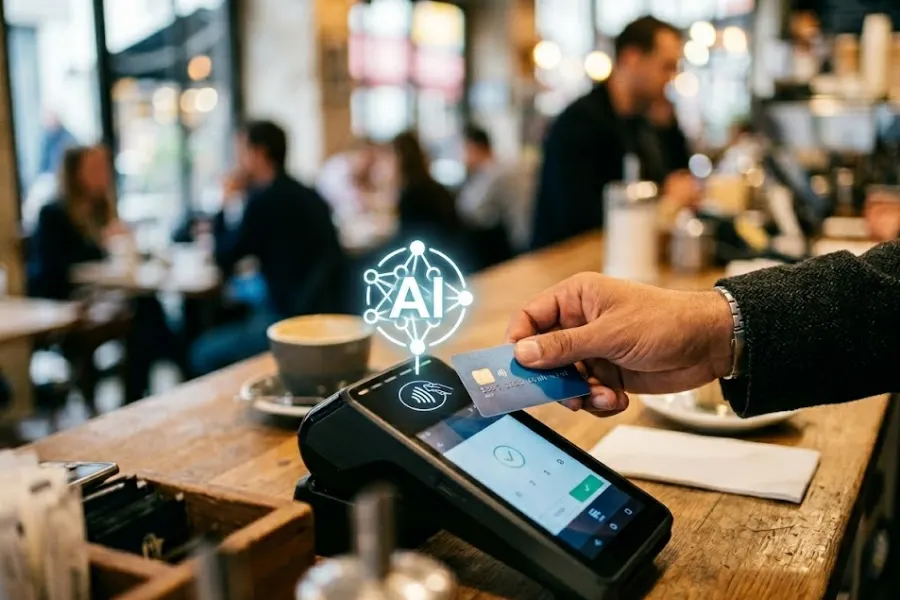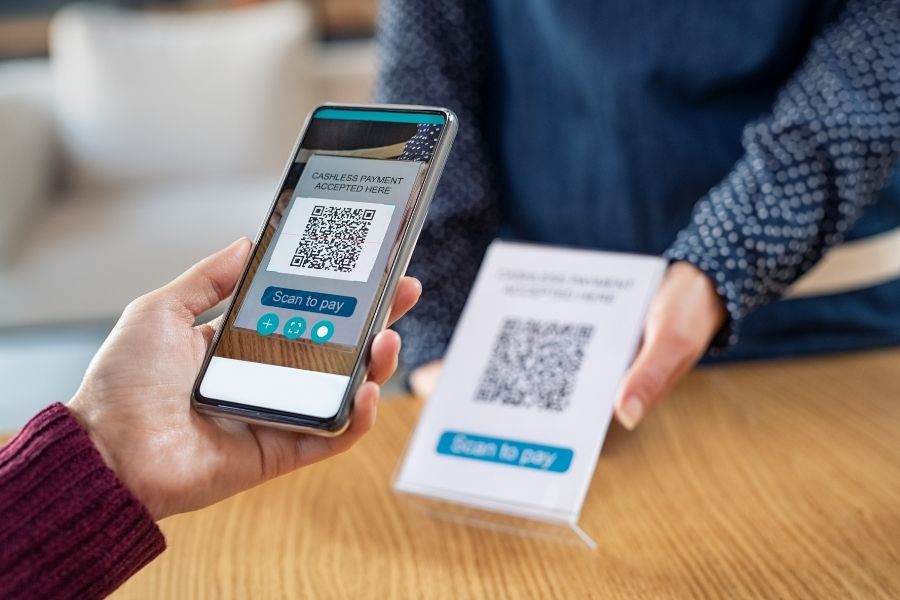
QR code terminals and contactless payment systems have transformed the way we conduct financial transactions. With their convenience and security, these technologies are reshaping the payment landscape. In this article, we will delve into the world of QR code terminals and explore why they are the future of contactless payment.
What Is QR Code Terminal?
A QR code terminal is a payment interface that lets customers scan a QR code using their smartphone to complete a transaction. The code contains payment-related information, such as the merchant ID, transaction amount, or payment link, which is processed through a mobile wallet or banking app. Once scanned, users confirm the amount, authorize the payment, and get an instant confirmation.
These terminals are part of the broader contactless payment landscape, which also includes NFC-based tap-to-pay systems. The appeal of QR code terminals lies in their simplicity: no need for physical cards, PIN pads, or tapping, just scan and pay.
There are two main types of QR code terminals:
- Static QR codes: These are fixed codes, often printed and displayed at the counter. Customers enter the amount manually after scanning. They’re commonly used by small vendors or in informal setups.
- Dynamic QR codes: These are generated in real time for each transaction, usually through a digital display or an app interface. The amount is embedded in the code, reducing manual entry and errors.
In terms of setup, QR code terminals can be:
- Hardware-based: Dedicated POS devices that generate and display QR codes on-screen.
- App-based: Merchant-facing apps that create QR codes using a tablet or smartphone, often integrated with inventory or order management systems.
Because of their flexibility and low setup cost, QR code terminals are becoming a popular choice for both small businesses and large retailers.
How QR Code Terminals Support Contactless Payment
QR code terminals play a key role in enabling contactless payment without relying on traditional card readers or NFC hardware. The process is initiated by a simple scan, the customer uses their mobile wallet or banking app to scan the merchant’s QR code displayed on a screen, printout, or terminal.
Once scanned:
- The app reads the QR code and fetches payment info
- The customer reviews the transaction details
- They authorize the payment (via fingerprint, face ID, or PIN)
- The merchant receives confirmation instantly
These terminals work seamlessly with most major e-wallets and mobile banking apps, including Alipay, WeChat Pay, PayPal, GrabPay, and others. Many POS systems now integrate QR payment options directly into their checkout interface, which keeps the experience consistent and fast for both parties.
Because the customer initiates the transaction from their own device, QR code payments reduce contact, speed up checkout, and increase data privacy while using existing smartphone features. This makes them especially practical in retail, food service, and event environments where quick and secure payments are a priority.
Why QR Code Terminals Are Gaining Ground
QR code terminals are becoming more common in everyday transactions, especially in markets where mobile usage is high. Their flexibility and cost-efficiency make them a practical option for many businesses.
Wider Adoption in Mobile-First Regions
In areas like Southeast Asia, India, and parts of Africa, mobile wallets are often more accessible than credit cards. QR code terminals meet the needs of these users by providing a simple way to pay through apps they already use.
Lower Setup Costs for Merchants
Setting up a QR code terminal usually doesn’t require expensive hardware. Many merchants can generate QR codes using a smartphone or tablet, avoiding the cost of card readers or complex POS systems.
Ideal for Small and Mobile Businesses
For food stalls, pop-up shops, or service providers on the go, QR code payments are easier to manage. They don’t rely on heavy equipment or fixed locations, which makes them a good fit for flexible business models.
Works for Both Online and In-Person Sales
QR codes can be shared digitally or printed for physical display. That allows businesses to accept payments in-store, on delivery, or even through messaging apps. The same setup can support multiple use cases without changing platforms.
Convenience and Security in Real-World Use
QR code terminals simplify the payment process while addressing common concerns around hygiene and data protection. Their design supports safer, faster, and more controlled interactions between customer and merchant.
Touch-Free Process
Customers scan the code using their own devices, with no need to hand over cards or touch screens. This reduces physical contact, which is especially valued in health-conscious environments.
Secure Transaction Flow
Most QR-based payments use encryption and tokenization to protect sensitive data. The information in the QR code is processed through secure channels, limiting the risk of interception during the transaction.
Customer-Led Payment
Since the transaction starts from the customer’s device, they have more control over how and when the payment is made. This reduces errors, builds trust, and shortens the checkout time.
Fewer Hardware Weak Points
Traditional POS systems can be exposed to card skimming or hardware failures. QR code terminals eliminate many of these risks by removing the need for card readers, PIN pads, or physical receipts.
The Rise of Digital Wallets and Mobile Payment Apps
Digital wallets and mobile payment apps are playing a major role in how QR code terminals are being used. As more consumers shift toward mobile-first habits, the tools they use to pay are changing.
Growing Use of Apple Pay, Google Pay, GrabPay, and More
Mobile wallets have become standard in many regions. From Apple Pay in North America to GrabPay and GCash in Southeast Asia, these platforms are widely accepted and frequently used for both small and large purchases.
QR Scanning Built Into Everyday Apps
Many of these apps now include QR code scanners directly in their interface. Users can simply open their wallet app, scan a code, and complete the payment without switching between tools. This seamless experience encourages repeat use and faster checkouts.
Wallet Adoption Drives Terminal Demand
As more consumers rely on mobile wallets, businesses are adapting by adding QR code terminals. Merchants that accept payments through popular wallet apps are more likely to attract mobile-first customers and reduce friction at checkout.
Business Adoption and Industry Use Cases
Businesses of all sizes are integrating QR code terminals into their payment setups. These systems are showing up across industries where speed, flexibility, and cost control matter.
- Used Across a Range of Industries
QR code payments are widely used in retail, food and beverage, transportation, and hospitality. Pop-up stores and delivery services also benefit from the mobile-friendly setup. - Merchant Benefits and Flexibility
QR code terminals are easy to deploy, especially for businesses without a fixed location. They don’t require ongoing hardware maintenance, and they can be used in both high-traffic stores and temporary setups. - Integration with Business Systems
Many QR code terminals now connect with broader systems like POS platforms, inventory tools, and CRM software. This makes it easier for businesses to track sales, manage customer records, and sync data in real time. - Regional Growth and Case Highlights
In Southeast Asia, QR code payments have become a primary method of transaction, supported by government-backed systems and widespread wallet adoption. In India, UPI-linked QR codes make digital payments accessible even at small roadside vendors.
What’s Next for QR Code Terminals?
QR code terminals are continuing to grow and adapt as new technologies and user habits emerge. The next phase of development will likely focus on smarter features and broader access.
Stronger Growth in Emerging Markets
Markets with high smartphone penetration but limited card infrastructure are seeing faster adoption. QR code terminals offer a quick path to digital payments without relying on traditional banking tools.
Smarter Security Features
Future updates may include biometric confirmation, fraud detection using AI, and more advanced encryption methods. These upgrades will support safer transactions without adding complexity for users.
More Role in Omnichannel and Unattended Retail
QR code terminals can be used in automated checkouts, vending machines, and self-service kiosks. They also make it easier to connect offline and online channels, allowing businesses to run unified campaigns and loyalty programs.
How ConnectPOS Supports QR Code Payments in Retail
With the growing use of QR code terminals in contactless payment setups, retailers need a POS system that can support flexible payment options and adapt to customer preferences. ConnectPOS enables businesses to accept QR-based payments through integrations with leading e-wallets and mobile apps, making the checkout process faster and more convenient for both staff and shoppers.
But ConnectPOS goes beyond payment flexibility. It’s a full-featured POS solution designed for retailers operating across multiple channels. Whether you’re selling in-store, online, or at pop-up events, ConnectPOS helps you manage sales, inventory, and customer interactions in one place.
Key features include:
- Real-time data sync between physical stores and eCommerce platforms
- Multi-store and multi-warehouse management for growing businesses
- Support for various payment methods, including QR codes, cards, and digital wallets
- Customer and loyalty management to track purchase history and reward engagement
- Integration with key systems like accounting tools, CRM platforms, and inventory software
Conclusion
A QR code terminal makes contactless payments easier, faster, and more accessible for both customers and businesses. With growing wallet adoption, wider industry use, and strong support in mobile-first markets, it’s becoming a practical solution for modern retail. Its low setup cost, flexible use cases, and secure transaction flow position it well for continued growth. As digital payment habits evolve, retailers need systems that can support QR payments alongside other tools.
To see how ConnectPOS can support QR code transactions and simplify retail operations, contact our team today.
►►► Optimal solution set for businesses: Shopify POS, Magento POS, BigCommerce POS, WooCommerce POS, NetSuite POS, E-Commerce POS