Running digital marketing without automated email campaigns feels like sending messages into the void. Many brands still spend hours crafting individual emails, only to miss the perfect timing that converts interest into sales. This ConnectPOS guide reveals practical ways to turn automation into a growth engine, helping businesses reach customers faster, nurture loyalty, and drive consistent revenue effortlessly.
Highlights
- Successful automated email campaigns start with clear goals, defined audiences, and well-mapped workflows that guide subscribers from trigger to conversion.
- Personalization, segmentation, and responsive design make every email relevant and engaging, helping brands connect naturally with their audience.
- Consistent testing, data tracking, and list maintenance keep automation sharp, improving deliverability, engagement, and long-term performance.
What Are Automated Email Campaigns?
Automated email campaigns are pre-set sequences of messages that send automatically when specific triggers occur. Unlike manual or bulk emails, these campaigns react to real customer actions, like signing up for a newsletter, making a purchase, or abandoning a cart. Each message is sent at the right time, based on behavior rather than guesswork.
This approach keeps communication relevant and consistent. Once a workflow is built, emails go out without daily effort. Businesses save time, reduce repetitive tasks, and maintain steady contact with their audience. The system handles the routine work, allowing marketers to focus on improving strategy and creative content.
Triggers make automation powerful. A new subscriber might receive a welcome series introducing your brand. A shopper who leaves items in their cart could get a friendly reminder. Even birthdays can trigger a personal message or discount.
When used well, automation builds relationships that feel genuine. It guides customers through their journey, from awareness to loyalty, without missing a single touchpoint. For growing brands, that reliability turns casual visitors into long-term customers.
Why Automated Email Campaigns are Important in 2025
The demand for smarter, data-driven marketing continues to rise, and automated email campaigns now sit at the center of that movement. Businesses across every sector are shifting from one-size-fits-all newsletters to automation that sends tailored messages based on real behavior. This shift isn’t just a trend, it’s a competitive advantage.
Studies show automated emails earn far stronger results than standard campaigns. According to Epsilon’s studies, automated messages average 70.5% higher open rates and 152% higher click-through rates than traditional one-off sends, largely because each message feels timely and personal.
Customers no longer respond to generic blasts; they engage with brands that recognize their preferences and needs. In fact, 71% of consumers now expect personalized interactions, and 76% say they feel frustrated when they don’t receive them. This shows how important relevance has become in digital communication.
Personalization and segmentation make that possible. Automation divides audiences by purchase history, location, or engagement level, so each customer receives content that matches their journey. The result is higher relevance and stronger trust.
Modern tools make integration easier than ever. Automation platforms now connect directly with CRM POS, eCommerce POS stores, and analytics systems, creating one connected network of customer insights. That connection turns simple emails into powerful marketing engines that nurture, convert, and retain customers more effectively than ever before.
How to Plan a Successful Automated Email Campaign?
A comprehensive plan is the backbone of every automated email campaign. Without direction, automation can easily turn into clutter. Clear goals, thoughtful segmentation, and measurable metrics keep campaigns focused and effective.
- Set Clear Objectives: Define what each campaign should achieve, welcoming new subscribers, nurturing leads, re-engaging inactive users, or retaining loyal customers. Each goal determines the type of workflow and tone of messaging.
- Identify and Segment Your Audience: Use customer data to divide subscribers into meaningful groups. Segmentation based on location, interests, or purchase history allows for more relevant and engaging communication.
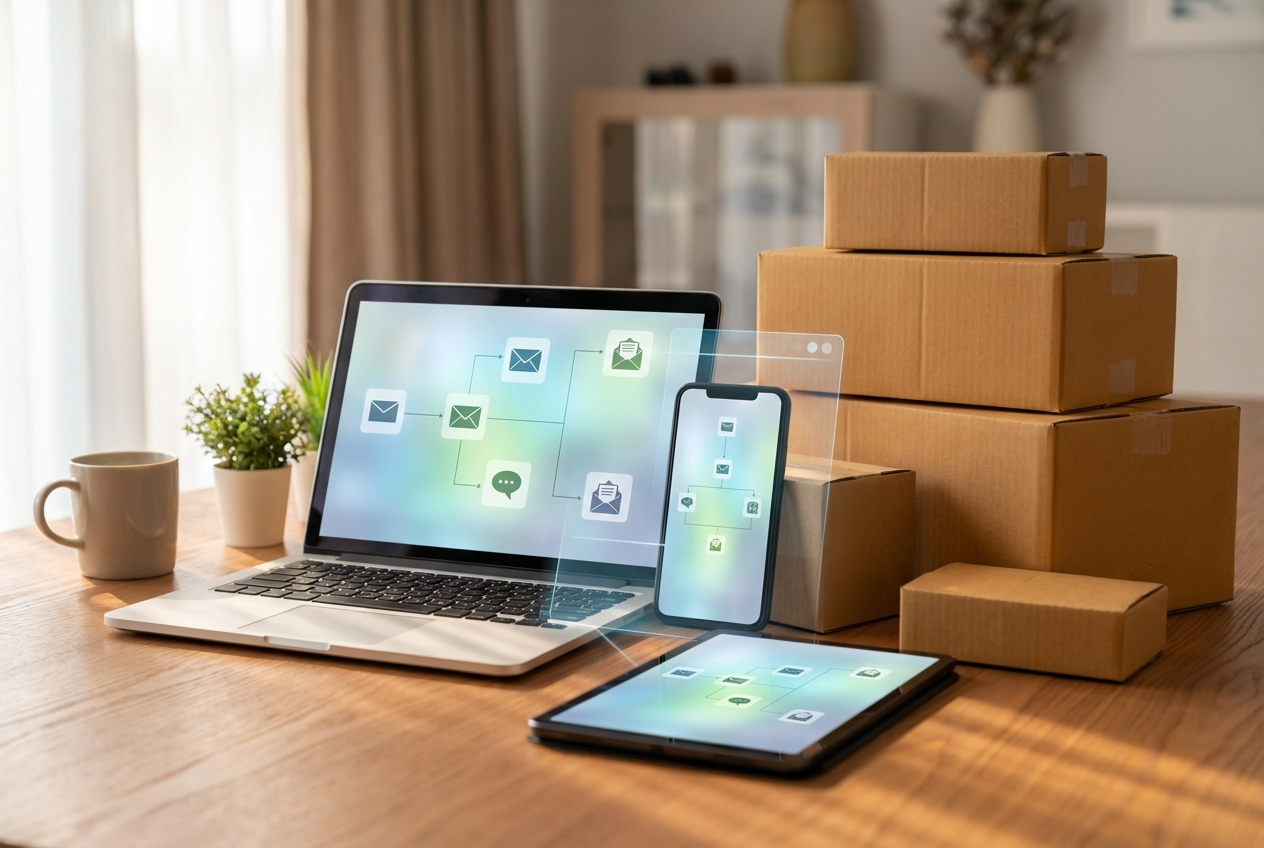
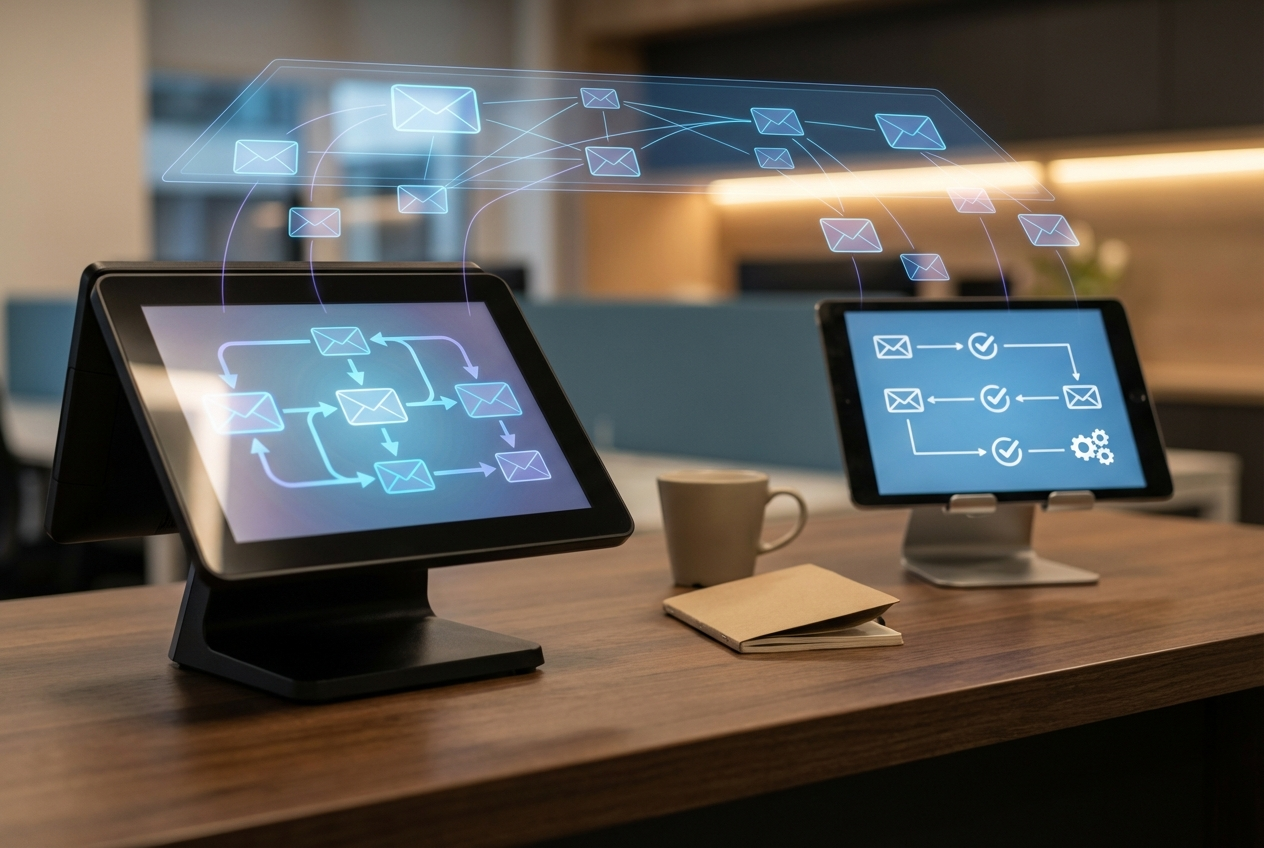
- Map the Workflow: Visualize the sequence from the first trigger to final conversion. Identify where each message fits and what action it should encourage, ensuring the journey feels natural and well-paced.
- Establish Key Metrics: Track open rates, click-through rates, conversions, and unsubscribe numbers. These indicators reveal what’s working and what needs refinement.
- Select the Right Platform: Choose a system that integrates easily with your CRM, analytics, or eCommerce store. The right tool should simplify workflow creation and deliver accurate reports. If you run multiple branches, ensure your stack also supports multi store POS to keep data aligned across locations.
A clear plan keeps automation purposeful. It ensures every email contributes to building relationships, not just filling inboxes.
Practical Tips to Create Successful Automated Email Campaigns
Creating strong automated email campaigns takes more than setting up workflows and hoping they perform. Success depends on knowing your audience, using data wisely, and treating automation as a way to connect, not just communicate. Each detail, from message timing to tone, shapes how subscribers respond.
Personalize with Purpose
Personalization only works when it feels genuine. Adding a first name isn’t enough. True personalization means sending messages that reflect what customers actually care about. If someone just purchased running shoes, an email suggesting complementary gear feels relevant and thoughtful.
This approach builds trust because it proves you’re paying attention. McKinsey research shows companies that personalize effectively see 5% to 15% revenue growth and up to a 30% boost in marketing ROI, since every message feels like part of a conversation, not a campaign.
Segment Effectively
Segmentation is what separates smart automation from mass mailing. Instead of one general list, divide subscribers by activity, location, or purchase history. A customer who shops monthly deserves different content from one who hasn’t opened an email in six months.
Mailchimp’s research shows how well segmentation works. Campaigns that use segmented lists usually get around 14.31% more opens and about twice as many clicks (100.95%) compared to general emails. This kind of targeting helps turn simple messages into personal conversations that keep readers engaged and ready to act.
Time Your Messages
Timing matters as much as content. Automated emails that arrive too often or too late can frustrate readers. Well-timed workflows, like instant welcomes, birthday rewards, or abandoned cart reminders, create natural touchpoints.
For instance, sending a friendly nudge two hours after a customer leaves an item in their cart can recover a lost sale. Strategic timing keeps your brand relevant without overwhelming inboxes.
Keep Your Tone Human
Automation doesn’t mean sounding robotic. Emails should still feel personal, conversational, and natural. Write as if speaking to one person, not an audience. Short sentences, simple words, and a friendly tone help build a connection. Even automated responses can carry warmth.
A quick thank-you after purchase or a personalized note after signup can leave a lasting impression. When people feel they’re interacting with real humans, they’re more likely to engage and trust the brand.
Test Continuously
Even the best workflows need refining. In fact, brands that run consistent A/B tests see 37% higher email ROI than those that don’t. A/B testing reveals what your audience prefers, from subject lines and layouts to calls to action and send times. Try small variations and measure what drives higher clicks or conversions.
For example, changing a subject line from “Your Weekly Deals” to “A Little Something You’ll Love” might double open rates. Regular testing keeps campaigns fresh and prevents performance drops over time.
Clean Your Lists
An outdated email list hurts performance. Remove invalid or inactive addresses every few months. Fewer, more engaged subscribers are better than thousands who never open your emails.
It improves deliverability, protects your sender reputation, and keeps engagement metrics accurate. A clean list also helps focus on real prospects who are ready to interact.
Design Responsively
Emails that don’t render well on phones often go unread. Use layouts that adapt to different screen sizes. Make buttons easy to tap, text easy to scan, and visuals quick to load. Responsive design ensures the same quality experience on desktop or mobile, keeping subscribers engaged anywhere they read.
Monitor Results
Tracking is where improvement begins. Watch metrics like open rates, click-throughs, and conversions closely. Low engagement might mean poor timing or weak content. High unsubscribe rates could signal too many emails.
Adjust workflows based on what the data shows. Brands that review performance regularly see steady ROI growth because every change moves closer to what customers value most. Centralizing those insights alongside sales and stock in the report & analytics keeps teams aligned.
Mistakes to Avoid in Automated Email Campaigns
Even the smartest automated email campaigns can fall short if common mistakes go unnoticed. Missteps often turn helpful communication into unwanted noise, damaging engagement and trust. Knowing what to avoid helps maintain credibility and keeps subscribers interested.
- Sending Too Many or Irrelevant Emails: Bombarding inboxes leads to unsubscribes. Focus on timing and relevance to keep interest alive.
- Ignoring Domain Authentication: Missing SPF or DKIM records can push your emails straight to spam. Protect your sender’s reputation with proper authentication.
- Using Repetitive Workflows: Outdated messages make your brand seem careless. Refresh your automation regularly with new content and triggers.
- Over-Personalizing: Mentioning too many personal details feels intrusive. Keep personalization subtle and meaningful.
- Missing Unsubscribe Links: Every email should give readers control. Skipping this step risks compliance issues and customer frustration.
Avoiding these mistakes keeps campaigns balanced, consistent, respectful, and trusted by subscribers.
Improving Deliverability and Engagement
Even great content means little if your emails never reach the inbox. Deliverability shapes how often your messages are seen and opened. Strengthening the technical setup and maintaining quality ensure your automated email campaigns stay effective.
- Send Only to Opted-In Subscribers: Build a list of people who want to hear from you. It keeps spam complaints low and engagement high.
- Authenticate Your Domain: Use SPF, DKIM, and DMARC to verify your sender identity and protect your reputation.
- Avoid Spam-Triggering Language: Phrases like “Act now” or “Free money” hurt deliverability. Keep your tone natural and credible.
- Balance Email Frequency: Too many emails annoy users, too few make them forget you. Test and find the right rhythm.
- Deliver Value Every Time: Share useful, relevant information to earn consistent engagement.
Good deliverability builds reliability, helping each email reach real people, not spam folders.
Measuring Success and Refining Performance
Strong automated email campaigns don’t stop after launch. Continuous tracking and fine-tuning separate average results from great ones. Measuring the right data helps reveal what your audience values and how to keep improving over time.
- Track Key Metrics: Monitor open rates, click-throughs, conversions, and unsubscribes. These numbers show how engaging and relevant your emails are.
- Evaluate Trends: Compare data across weeks or months to spot behavior patterns. Consistent drops or spikes can uncover what resonates most with subscribers.
- Refine Triggers and Timing: Adjust workflows based on insights. If customers open more in the morning, shift send times accordingly. Small timing tweaks often bring big improvements.
- Use AI for Smarter Decisions: AI tools can predict who’s likely to buy or churn, helping you tailor future campaigns more accurately.
When analyzed thoughtfully, every campaign becomes a guide for the next, driving steady performance growth.
ConnectPOS – Powering Smarter Automated Email Campaigns
Behind every successful marketing strategy lies strong automation, and ConnectPOS stands out as a market-leading eCommerce automation software built to drive smarter, faster, and more connected campaigns. Designed for retailers and brands that value precision, it transforms everyday processes into well-coordinated workflows that work quietly in the background while keeping customers engaged.
- Unified Automation: ConnectPOS connects sales, products, and customer data across platforms using robust APIs. Businesses can manage everything from stock updates to content distribution in one place, cutting manual effort and improving accuracy.
- Intelligent Workflows: Its no-code builder lets teams create automated triggers that respond to real customer actions, like sending a thank-you message after purchase or a reminder for an abandoned cart. Each workflow helps convert routine interactions into meaningful touchpoints.
- Hyper-Personalized Experiences: ConnectPOS allows businesses to tailor every message based on customer behavior and purchase history. Whether it’s a loyalty reward or a curated product recommendation, personalization helps strengthen long-term relationships.
- Seamless Integrations: The system connects effortlessly with CRMs, ERPs, POS, and email marketing tools, keeping communication consistent across every channel.
- Optimized Operations: Tasks like order tracking, product updates, and discount scheduling can all be automated, helping teams focus on strategy rather than repetitive work.
ConnectPOS turns automation into a growth driver for retail and eCommerce. Automate smarter, operate faster, and grow stronger with ConnectPOS. Book a demo today to unlock the power of connected email automation.
FAQs: Automated Email Campaigns
1. What are automated email campaigns?
Automated email campaigns are pre-scheduled workflows that send emails automatically when specific triggers occur, such as a new signup, purchase, or cart abandonment. They help businesses maintain consistent communication without manual effort, ensuring timely and personalized engagement with each subscriber.
2. How can automated email campaigns improve customer engagement?
These campaigns deliver relevant content at the right moment, making messages feel more personal and helpful. For example, sending a follow-up after a purchase or a discount reminder for abandoned carts keeps customers connected and encourages repeat interactions.
3. What types of emails can be automated?
Common examples include welcome series, birthday greetings, order confirmations, re-engagement emails, and post-purchase follow-ups. Each type plays a specific role in nurturing customer relationships and driving conversions.
4. How often should I review my automated workflows?
It’s recommended to review them every three to six months. Regular audits help ensure your content, design, and timing remain relevant to customer behavior and business goals. Updating automation based on data insights can improve open rates and conversions.
5. What metrics should I track to measure success?
Key performance indicators include open rate, click-through rate, conversion rate, unsubscribe rate, and bounce rate. Monitoring these helps identify which workflows perform best and where adjustments can enhance results
Final Thoughts
Running automated email campaigns is no longer optional, it’s the difference between guessing and growing. Smart automation connects timing, relevance, and personalization in ways manual work never could. Every message becomes an opportunity to engage and convert. With ConnectPOS, brands can unify systems, trigger meaningful interactions, and turn automation into lasting relationships. Ready to make every send count? Contact us today and start building campaigns that work even when you’re not.
►►► Optimal solution set for businesses: Shopify POS, Magento POS, BigCommerce POS, WooCommerce POS, NetSuite POS, E-Commerce POS