Telecommunication has revolutionized how we connect, transforming every aspect of human life. It’s indispensable for keeping family and friends connected while bolstering business operations through enhanced communication and security. But what exactly does telecommunication entail, and why is it so crucial? This article addresses the question “what is telecommunication?”, explores its diverse applications in daily life, banking, and business, and explains its critical role in our increasingly interconnected world.
What Is Telecommunication?
Telecommunication, or telecom, refers to the exchange of information, such as voice, data, or video, across distances using electronic systems. This can happen through phones, computers, radios, satellites, or any technology that sends and receives signals.
It began with simple methods like telegraphs and landline phones. Over time, it expanded through radio, television, and mobile networks. Today, it powers the internet, video calls, streaming, and much more. From 2G to 5G, each leap has changed how we connect and share information.
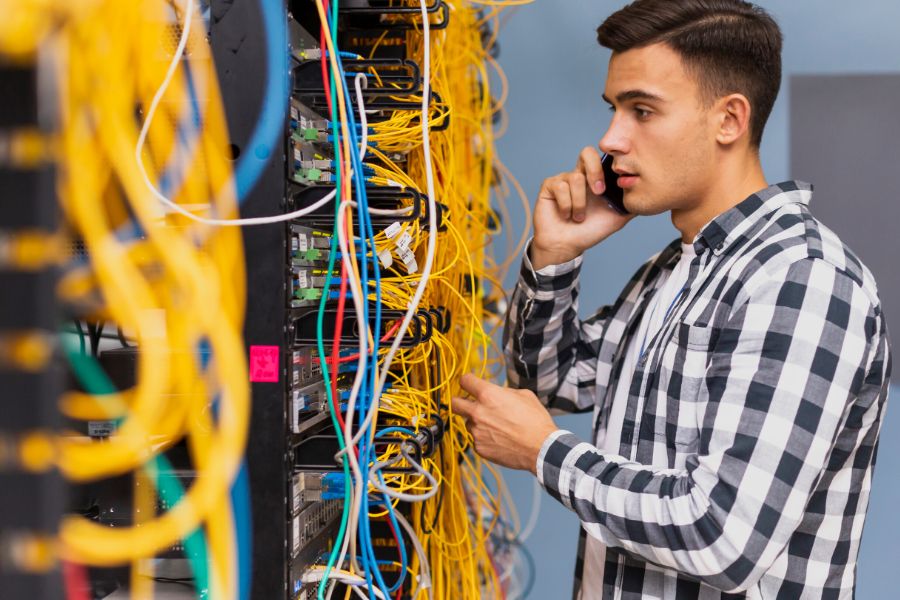
At its core, telecommunication involves three parts: a transmission source, a receiver, and the network that links them. The network can be physical (like fiber optic cables) or wireless (like cellular or satellite systems).
Common types of telecommunication include:
- Wired: telephone lines, coaxial cables, and fiber optics
- Wireless: Wi-Fi, Bluetooth, and mobile networks
- Satellite: used for GPS, TV broadcasting, and remote coverage
- Cellular: mobile phone networks that support voice and data
These systems form the foundation of how people, businesses, and devices stay in touch across the globe.
How Telecommunication Works
Telecommunication works by converting information into signals, sending those signals through a network, and turning them back into usable data at the receiving end. Whether it’s a phone call, text, or internet request, the process follows a predictable path.
It starts with a sending device, like a smartphone, that turns your message into digital signals. These signals travel through a network made up of routers, towers, satellites, or cables. Along the way, protocols help organize the data and make sure it reaches the right destination.
Take a mobile phone call as an example. When you call someone, your voice is turned into digital packets. These packets travel through your carrier’s cellular network, hop between towers, and arrive at the receiver’s device, where they’re reassembled into audio in real time.
The same logic applies to internet browsing or streaming. Devices send a request, networks carry it to the server, and the response comes back in packets within milliseconds.
This constant back-and-forth is what keeps modern communication flowing, whether you’re in the same room or across the world.
Use Cases of Telecommunication
Telecommunication touches nearly every part of modern life, whether we realize it or not. From daily habits to complex business operations, it keeps people, systems, and services connected in real time.
- In Daily Life
In daily life, telecommunication powers voice calls, messages, video chats, and access to online services. Mobile networks and internet connections let people stay in touch through apps and platforms that rely on fast, stable data transmission. Whether it’s a quick call to a family member overseas or streaming a movie at home, these simple actions are possible because of telecom networks working in the background.
- At Work
For businesses, especially those with multiple locations or remote teams, telecommunication supports key workflows. Cloud-based tools, VoIP systems, and video conferencing solutions all depend on stable telecom infrastructure. Teams can collaborate in real time, serve customers across time zones, and manage operations without needing to be physically present. Reliable communication also supports customer service channels – live chat, support hotlines, and CRM tools all rely on uninterrupted telecom systems.
- In Healthcare
In the healthcare space, telecommunication has opened the door to more accessible care. Telehealth platforms allow healthcare providers to consult with patients remotely, which is especially useful in rural areas or during emergencies. Remote patient monitoring, wearable health devices, and even real-time diagnostics are made possible by fast, secure telecom links between patients and providers.
- In Education
The shift to online learning showed how indispensable telecommunication has become in education. Students attend virtual classrooms, access digital libraries, submit assignments, and collaborate with peers, all through systems that rely on robust internet infrastructure. For schools and universities, telecom helps deliver learning beyond physical classrooms and bridge geographical gaps in access.
- In Logistics & Retail
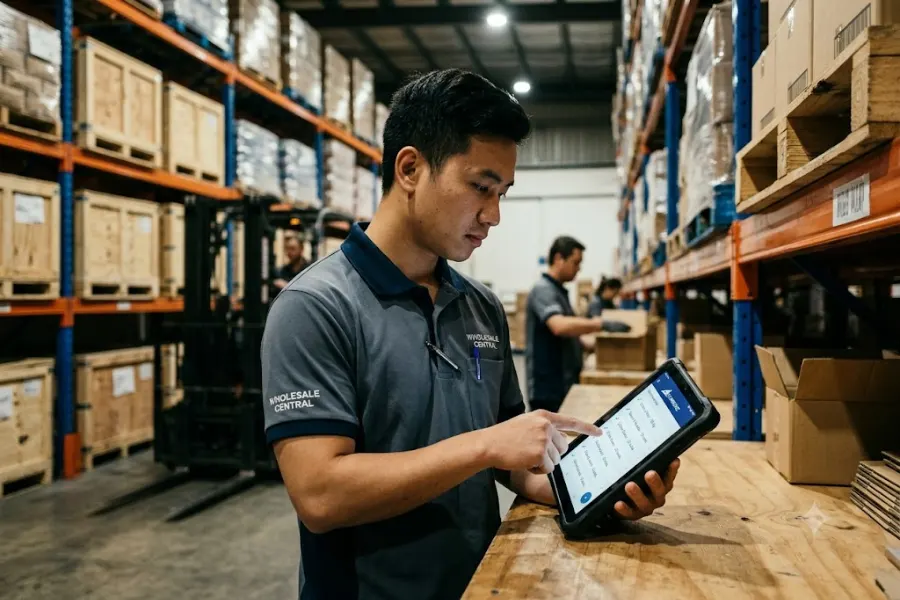
Logistics networks rely on telecommunication to keep track of shipments, update delivery statuses, and manage warehouse systems. Real-time updates between drivers, fulfillment centers, and customer service teams depend on stable connectivity. In retail, telecom enables everything from payment processing and inventory sync to digital receipts and loyalty programs. Whether it’s a pop-up store or a large chain, smooth operations often depend on how well the systems are connected.
Why Telecommunication Is Important to Us
Telecommunication plays a quiet but powerful role in how people live, work, and interact. It’s a foundation for communication, business continuity, and innovation in nearly every industry.
Keeping People Connected
The ability to connect instantly has changed how people communicate. Families can stay in touch across continents, workers can check in from anywhere, and communities can access information in real time. In emergencies, quick access to call centers, alerts, and updates can make a major difference in response time and public safety.
Economic Contribution
Telecommunication supports business growth by reducing barriers to entry and increasing market reach. Companies can serve global markets without needing a physical presence. Virtual meetings, cloud storage, and online transactions all rely on telecom infrastructure. It also plays a role in job creation, both directly through telecom providers and indirectly by enabling digital businesses to scale faster.
Driving Digital Transformation
As more industries adopt digital tools, the demand for stable, high-speed connectivity continues to grow. Telecommunication is the backbone of cloud-based apps, AI services, IoT devices, and real-time analytics. From smart cities to remote work setups, the systems only function effectively when built on a reliable telecom foundation.
How Telecommunication Supports Retail Operations
Retailers, both online and brick-and-mortar, rely on telecommunication to connect systems, people, and data. From syncing inventory across multiple stores to processing mobile payments at events, these processes hinge on real-time communication between devices and platforms.
This is where tools like ConnectPOS come into play. It works across different retail setups, whether you’re running multiple physical stores, selling online, or managing pop-up events. Connecting your point-of-sale system with your inventory, payment gateways, and customer profiles, it reduces the back-and-forth and gives you a clearer picture of what’s happening in real time.
For retailers juggling high SKU counts, managing seasonal traffic, or trying to keep multiple teams aligned, having a POS system that works smoothly across networks isn’t just helpful—it’s necessary. Telecommunication makes that possible, and platforms like ConnectPOS bring those benefits together in one place.
Future Telecommunications Trends
The telecommunications industry is moving quickly to support new types of data usage, smarter devices, and higher user expectations. These trends are shaping how networks are built, managed, and experienced:
1. 5G and Beyond
5G networks are being rolled out globally, bringing faster speeds and lower latency. The focus is now shifting toward expanding 5G coverage and exploring the next phase – 6G. This could support advanced use cases like real-time AR/VR interactions, autonomous systems, and high-volume data transfers across cities and industries.
2. IoT and machine-to-machine communication
As more devices get connected, telecom networks must support real-time communication between machines. From smart homes and wearable tech to industrial automation, IoT growth depends on stable, high-speed connections that can handle constant data exchange without lag.
3. AI in network management
Artificial intelligence is being used to monitor network performance, detect issues, and automate adjustments. With AI, telecom providers can predict outages, reduce downtime, and personalize user experiences while improving operational efficiency.
4. Edge computing and faster, low-latency networks
Processing data closer to where it’s generated cuts down on delays. Edge computing supports applications that need real-time feedback, like autonomous vehicles, live monitoring, or remote surgeries, by minimizing the distance data needs to travel.
5. Stronger Cybersecurity Measures
As data traffic increases, so does the need for stronger protection. Future telecom systems are focusing on secure architectures that defend against threats without slowing down performance. This includes encrypted transmissions, zero-trust frameworks, and smarter detection methods.
6. Sustainability in Telecom Infrastructure
Network providers are adopting greener practices to reduce energy use and environmental impact. That includes using energy-efficient hardware, integrating renewable power sources, and designing infrastructure with sustainability in mind.
Wrap Up
Understanding what is telecommunication gives context to how we stay connected in both everyday and business settings. From powering simple calls to supporting smart cities, telecommunication is a foundational part of how modern systems operate.
If you’re managing retail operations across multiple channels or locations, having the right tools in place matters. Reach out to us today to see how ConnectPOS can elevate your business operations!