Retailers face mounting pressure to modernize their checkout experiences. Planning an IT budget requires a clear understanding of the Magento POS price. You must account for software, hardware, and unseen integration fees. This article from ConnectPOS advises on the Magento POS cost in 2026, including cost drivers you should expect. We will break down the exact financial commitments required for a modern retail system. You will learn how to anticipate hidden fees and make informed purchasing decisions.
Accurate budgeting prevents unexpected financial strain during your retail system rollout. A transparent cost breakdown helps you secure necessary funding from stakeholders. You can confidently build a roadmap for your retail technology investments.
Highlight
- Understanding the true cost requires analyzing software subscriptions alongside mandatory hardware investments for your retail locations.
- Professional setup and custom integrations often represent the largest upfront expense during a new system deployment.
- Ongoing payment processing rates will continuously impact your profit margins long after the initial software purchase.
The Baseline of Magento POS Price in 2026
The retail technology landscape shifts rapidly toward cloud-based infrastructures. Businesses demand faster checkouts and synchronized inventory across all sales channels. This shift directly impacts the baseline cost of modern point of sale systems.
Industry data highlights this rapid technological adoption. According to a Mordor Intelligence report on POS software, global revenue in the point of sale software market will reach 5.16 billion USD by 2028. Retailers are clearly investing heavily in software to support unified commerce.
A standard Magento setup in 2026 requires a multi-layered financial strategy. You cannot simply purchase a one-time license and expect long-term stability. The total Magento POS price of ownership now includes continuous updates, security patches, and cloud hosting fees.
System maintenance requires ongoing financial dedication from your IT department. You must allocate funds for routine system audits and performance monitoring. This proactive approach prevents costly downtime during peak holiday shopping seasons.
Primary Cost Components of a Magento POS
Understanding the total investment of Magento POS price requires breaking down the system into distinct financial categories. Each component carries its own pricing model and long-term financial implications.
Software Licensing and Subscription Tiers
Software licensing forms the core of your recurring point of sale expenses. Most modern providers use a Software as a Service model. You pay a monthly or annual fee to access the platform.
Base tiers typically cover basic inventory tracking and standard checkout functions. Higher subscription levels unlock multi-store management and complex loyalty programs. Retailers must carefully match their operational needs to the correct subscription tier.
Choosing the wrong tier leads to either wasted funds or missing capabilities. A mid-sized retailer might overpay for enterprise features they never use. Conversely, a growing brand might face operational bottlenecks by selecting an overly basic plan.
Vendor pricing models often scale based on the number of active registers. Adding a new checkout terminal will increase your monthly software bill. You must project your store expansion plans accurately to forecast these rising costs.
Hardware Requirements and Point of Sale Devices
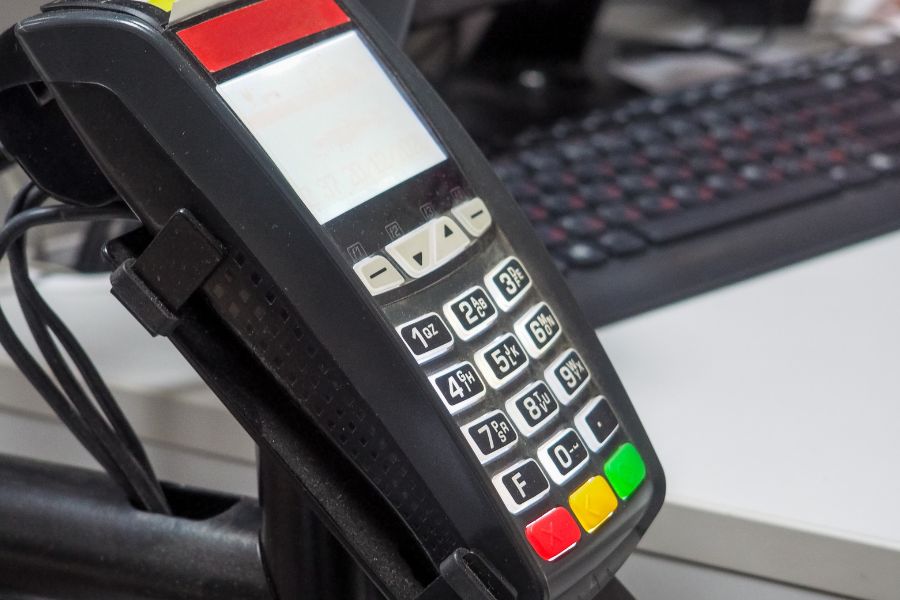
Physical hardware remains a vital component of the in-store checkout experience. You must purchase devices that can reliably run your chosen point of sale software. This includes tablets, receipt printers, barcode scanners, and cash drawers.
The shift toward mobile commerce has changed hardware purchasing habits. Many retailers now prefer sleek tablet-based setups over bulky legacy terminals. This approach lowers initial hardware costs and provides greater mobility on the sales floor.
Hardware investments directly affect the customer experience at checkout. Staff can process transactions faster with responsive touchscreens and wireless scanners. This reduces wait times and improves overall customer satisfaction during peak shopping hours.
When evaluating the Magento POS price, you must also factor in hardware costs alongside software fees. Hardware investments include not only the initial purchase but also depreciation and eventual device replacement. Tablets and scanners suffer wear and tear in busy retail environments. Planning a hardware refresh cycle prevents unexpected equipment failures from halting your daily sales.
Setup, Integration, and Customization Services
Connecting a point of sale system to a Magento backend requires technical expertise. You rarely find a system that works perfectly out of the box without configuration. Agencies charge professional service fees to map data fields and configure sync settings.
Data synchronization is paramount for omnichannel retailers. You must guarantee that online and offline inventory levels match perfectly. Developers build custom APIs to secure this data flow between your physical stores and e-commerce platforms.
Proper integration prevents costly inventory errors and overselling. A McKinsey analysis on omnichannel value reveals that omnichannel customers shop 1.7 times more than single-channel shoppers. You capture this value only when your online and offline systems communicate flawlessly.
Complex customizations will significantly increase your initial deployment budget. Building unique loyalty program rules requires additional development hours. You should strictly prioritize features that directly drive revenue to control these setup costs.
Payment Processing and Transaction Fees
Payment processing fees often represent the largest ongoing expense for retailers. Every credit card swipe incurs a small percentage fee and a fixed transaction cost. These rates of Magento POS price vary wildly depending on your chosen payment gateway.
Many providers provide flat-rate pricing for simplicity. Others provide interchange-plus pricing, which provides more transparency into wholesale credit card rates. You must analyze your average transaction volume to choose the most cost-effective model.
High transaction fees quickly erode your profit margins over time. Negotiating better rates with your payment processor yields significant financial savings. You should regularly review your merchant statements to identify hidden surcharges or rate increases.
Integrating a new gateway might require specialized certification from the payment provider. This compliance process occasionally carries its own set of administrative fees. You must clarify these requirements before signing a long-term processing contract.
ConnectPOS: The Ultimate Cost-Effective Solution for Your Magento POS Price Strategy
Retailers need a robust system that delivers high value without unpredictable costs. ConnectPOS provides a highly competitive structure that aligns perfectly with your Magento POS price expectations. ConnectPOS delivers enterprise-grade features while maintaining transparent and manageable operational expenses.
Our solution eliminates the need for expensive middleware or third-party connectors. You gain direct access to a stable and highly secure integration environment. This architecture drastically reduces your total cost of ownership over the software lifespan.
- Real-Time Synchronization: The system updates inventory and customer data instantly between your physical stores and Magento backend. This prevents stockouts and guarantees accurate product availability across all channels.
- Offline Mode Capabilities: Your staff can continue processing transactions even during sudden internet outages. The software automatically syncs all offline sales data back to Magento once the connection returns.
- Hardware Compatibility: The application runs smoothly on PCs, Macs, iOS, and Android devices. You can use your existing hardware to drastically reduce initial setup costs.
- Customizable Checkout Experience: Cashiers can easily modify the sales screen to fit specific workflows. This reduces training time and helps staff process orders much faster.
- Advanced Order Management: Customers can buy online and pick up in-store or request home delivery from a physical location. This flexibility meets modern consumer expectations and drives higher sales.
- Multi-Warehouse Support: You can track inventory levels across dozens of different locations and fulfillment centers. The system routes orders intelligently to reduce shipping times and lower freight costs.
- Secure Payment Integrations: The platform connects with over twenty leading payment gateways worldwide. You can choose the processor with the lowest rates to maximize your profit margins.
- Detailed Analytics Reporting: Store managers receive comprehensive data on daily sales, employee performance, and product trends. These insights help you make smarter purchasing and staffing decisions.
FAQs: Magento POS Price
1. What factors influence the total cost of ownership for this system?
The total Magento POS price depends heavily on your number of store locations and active registers. Custom integrations with third-party ERP systems will also increase your initial deployment expenses. You must also factor in monthly payment processing fees.
2. Can I use my existing hardware to lower my initial investment?
Yes, many modern cloud-based systems operate perfectly on standard consumer hardware. You can download the application on existing iPads or Android tablets. This strategy significantly reduces your upfront capital expenditure.
3. How do payment processing rates affect my ongoing software expenses?
Payment fees act as a continuous operational cost separate from your software subscription. High-volume retailers often benefit from negotiating custom interchange-plus rates. You must calculate these fees carefully when estimating your yearly budget.
4. Are there hidden fees associated with data synchronization?
Some providers limit the number of API calls or charge extra for high-volume data syncs. You should clarify these terms during the vendor selection process. A transparent provider includes unlimited real-time synchronization in their base subscription fee.
5. Do I need to hire a developer to maintain this integration?
Most premium point of sale providers handle ongoing maintenance and software updates automatically. However, highly customized backend workflows might require occasional developer intervention. You should budget a small retainer for technical support just in case.
Conclusion
Accurately forecasting your retail IT budget requires a comprehensive approach. Understanding the true Magento POS price helps you allocate resources effectively. You must account for software, hardware, integrations, and ongoing transaction fees.
A well-planned deployment protects your profit margins and supports business growth. You can elevate the customer experience while keeping operational costs firmly under control. Careful vendor selection remains critical to achieving this balance. Our team is ready to help you build a scalable and cost-effective retail system. We provide transparent pricing models tailored to your specific business requirements. Contact us to discuss your project with our retail technology experts.
►►► Optimal solution set for businesses: Shopify POS, Magento POS, BigCommerce POS, WooCommerce POS, NetSuite POS, E-Commerce POS