Retail today moves fast. Shoppers switch between apps, stores, and pickup options without thinking twice. When systems fall behind, the experience cracks. Nike POS sits at the center of how one global brand keeps those moments connected. In this guide by ConnectPOS, we’ll show you how Nike’s point-of-sale system supports omnichannel retail and what makes it work at scale.
Highlights
- Nike POS connects stores, apps, and inventory into one shared system, keeping the customer journey consistent across every touchpoint.
- Mobile checkout, real-time inventory, and membership integration turn checkout into part of Nike’s in-store experience, not a final step.
What Is the Nike POS?
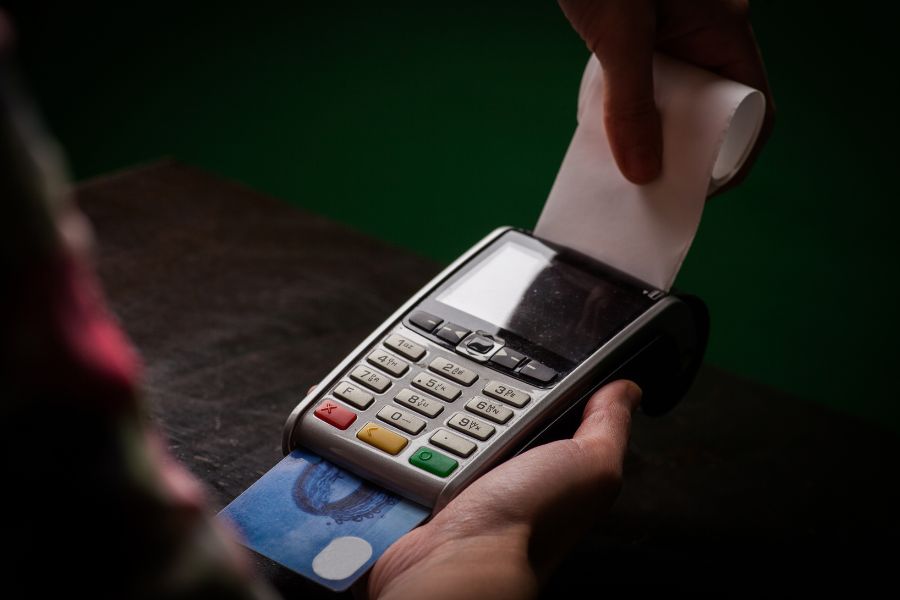
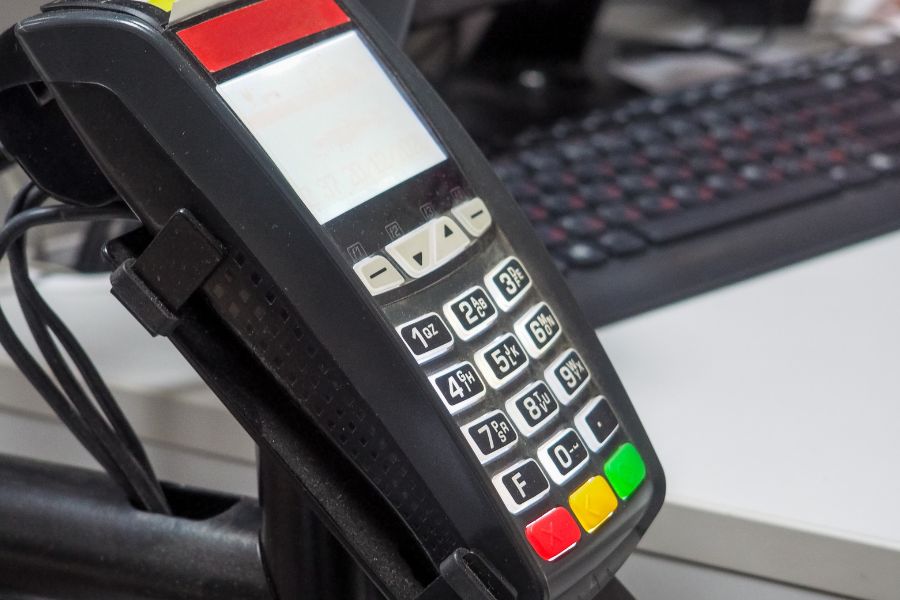
Nike POS (Nike Point of Sale) is the system Nike uses in its physical stores to process payments and manage daily retail operations. At the most basic level, a POS system is where customers complete a purchase, pay, and receive a receipt. Modern POS systems also support inventory tracking, sales reporting, customer data, and loyalty programs.
For Nike, the POS plays a much larger role. Nike POS is part of a connected retail technology ecosystem that links physical stores with digital platforms. It includes both fixed and mobile POS devices, allowing staff to complete transactions anywhere on the sales floor. This reduces checkout lines and improves customer service.
The system is also integrated with Nike’s membership program, inventory systems, and online channels. Customer profiles, stock availability, and promotions stay synchronized across all touchpoints. In short, Nike POS goes beyond a cash register. It supports omnichannel retail, personalized experiences, and smooth store operations across the entire brand network.
Market Statistics Behind Nike POS and the Shift to Omnichannel Retail
Retail expectations have shifted faster than many systems can handle. Shoppers move between digital and physical touchpoints with ease. Brands that keep those moments connected tend to hold attention longer. Nike’s point-of-sale system reflects how the wider market now treats POS as a growth driver, not just a checkout tool.
- Digital revenue growth trends: By 2023, Nike’s digital channels accounted for more than a quarter of total sales, up from about 10% before the pandemic, showing a significant shift toward online purchasing and digital engagement. Nike’s apps and online platforms have helped drive this growth by providing personalized experiences and exclusive access to products.
- Direct-to-consumer contributions: Nike Direct revenues, which include both digital and physical direct sales, have represented a substantial portion of overall income, with figures such as $5.5 billion in one fiscal quarter, reflecting the importance of selling directly to customers without intermediaries.
- Omnichannel POS for retail adoption in the market: Many large retailers now support services like buy online pick up in store and ship from store. These models depend on a POS architecture that reads inventory and orders in real time across locations.
- Customer data and engagement: Nike’s ecosystem of mobile apps, including the Nike App and SNKRS, has helped the company maintain large active user bases, with these digital touchpoints providing valuable customer data that fuels personalized marketing and loyalty.
- Market response to omnichannel experience: Faster checkout, clearer stock visibility, and flexible fulfillment rank high in satisfaction surveys. The POS used across Nike stores supports these expectations by keeping data aligned at the moment of sale.
These trends explain why brands invest heavily in modern in-store technology. Nike’s cloud-based retail system fits into a market where POS platforms now support revenue strategy, customer loyalty, and operational clarity at the same time.
How the Nike POS Supports a True Omnichannel Experience
Omnichannel retail only works when systems stop acting like separate tools. Stores, apps, and fulfillment need to respond as one. Nike POS plays that unifying role by tying every touchpoint back to a shared checkout and data layer.
Cloud-Based, iOS-Native POS Architecture
Nike’s in-house POS technology runs on a cloud-first, iOS-native foundation. This choice shapes how the system behaves inside stores and across regions. Updates roll out centrally, not store by store, which keeps experiences consistent.
The platform scales across countries without forcing local teams to run separate setups. New stores come online faster because the POS architecture already lives in the cloud. Configuration replaces heavy installation work.
Reliability matters just as much as speed. The system supports offline selling when networks drop. Transactions continue, then sync back once connections return. For store teams, checkout stays steady even during peak traffic or technical hiccups.
Mobile POS for Store Athletes
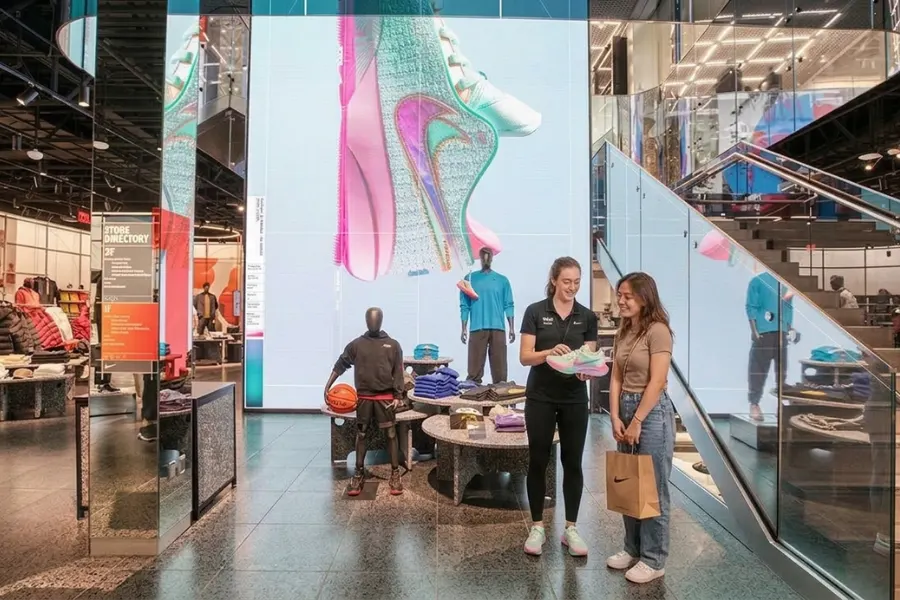
Nike’s retail POS environment shifts checkout away from fixed counters. Store athletes use mobile devices to assist shoppers where decisions happen. The register follows the customer, not the other way around.
This approach shortens queues and changes store flow. Staff complete purchases beside product displays or fitting areas. Shoppers spend less time waiting and more time engaging with the brand.
Mobile POS checkout also supports assisted selling. Staff check sizes, confirm availability, and close sales in one motion. For you as a retailer, this model shows how the POS used across Nike stores turns checkout into part of the experience, not the final hurdle.
POS Integration with Nike App and Membership
Nike’s point-of-sale system links directly with its app and membership layer. When a member checks out, the system recognizes them in real time. That connection removes guesswork at the counter.
Rewards, member pricing, and promotions apply automatically. Staff do not switch screens or ask for extra details. The checkout layer already knows who the customer is and what applies.
Every purchase feeds back into one profile. Online orders and store visits sit side by side. Over time, Nike’s omnichannel POS setup builds a clear view of how members shop across channels, not just where they pay. This is the same direction many retailers aim for when they invest in a loyalty program POS that works seamlessly at checkout.
Real-Time Inventory Visibility with RFID
Inventory accuracy sits at the heart of Nike’s retail POS environment. Item-level RFID tags push live data into the system as products move, supported by strong inventory management software behind the scenes. Store teams see what is available without manual counts.
Stock levels update across stores and warehouses at once. This clarity supports services like buy online pick up in store and ship from store, and it keeps order fulfillment decisions tied to real availability, not estimates.
The POS used across Nike stores also supports endless aisle scenarios. If a size runs out on the floor, staff can locate it elsewhere and complete the sale. For shoppers, availability feels reliable. For operations, decisions rely on live data instead of assumptions.
In-Store App Interactions Connected to POS
Nike’s store experience blends app actions with in-store technology. Shoppers scan products to check sizes and availability without leaving the floor. That request flows straight into the system.
Fitting room support follows the same path. A tap in the app alerts staff, who respond with the right item. The checkout layer already reflects that movement, so stock stays accurate.
Mobile and app-based checkout tie back to the same platform. Whether payment happens in the app or with a staff member, Nike’s cloud-based retail system records the sale once and updates inventory instantly.
Personalization and Recommendations at Checkout
Checkout works best when it feels relevant. Nike’s retail POS environment draws on purchase history and browsing behavior to guide what appears at the counter.
Offers and suggestions match the shopper, not a generic rule set. A runner sees different prompts than a casual buyer. That relevance keeps recommendations useful instead of distracting.
Consistency matters. The same logic applies online and in stores. Nike’s omnichannel POS setup keeps personalization aligned, so shoppers do not see conflicting messages across channels.
One Unified Data Layer Across Channels
All of this relies on shared data. Nike’s in-house POS technology runs on a single source of truth for customers and inventory. Every channel reads from the same record.
This structure removes data silos between ecommerce and stores. Orders, returns, and stock updates move through one pipeline. Teams work from the same numbers at all times.
For retailers, the lesson is clear. When journeys start in one place and finish in another, this POS architecture keeps experiences steady and predictable, no matter where checkout begins.
POS-Driven In-Store Experiences Beyond Checkout
Nike’s retail POS environment shapes how stores feel, not just how they transact. The system supports layouts where service happens on the floor, not behind a counter. Checkout fades into the background.
Store teams access product details, inventory status, and customer context on the spot. That access changes how conversations flow. Staff focus on helping, not tapping through screens.
Over time, the POS used across Nike stores turns locations into service spaces. Fitting advice, product discovery, and pickup support all run through the same in-store technology. Payment becomes one step in a wider experience, not the main event.
Speed, Accuracy, and Operational Efficiency at Scale
Scale brings pressure. New stores open. Promotions change fast. Nike’s cloud-based retail system handles those shifts without slowing teams down. Updates roll out centrally instead of store by store.
Checkout steps stay lean. Mobile selling and integrated data remove extra actions at the counter. Lines move quicker during peak hours without rushing the interaction.
Accuracy keeps operations steady. Inventory and fulfillment decisions rely on live data from the platform. When demand spikes or stock moves quickly, this POS architecture helps teams respond with confidence rather than guesswork.
What Retailers Can Learn from the Nike POS Approach
Retailers today face the same pressure Nike does. Customers expect flexibility, speed, and consistency across every channel. Systems either support that flow or quietly break it. In this part, we’ll look at the practical lessons behind Nike’s point-of-sale system and how those ideas translate beyond one brand.
- Unified systems shape customer trust: Nike’s retail POS environment shows how one shared system keeps stores and digital channels aligned. When checkout, inventory, and customer data live together, experiences feel predictable instead of fragmented.
- Mobile checkout changes store dynamics: The POS used across Nike stores moves selling away from fixed counters. Staff meet shoppers where decisions happen. This shift shortens wait times and makes service feel more human.
- Loyalty works best at the moment of sale: Nike’s omnichannel POS setup ties membership benefits directly into checkout. Rewards apply automatically, which keeps loyalty simple and visible instead of buried in follow-up emails.
- Inventory accuracy drives confidence: Real-time stock data supports pickup, shipping, and endless aisle use cases. When availability stays reliable, customers commit faster and staff spend less time explaining limitations.
These lessons do not depend on brand size. They depend on design choices. When POS systems connect channels instead of separating them, retail experiences stay consistent even as operations grow more complex.
Read more: Retail POS Trends And Statistics For 2026
ConnectPOS: A Scalable Alternative to Nike POS
Nike POS shows what happens when POS becomes the backbone of omnichannel retail. For brands without Nike’s in-house engineering power, ConnectPOS delivers a practical, enterprise-ready alternative built around the same principles. Unified data, flexible selling, and real-time visibility sit at the core.
- Cloud-based omnichannel POS: One system connects in-store, online, mobile, and pop-up sales in real time. No channel operates in isolation.
- Mobile POS for floor selling: Staff check out customers anywhere using tablets or handheld devices. Lines stay short, service feels personal.
- Unified customer profiles: Purchase history, loyalty data, and preferences stay synced across all channels with CRM POS. Every interaction feels informed.
- Real-time inventory sync: Stock levels update instantly across stores and ecommerce. This supports BOPIS, ship-from-store, and endless aisle.
- Offline selling mode: Stores continue selling during network issues. Data syncs automatically once the connection returns.
- Flexible checkout and payments: Support for split payments, digital wallets, gift cards, and contactless options. Customers pay the way they prefer.
- Loyalty and promotion engine: Apply rewards, discounts, and member pricing directly at checkout. Rules stay consistent across channels.
- Multi-store POS and multi-location control: Manage pricing, inventory, and staff permissions from one dashboard. Scaling stays predictable.
- Integrated reporting and analytics: Sales, staff performance, and product insights appear in clear, usable reports. Decisions rely on live data.
- Ecommerce platform integrations: Native connections with Shopify POS, Magento POS, BigCommerce POS, and WooCommerce POS keep carts, orders, and inventory aligned.
- API-first extensibility: Open APIs allow custom workflows and third-party integrations. The POS adapts as the business grows.
- Role-based staff access: Permissions control what each employee can see or do. This improves security and accountability.
- Fast deployment and updates: New stores launch quickly with minimal setup time. Updates roll out without disrupting operations.
ConnectPOS gives retailers a Nike-style POS foundation without building everything from scratch. It brings together sales, inventory, customers, and data into one connected system, helping brands deliver consistent omnichannel experiences at scale.
FAQs: Nike POS
What is the Nike POS system used for?
Nike POS supports in-store checkout, mobile selling, live inventory tracking, and member recognition. The system connects physical stores with Nike’s apps and ecommerce channels, keeping sales and customer data aligned at the point of purchase.
How does Nike POS support omnichannel retail?
Nike’s point-of-sale system syncs inventory, customer profiles, and transactions across stores, apps, and online platforms. This setup supports services like buy online pick up in store, ship from store, and mobile checkout without data gaps.
Is Nike POS a standard POS software available to other retailers?
No. Nike’s in-house POS technology is built specifically for its global retail operations. It is not sold or licensed as a commercial POS product for other brands.
How does Nike POS improve the in-store customer experience?
Store teams access inventory and member data on the floor and complete checkout anywhere. This shortens wait times and makes service feel more personal and responsive.
What can other retailers learn from Nike POS?
The biggest lesson is unified data. Real-time inventory, mobile checkout, and tight links between loyalty, apps, and checkout now shape modern retail expectations.
Final Thoughts
Nike POS shows how far a point-of-sale system can go when it supports the full customer journey. Checkout becomes connected, mobile, and data-driven instead of isolated. That approach explains why Nike’s retail POS environment feels consistent across channels. Not every brand can build this internally, yet the principles still apply. Platforms like ConnectPOS bring the same ideas within reach through unified data, flexible selling, and real-time visibility. If you’re ready to move toward that model, it may be time to contact us and explore what’s possible.
►►► Optimal solution set for businesses: Shopify POS, Magento POS, BigCommerce POS, WooCommerce POS, NetSuite POS, E-Commerce POS