Choosing the right POS system is a key decision for any retail or service business in the US. The best POS systems in US do much more than process payments; they connect sales, inventory, customers, and operations into one system. This guide breaks down the most important factors to consider, including business size and industry requirements, as well as features, scalability, and integrations. By understanding what to look for, you can confidently select a POS system that supports daily operations and long-term growth.
Highlights
- Choosing the best POS systems in US requires looking beyond basic checkout features to include scalability, reliability, inventory management, and omnichannel support for long-term business growth.
- Modern POS systems have evolved into cloud-based platforms that connect in-store, online, and mobile sales, offering real-time data sync, offline functionality, and flexible integrations.
- Avoiding common mistakes, such as focusing only on upfront cost or ignoring future expansion needs, helps businesses select a POS solution that remains effective as operations become more complex.
What Is a POS System and How Has It Evolved in the US?
A POS system is the technology businesses use to complete sales, accept payments, and manage in-store transactions. In the past, POS systems in the US were mainly standalone cash registers with limited reporting and no connection to other business tools. Over time, they evolved into digital systems that handle inventory, basic customer data, and sales reports.
Today, POS platforms have become cloud-based ecosystems. They support omnichannel retail, allowing businesses to sell and manage operations across physical stores, online channels, and self-service devices. Mobile POS solutions also enable staff to process sales anywhere on the shop floor, while real-time data sync keeps inventory, orders, and customer information accurate across locations.
Modern POS architecture matters because it gives US businesses flexibility and scale. Cloud, API-first designs make it easier to add integrations, expand locations, and adapt to changing customer expectations without replacing the entire system.
Key Factors to Consider When Choosing a POS System in the US
Choosing a POS system is about finding a platform that can support your business as it grows and adapts. The right solution should align with your industry, support daily operations smoothly, and remain flexible enough for future expansion. Below are the key factors US businesses should evaluate before making a decision.
Business Type and Industry Requirements
Different industries rely on POS systems in different ways. Retailers often focus on inventory depth and product variants, while hospitality businesses prioritize speed and order accuracy. Specialty businesses may need more tailored workflows. Key considerations include:
- Support for industry-specific processes such as barcodes, SKUs, or service-based transactions
- Flexible workflows that fit apparel, grocery, beauty, or niche retail models
- Features designed to reduce manual work and errors
Scalability and Business Growth
A POS system should grow with your business, not limit it. What works for a single store may fall short once you add more locations. Look for:
- Easy transition from single-store to multi-store operations
- Centralized dashboards for pricing, inventory, and reporting
- The ability to add users, locations, or devices without major system changes
Omnichannel and eCommerce Integration
US consumers expect seamless omnichannel shopping across online and physical stores. A modern POS should unify these experiences by offering:
- Consistent pricing, promotions, and customer data across channels
- Real-time sync between online orders and in-store sales
- Support for services like buy online, pick up in store (BOPIS), and ship-from-store
Read more: Best eCommerce POS Software in 2026
Inventory and Order Management
Strong inventory control is critical for profitability and customer satisfaction. When evaluating a POS system, consider whether it provides:
- Real-time stock visibility across products, variants, and bundles
- Backorder management to avoid lost sales during stock shortages
- Multi-location and warehouse tracking for accurate fulfillment and planning
Ease of Use and Staff Training
A user-friendly POS reduces onboarding time and improves checkout efficiency. Important aspects include:
- An intuitive interface that allows staff to complete transactions quickly
- Simple navigation for refunds, discounts, and order changes
- Reduced training time, which lowers errors and operational disruption
Offline Mode and System Reliability
Connectivity issues should not stop sales. The best POS systems in US will offer:
- An offline mode that allows transactions to continue during internet outages
- Secure local data storage while offline
- Automatic data reconciliation once the system reconnects
Hardware Compatibility and Payment Options
Flexibility in hardware and payments is essential in the US market. Look for POS systems that support:
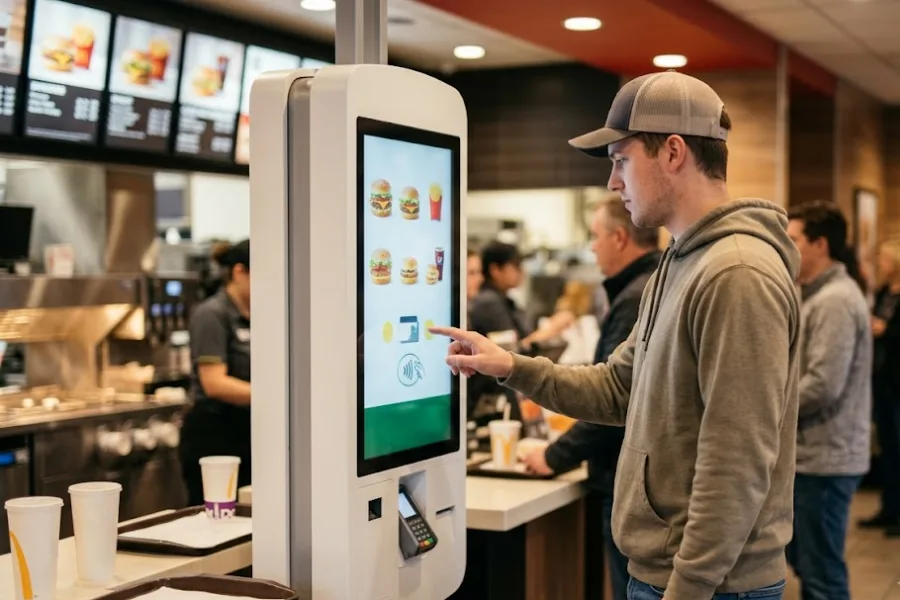
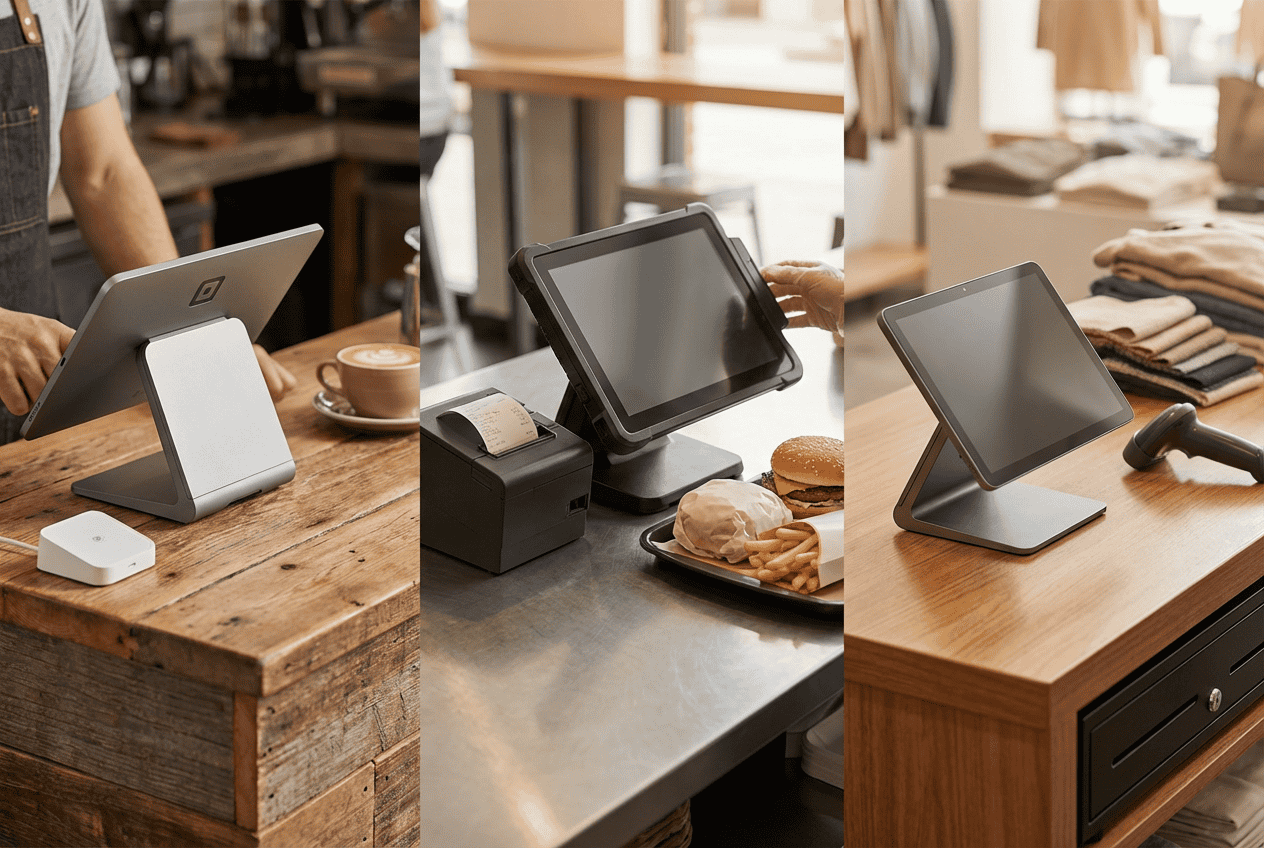
- POS terminals, tablets, mobile devices, and self-service kiosks
- EMV chip cards, contactless payments, and mobile wallets
- Multiple payment types, including gift cards and store credit
Integrations and Customization
As businesses grow, POS systems need to work with other tools. Key considerations include:
- API access for custom development and system extensions
- Integrations with eCommerce platforms, accounting software, and CRM tools
- Configurable workflows that adapt to specific business processes
Pricing, Fees, and Total Cost of Ownership
The upfront price rarely reflects the full cost. When comparing POS systems, consider:
- Subscription-based pricing versus transaction-based fees
- Hardware, add-on features, and support costs
- Long-term expenses as your business scales
Security, Compliance, and Support
Protecting customer data and maintaining compliance are non-negotiable. A POS system should provide:
- PCI compliance and strong data protection standards
- User access controls and activity logs
- Reliable vendor support with clear service response commitments
Read more: Small Business POS System in the US – What to Consider Before Purchasing?
How ConnectPOS Addresses Key POS Selection Criteria of US Merchants
When evaluating the best POS systems in the US, US merchants often look for solutions that balance flexibility, performance, and long-term scalability. ConnectPOS is designed to address these expectations through a modern architecture and a broad set of capabilities. The software supports complex retail operations without adding unnecessary complexity.
- Modern Cloud POS Architecture
ConnectPOS is built on an API-first, microservice, and headless architecture. This approach allows retailers to customize workflows, user interfaces, and integrations without disrupting core operations. It also makes system updates and expansions more manageable as business needs change.
- Omnichannel and Real-Time Syn
The platform supports unified data across physical stores and eCommerce channels. Sales, inventory, and customer information are synchronized in real time, helping merchants maintain accurate stock levels, consistent pricing, and a connected shopping experience across all touchpoints.
- Advanced Inventory Capabilities
ConnectPOS supports multi-source inventory management across stores, warehouses, and RFID-enabled locations. It is suitable for retailers with high SKU counts, product variants, and complex fulfillment requirements, including backorders and multi-location routing.
- Offline-First POS Experience
Designed for reliability, ConnectPOS allows businesses to continue selling during internet outages. Transactions are securely stored locally and automatically synced once connectivity is restored, reducing revenue loss and operational disruption.
- Self-Service and Customer Engagement Tools
The solution supports kiosks, tablets, and mobile POS setups. Customer-facing tools such as consumer apps, loyalty programs, and personalized offers help retailers improve engagement and reduce in-store wait times.
- Scalability for Growing US Retailers
ConnectPOS is built to support growth, from single-store setups to enterprise-scale operations. It can handle large product catalogs and extensive customer databases while maintaining performance and centralized management across locations.
Common Mistakes to Avoid When Choosing a POS System
Choosing a POS system without a clear long-term view can lead to costly changes later. Many US businesses run into problems not because the software is inadequate, but because they overlook key factors during the selection process. Being aware of these common mistakes can help you make a more informed decision.
- Focusing only on upfront cost – Low initial pricing can be misleading. Cheaper systems often come with limited features, higher transaction fees, or expensive add-ons that increase total costs over time.
- Underestimating future growth and omnichannel needs – A POS that works for a single store may struggle with multiple locations, online sales, or inventory sync across channels. Planning only for today can limit expansion tomorrow.
- Overlooking offline functionality and integrations – Internet outages and disconnected tools can disrupt operations. A POS should support offline selling and integrate smoothly with eCommerce, accounting, and other business systems to avoid data gaps.
Read more: 5 Best POS Systems for Convenience Store in USA
FAQs: Choosing the Best POS Systems in US
Is cloud POS suitable for all US businesses?
Cloud POS works for most US businesses, from small retailers to large chains, because it offers flexibility, remote access, and easier updates. It is beneficial for companies planning to grow or manage multiple locations. However, the system should align with your industry workflows and connectivity requirements.
Can POS systems support both online and in-store sales?
Yes. The best POS systems in US are designed to support both online and in-store sales through omnichannel capabilities. They sync inventory, orders, pricing, and customer data across channels, helping businesses manage all sales from a single system.
How important is offline mode for retail POS?
Offline mode is significant for brick-and-mortar stores. Internet disruptions can happen at any time, and offline functionality ensures sales continue without interruption, with data syncing automatically once connectivity is restored.
What should I prioritize: features, price, or scalability?
Scalability should be the priority. A POS system must support future growth while offering essential features at a reasonable cost. Choosing a system based only on price can lead to limitations and higher costs later.
Summing Up
Among the best POS systems in US, find a solution that fits your business today and continues to support growth tomorrow. By focusing on usability, reliability, omnichannel capability, inventory control, and scalability, merchants can avoid costly limitations and future system changes. A modern POS should simplify operations, connect all sales channels, and adapt as customer expectations evolve.
If you are looking for a flexible, cloud-based POS built for omnichannel retail and long-term growth, ConnectPOS is here for help. The modern architecture and advanced capabilities are designed to support US merchants at every stage, from single-store operations to enterprise-scale retail. Contact us today!
►►► Optimal solution set for businesses: Shopify POS, Magento POS, BigCommerce POS, WooCommerce POS, NetSuite POS, E-Commerce POS