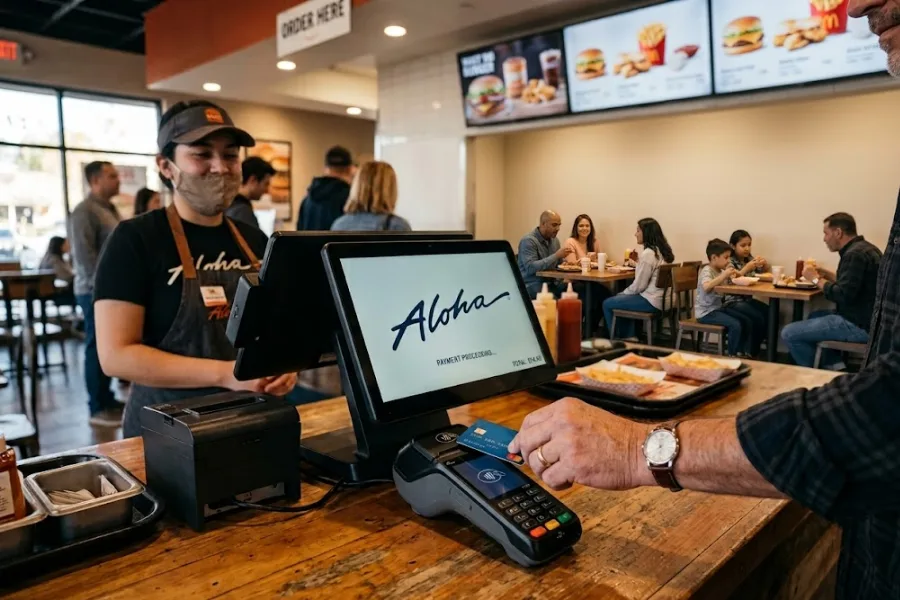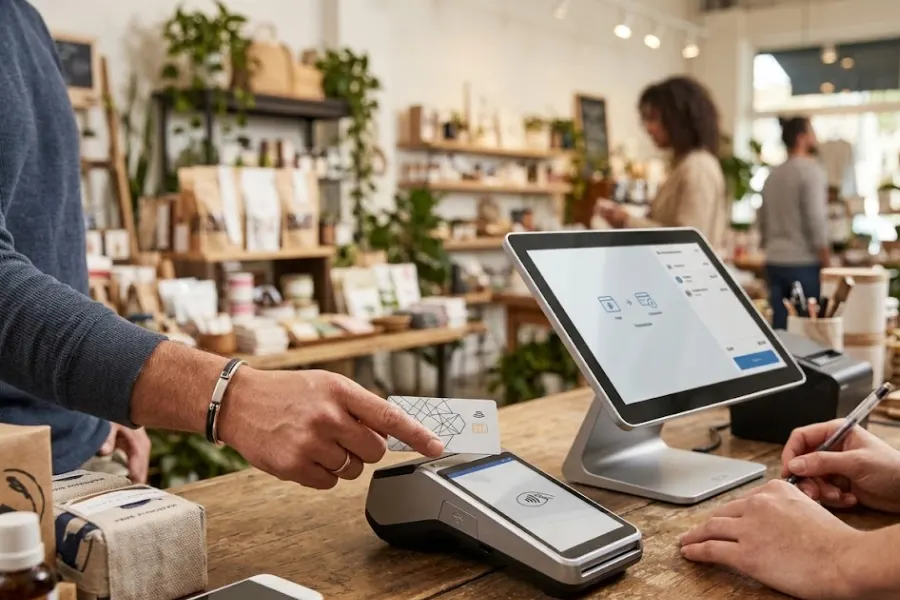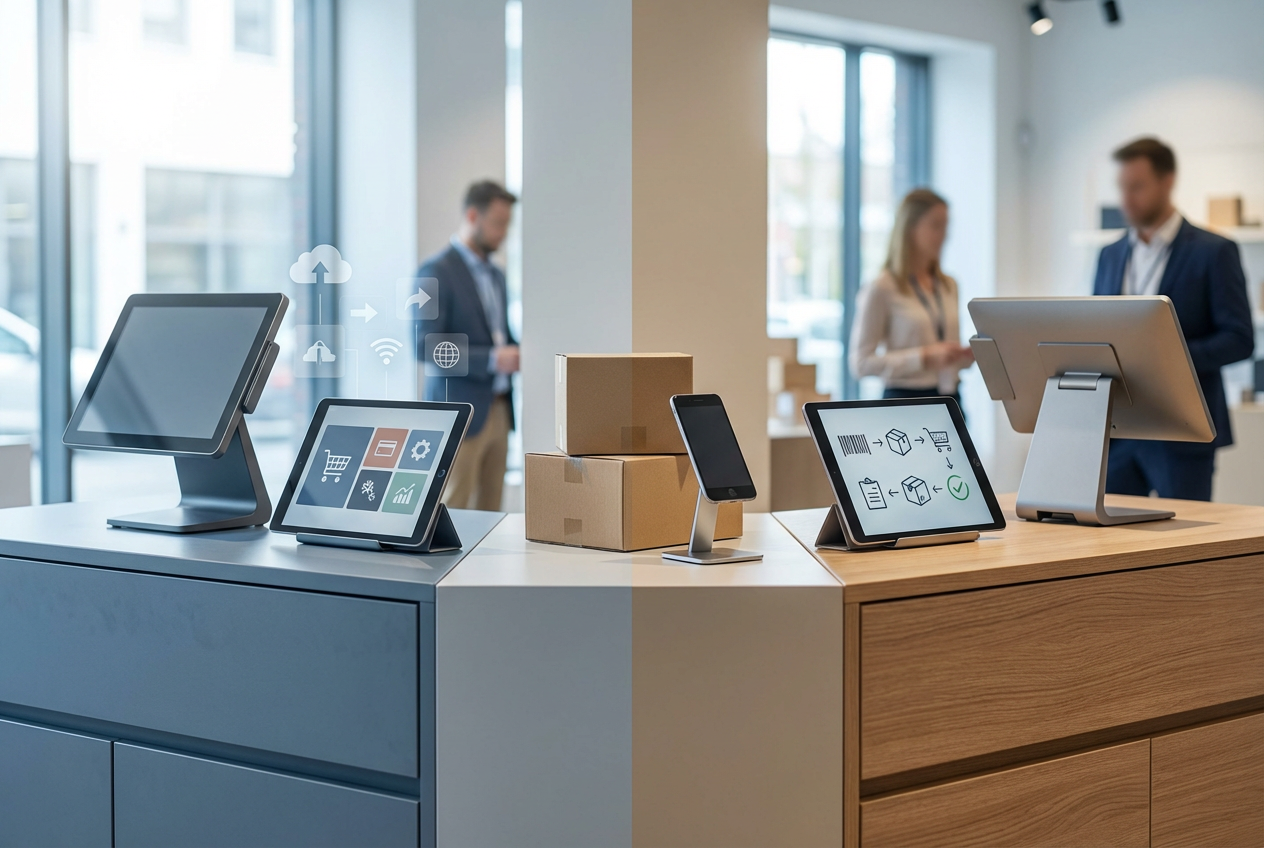
Shopify POS has become a familiar name for many retailers that want a simple way to run both online and in person sales. Its reach grows fast because sellers like how it connects products, customers, and orders in one place. In this guide of ConnectPOS, we share a Shopify POS review that helps you understand how the system works and whether it fits your store’s daily flow.
Highlights
- Shopify POS brings online and in store work into one shared system, which helps teams stay organized as orders grow.
- POS Lite supports simple checkout needs, while POS Pro adds deeper retail tools like staff roles, stock control, and omnichannel flows.
- Pricing depends on your Shopify ecommerce plan, and extra fees appear when using third party gateways or expanding to more locations.
What Is Shopify POS?
Shopify POS is a cloud based point of sale system developed by Shopify to connect your physical checkout with your online store. It acts as the in person version of your ecommerce site, keeping products, orders, and customer activity in one shared place. McKinsey notes that about 60 to 70% of shoppers now research and shop across both channels, so having one system that links everything has become a basic need.
The platform runs on a single backend. Any update you make moves across all sales channels at the same time, which keeps your catalog accurate and prevents confusion during busy periods. Behind this simple structure sits a wide range of tools that support daily work at the counter.
Shopify splits its POS into two paths. POS Lite gives you basic checkout tools that work well for pop-ups or small stalls. POS Pro expands the setup and brings extra control for real stores that need deeper staff tools, smart stock tracking, and stronger customer flows. We often see brands start with Lite and move to Pro once foot traffic rises.
Both options work through the same cloud system. Each sale updates your product counts. Each customer interaction appears in the same shared database. This structure keeps your online and in-store activity aligned. You avoid confusion during busy hours, and your team gains more confidence because numbers stay accurate.
The system covers core functions that most retailers expect. You can process sales through the checkout app, manage customer profiles, track purchase history, and see product changes in real time. NielsenIQ found that for Mother’s Day 2025, 68% of shoppers planned to browse in store and 58% planned to research online before buying. One clear view of products and customers helps you serve people in both places. Shopify POS also connects to Shopify’s product engine, which helps you control variants and keep your inventory tidy.
Some shops pair this setup with hardware to build a more stable front counter. Others keep it light with phones or tablets. Either way, the system stays cloud based, which helps you work across locations without carrying heavy servers or complex setups.
Read more: Shopify POS Lite vs Pro: Features, Pricing, and Key Differences 2026
How Shopify POS Works
Store owners often start their setup by signing up for a Shopify plan. You choose a tier based on how you plan to sell, then activate the POS tools inside your dashboard. This step lays the foundation for your in person work. Yet many new users move through it quickly because the platform keeps the process clear.
Once your account is active, you decide whether to stay on POS Lite or upgrade to POS Pro. Lite gives you simple checkout tools, while Pro adds stronger retail functions for teams that need deeper controls. We see many stores begin with Lite during small events, then switch to Pro when they open a stable location.
The next step is hardware. Some sellers order Shopify POS Go to keep everything in one device. Others set up card readers, receipt printers, or a retail kit to build a steady front counter. Your choice depends on how fast your team needs to move and how much space you have.
After hardware, you install the Shopify POS app on your phone or tablet. You log in, connect your store, and allow the app to sync with your online inventory. This sync helps you maintain correct stock levels, which keeps customers from running into outdated numbers.
When everything matches, you can take payments through cards, digital wallets, or gift cards. You can also add more locations and manage them from the same backend. Each new shop shares the same product pool, so your staff stays aligned without jumping across scattered systems.
Shopify POS Review: Key Features Explained
Retailers often look at core functions before they commit to any in person system. They want tools that stay stable when foot traffic rises and product lists grow. Moreover, your store needs a setup that ties into your online activity without slowing down daily work. We guide you through these parts so you can see how each tool shapes your retail flow.
POS Hardware
Shopify builds its hardware to match different selling styles. Shopify POS Go stands out because it combines a scanner, card reader, and display in one handheld device. You can process sales while moving across the shop floor, which helps during busy periods.
The Tap and Chip card reader supports chip cards and contactless payments. Many small shops use it with an iPad or phone for a light setup. A Retail Kit brings a countertop layout with stands, printers, and drawers. This helps your team stay organized at fixed stations.
You can also add accessories like barcode scanners or receipt printers. These tools link smoothly with tablets or mobile devices through Bluetooth, which gives you a flexible front counter without heavy wiring.
Read more: What Are My Choices For Shopify POS Hardware?
POS Software
The POS software handles the actions you use each day. You can ring up items, apply discounts, process returns, and track orders. These steps stay simple through the touchscreen layout, which helps your staff move faster.
Customer profiles record past purchases and personal details. This helps your team build steady relationships because you can see what shoppers like or buy often. Staff permissions give managers more control. You choose who can edit products, apply discounts, or access reports. You also run the system from the mobile POS app, so you can check activity even when you are away from the counter.
Multi-Channel & Omnichannel Selling
Many stores value the way Shopify POS connects online and in store activity. Your inventory updates in real time, so shoppers see accurate numbers no matter where they browse. This protects you from awkward stock issues during peak hours.
You can let customers buy online and pick up in store, which shortens waiting time at the counter. Some shops even use ship-from-store flows to move items faster. The back office shows all orders in one place. We see retailers use this view to prevent mix ups and keep operations steady across every channel.
Payment Processing
Payment handling plays a big part in any POS, and Shopify Payments keeps things simple for most sellers. You can take cards, wallets, and gift cards without extra setup. The card rates depend on your ecommerce plan, so higher tiers usually mean lower fees.
Some stores prefer third-party gateways, but this choice adds extra transaction costs. These fees can add up when order volume rises. We often see new retailers stay on Shopify Payments to keep costs predictable while they scale their Shopify retail POS setup.
Inventory Management
Inventory management control sits at the center of daily retail work. Shopify POS shows your stock levels in real time and updates the moment a sale is made. Low stock alerts help your team react before popular items run out, which protects your sales flow during peak periods.
You also manage product variants like size or color in one list. Multi-location stock handling keeps counts aligned across different shops or storage points. This helps prevent confusion when your team checks availability for walk-in customers.
Staff Management
Staff settings give managers more control over store activity. You assign roles to each employee, so new staff access only the tools they need. Permissions help you keep discounts, product edits, or refunds in the right hands.
Managers can watch performance inside the POS dashboard. This view shows sales activity for each team member, which helps you plan schedules and training more effectively.
Reporting & Analytics
Report & Analytics help store owners understand what works each day. Daily summaries give you a quick look at sales, order counts, and busy hours. Retail performance reports dig deeper and show which items sell the fastest or which staff members close the most orders.
Inventory and sales insights guide long term planning. We often see retailers check these reports weekly to adjust stock orders, store layouts, or promo timing for better results.
Shopify POS Pricing
Many retailers study pricing before choosing any system, so this part often shapes their final decision. Shopify POS sits inside the Shopify ecosystem, which means your in person tools depend on an active ecommerce subscription. POS Lite appears in every plan and gives you a simple path for face to face selling. Yet your card rates and fees shift based on the ecommerce tier you select. Some stores stay on lower tiers at the start, then upgrade once their order volume grows.
POS Lite also works inside the 3 day Shopify free trial, which helps new sellers test the setup. You can try the checkout flow, manage a few items, and feel how the system responds during short bursts of foot traffic. Moreover, the $1 per month for 3 months promotion makes the early stage easier on small budgets. We see many first time sellers use this period to plan a smooth store launch.
Here’s a complete overview of all the Shopify POS plans:
| Shopify POS Plan | Pricing | Credit Card Rates | Best For |
| Starter | $5/mo/location | 5% + 30¢ online 5% + 0¢ in person 5% third party payments | Small scale sellers, pop ups, social selling |
| Retail | $89/mo/location | 2.9% + 30¢ online 2.6% + 10¢ in person 2% third party payments | Stores needing POS Pro tools |
Larger retailers sometimes move toward a Shopify Retail Enterprise setup. It brings more freedom for complex operations and tighter control over data. This tier fits brands that run many stores or handle a strong omnichannel mix.
Some well known names like Allbirds, Frank and Oak, and Avitar Nation rely on Shopify POS for their in store activity. Their success stories often appear in Shopify’s marketing channels, which gives new sellers more confidence when reviewing the system.
Read more: Shopify POS Pricing 2026: Plans, Fees & Alternatives
Shopify Ecommerce Plans (Required for POS)
| Shopify Plans | Price | Best For |
| Basic | $39/mo + $89 per POS Pro location | New sellers starting online and in person |
| Grow | $105/mo + $89 per POS Pro location | Sellers needing deeper reports and more staff accounts |
| Advanced | $399/mo + $89 per POS Pro location | Expanding brands with large catalogs and strong traffic |
Some retailers move between tiers as they grow. Better reports and lower card fees matter once your store hits steady volume. If you want more ecommerce details, Shopify provides dedicated pricing pages for each plan.
Note: Each location adds $89 per month for POS Pro. Stores with more than one address pay this fee for each site.
Shopify POS Additional Hardware Cost
Hardware costs stay separate from the subscription. Many shops pick a light setup at first, then build a full counter once traffic increases. A Tap and Chip card reader begins at $49, which works well for phones or tablets. A Shopify POS Terminal costs $349 and supports more stable front counter layouts.
Shopify POS Go costs $399 but is only available for US and Canada at the moment. Other bundles include a $219 countertop kit or a $459+ terminal kit for more complete stations. All hardware includes free shipping, free returns, and a 1 year warranty, which keeps early risks low for new retailers.
Shopify POS Pros & Cons
Retailers often weigh strengths and trade offs before choosing any in person system. A setup might look simple on the surface, yet the real test comes when your store faces long lines or rapid online growth. Moreover, you want clear tools that keep your team focused rather than fixing small issues. We break down both sides so you can see how each point affects your daily work.
Pros
Shopify POS brings many benefits for sellers who already work inside the Shopify platform. The system feels familiar because it shares the same structure as the main dashboard. This lowers training time for new staff. Better yet, the setup ties online and offline tasks into one shared workflow, which helps your team move faster during busy hours.
- Simple to use. The layout keeps checkout steps short, which helps your staff avoid mistakes when the store feels crowded.
- Strong Shopify integration. Online and in-store activity stays aligned, so product changes or new collections appear without delays.
- Unified inventory. Your counts update the moment a sale occurs, which prevents awkward stock issues when customers check availability.
- Helpful analytics. Reports show trends that help you adjust pricing, restocking, or promo timing.
- Wide hardware choices. You can build either a light mobile kit or a full countertop setup based on your shop layout.
- Grows with your stores. Multi-store support stays stable when you add new branches.
- 24/7 support. Sellers get help any time through chat, email, or phone, which keeps downtime low.
Cons
Some retailers find limits once their operations reach a certain size. These gaps appear more clearly when stores rely heavily on in person selling or want deeper control over staff, inventory, and hardware. We see these points surface during expansion phases, which is why many brands study them early.
- POS Pro required for stronger tools. Deeper stock tracking, staff permissions, and in-store pickup all sit behind the paid upgrade.
- Not the best for non-Shopify sellers. You need a Shopify ecommerce plan, which adds cost for merchants who only run physical stores.
- Extra fees for third-party apps. Some retail functions require add-ons, which raises monthly costs.
- Offline limits. You lose access to some tasks when your connection drops, especially card payments.
- Fees for external gateways. You pay added charges if you avoid Shopify Payments, which affects margins for stores with high transaction volume.
Who Should Use Shopify POS?
Retailers often choose Shopify retail POS when they want a system that ties their online shop to their in person work. The setup stays simple enough for small teams, yet it still supports stores that handle steady foot traffic. Moreover, you can adjust the system as your catalog grows, which makes it useful for brands planning new channels. We guide you through the types of sellers who gain the most from it.
- Shopify ecommerce sellers. If your main store runs on Shopify, this POS keeps everything in one place. Your products, customers, and orders move through the same backend, which helps your staff avoid messy data splits.
- Pop-ups and markets. Many small vendors use POS Lite during weekend stalls or short events. The light hardware options fit inside small spaces, and card payments stay simple through phones or tablets.
- Retail stores. Physical shops that rely on face-to-face selling can use POS Pro for deeper tools. Staff roles, in-store pickup, and strong reporting help these stores stay organized during busy periods.
- Multi-channel brands. Sellers that move between online orders and in-store visits benefit from unified inventory. This helps your team give quick answers when customers ask about sizes or stock levels.
- Quick service cafés. Simple checkout steps and fast payment handling suit cafés that deal with constant line movement.
- When it may not be ideal. Stores that do not sell online or those that need extra freedom in hardware or gateways may feel limited. Some retailers look for wider device support or lower payment fees as they expand.
Introduce ConnectPOS: A Strong Alternative to Shopify POS
Many retailers search for a system that feels less restricted, especially when they want freedom in hardware, payment choices, and omnichannel work. This is where ConnectPOS becomes a strong alternative. You gain more room to shape your store setup without feeling locked into one device or gateway. Moreover, we see brands pick ConnectPOS when they plan to expand across channels or manage stock from more than one warehouse.
- Flexible hardware support. ConnectPOS works on iPad, Android devices, desktop PCs, and even your browser. You do not need special hardware to begin, which helps you move faster when opening new locations.
- Real-time inventory sync. Stock counts update the moment your team rings up a sale. Warehouses, back rooms, and stores share the same numbers, which keeps your staff confident during peak periods.
- Advanced omnichannel flows. You can run click and collect, ship from store, and cross channel returns without complicated setups. This helps customers pick what fits their schedule and keeps order fulfillment tidy.
- Unlimited payment gateway support. You choose the processors that match your fees and local needs. This removes the extra charges that appear in systems with restricted gateways.
- Custom POS interface. Your staff can work with layouts that match your daily flow. Managers can adjust roles, buttons, and access levels for better control.
- Multi-location and multi-brand management. ConnectPOS supports chains, franchises, and brands with many catalogs. You control everything from a shared backend without jumping between screens.
- Built-in reporting and analytics. Managers can track store metrics through report & analytics dashboards instead of juggling spreadsheets.
- Customer loyalty tools. You can build repeat visits with loyalty program POS features that make rewards easy to apply at checkout.
- Self-checkout and kiosks. Self-service options help you cut lines during peak time and give shoppers more freedom at the counter.
- Smart automation. Built-in automation workflows handle routine alerts and syncing so your team has more time with customers.
- Reliable offline mode. Stores keep selling when the network drops. All data syncs once the connection returns.
- Clear pricing. You pay for the plan you pick and avoid hidden fees tied to gateways or device limits.
ConnectPOS also brings Shopify POS integration for merchants that want to keep Shopify as their ecommerce engine but need stronger in store tools. It integrates in a similar way with Magento, BigCommerce, and WooCommerce, so you can keep your platform of choice as you scale.
ConnectPOS stays trusted by global retail brands because it gives them freedom to shape each store the way they need. This flexibility becomes even more helpful as your catalog grows or your team adds new channels.
Final Verdict: Is Shopify POS Worth It?
Retailers often see value in Shopify POS because it connects their online shop and in person sales in a steady way. The system stays easy to learn, and the shared backend helps you avoid mistakes that come from split tools. Moreover, the clean layout works well for small teams that want simple checkouts without heavy setup.
Shopify POS stands out when your brand already lives inside the Shopify ecosystem. Product updates, customer profiles, and orders flow smoothly between channels. This gives your staff a clearer view during busy periods and keeps customers from facing stock issues.
Yet the system can feel tight once your needs grow. POS Pro sits behind extra fees, and payment options stay limited unless you accept added charges. Stores that want deeper control over hardware or gateways may find these limits harder to work around.
Shopify POS fits best when you run a Shopify ecommerce store and want a steady in person setup. But ConnectPOS often becomes the better long term choice for retailers that want flexible hardware, full payment freedom, stronger omnichannel work, and predictable costs as they scale.
FAQs: Shopify POS Review
1. Is Shopify POS good for ecommerce sellers?
Shopify POS works well for ecommerce sellers because it connects every product, order, and customer profile to the same backend. You avoid messy data splits, and your team can switch between online and in store activity without confusion.
2. Can I use Shopify POS during the free trial?
Yes. The 3 day Shopify free trial includes POS Lite, so you can test basic checkout steps. You can also try the $1 per month for 3 months offer to explore more tools before committing.
3. How much are Shopify POS transaction fees?
The fees change based on your Shopify plan. Card rates for in person payments start around 2.6 percent plus 10 cents. Online payments range from 2.9 percent plus 30 cents to lower rates on higher tiers.
4. Does Shopify POS work offline?
Shopify POS supports limited offline tasks. You can still record some sales, but many actions depend on the network. Card payments often need a stable connection, which may slow things down during outages.
5. Do I need Shopify Payments to avoid added fees?
If you use third party gateways, Shopify adds extra transaction charges. Shopify Payments removes these additional fees, which keeps margins cleaner for stores with high traffic.
Final Thoughts
This Shopify POS review gives you a clear look at where the system performs well and where it may feel tight as your store grows. Shopify POS suits brands that want a simple bridge between their online shop and their in person work. Yet many retailers look for flexible hardware, wider payment choices, and stronger omnichannel moves as they scale. This is where ConnectPOS becomes a smart long term partner. You gain freedom in devices, clear costs, and tools that support real growth.
If you want a smoother path for your stores, you can contact us for guidance on your next steps.