If there’s a killer way to introduce your product to new customers, it’s got to be a pop-up retail store. This low-investment strategy works wonders for drawing in crowds, boosting brand awareness, and snagging valuable feedback from customers.
But launching a pop-up shop isn’t as simple as it might seem. You’ve got a hundred things to juggle, from picking the perfect location to spreading the word about your shop and measuring its success.
There are tried-and-true methods for running a successful pop-up shop, and the best way to find them is by learning from brands that have already nailed it.
Highlights:
- A pop-up retail store is a temporary retail space that lets brands engage with customers in person, typically lasting from a few days to a few months.
- Pop-up stores boost brand loyalty, help test new ideas, and create excitement with a limited-time, exclusive feel.
What Is a Pop Up Store?
A pop-up retail store is a short-term retail space that brands set up to engage customers in person. Unlike traditional retail stores, pop-up shops appear for a limited period, from a few days to a few months, giving brands a way to test new markets, introduce seasonal items, or generate buzz for a product launch.
What makes pop-up stores appealing is an immersive experience that online shopping can’t replicate. Customers can physically interact with products, ask questions, and engage directly with the brand’s representatives. The temporary nature of pop-up shops often creates excitement, drawing in both loyal customers and curious new visitors eager to experience something fresh and limited.
Pop-up stores are popular with small businesses and startups looking for exposure, as well as established brands experimenting with new concepts or building a stronger presence in a particular market. Using spaces like galleries, event venues, or even outdoor setups, brands can create a memorable atmosphere that leaves a lasting impression.
Why is Pop up Retail Store a Smart Strategy?
Build personal connections with customers. Direct, face-to-face interactions provide a more authentic customer experience. Shoppers can physically handle products, interact with knowledgeable staff, and give immediate feedback, which strengthens loyalty and gives brands valuable insight.
Related articles: A Guide to Using Loyalty Card Software for Personalized Wine-Buying Experience
Test new avenues for your brand. Pop-up shops offer a low-risk platform to test new ideas, whether that’s a new product line, a pricing strategy, or a potential market for expansion, before committing to long-term investment.
Generate excitement and urgency. The limited-time nature of pop-up shops creates a sense of urgency and exclusivity that motivates customers to visit before the opportunity disappears. Combined with the physical presence of the shop, this generates excitement and word-of-mouth marketing, especially effective for new releases or limited-edition items.
Capture valuable content and visibility. Pop-up stores are a great opportunity for content creation. Shoppers often share their experiences on social media, particularly when the space is designed with engaging, photo-worthy features, amplifying the brand’s reach well beyond the shop’s immediate foot traffic.
Learn From 8 Real-Life Examples of Pop up Retail Stores
Here are 8 strategies from real-life examples that show how to make a pop-up store stand out heading into the 2027 holiday season.
Promote Exclusive Releases
Pairing a pop-up with a product drop that customers genuinely can’t get anywhere else turns the event itself into the draw. Limited runs, early access, or pop-up-exclusive colorways give shoppers a reason to show up in person rather than wait for the item online.
Sneaker and streetwear brands have used this approach for years, often with lines forming before doors open, because the exclusivity of the release matters as much as the product itself.
Embrace Mobility
Pop-ups don’t need to stay in one place. A mobile setup lets you reach new audiences by traveling to different neighborhoods, cities, or events.
Dolce & Gabbana’s Sicilian Cart pop-up, a fully customized traveling airstream that toured the Hamptons, is a well-documented example of a luxury brand going mobile to meet shoppers where they are, complete with in-home appointment bookings.
Offer Complementary Services
Adding value through free services can elevate the in-store experience and create a stronger brand connection. These extras encourage longer visits and increase the likelihood of purchases.
Key Black, a plus-size women’s fashion brand based in Christchurch, New Zealand, builds personal styling sessions into its pop-up shop visits. This personal touch helps customers feel more confident in their choices while reinforcing the brand’s attention to detail.
Offer Special Discounts
Pop-ups are an ideal setting for time-limited promotions. Exclusive discounts create buzz and reward shoppers for showing up in person.
Sample sale pop-ups, like the ones sustainable athleisure brand Girlfriend Collective has hosted in Los Angeles with steep, in-store-only discounts, consistently draw large crowds and strong word-of-mouth.
Collaborate With Other Brands
Partnering with like-minded brands adds variety to your pop-up and helps split operational expenses, while tapping into a broader customer base.
Shared-space pop-ups, where multiple complementary brands, like a lifestyle label, a ceramics maker, and a coffee shop, cross-promote to each other’s audiences, create a more immersive, community-focused event than any single brand could pull off alone.
Invite Special Guests
Bringing in influencers, designers, or industry insiders can create buzz and increase foot traffic. These appearances turn your pop-up into an event rather than just a store, attracting new visitors and generating content that extends beyond the event itself.
Host Seasonal Pop Ips
Tying your pop-up to a holiday or seasonal moment gives customers a reason to visit that aligns with their shopping habits, and builds anticipation year after year. Valentine’s Day gift bundles, curated holiday markets, and other calendar-driven pop-ups become a regular fixture shoppers look forward to.
Focus on Resales
Resale pop-ups meet the growing demand for sustainable and affordable fashion, appealing to budget-conscious shoppers and those looking for unique finds. Events where parents can shop both new and gently used children’s clothing, for example, build a community around conscious shopping, often with online platforms sharing event dates in advance.
Create Urgency With Time-Limited Events
The temporary nature of pop ups already creates demand, but tying them to key moments can increase urgency even more.
The Baltimore Ravens’ playoff pop-up shop is only open during playoff games at the stadium. Fans know the store won’t be around for long, especially if the team’s season ends, so they show up ready to buy.
When launching a pop up store, brands need a POS system that’s fast to deploy, easy to use, and built to handle high-traffic, short-term operations. ConnectPOS checks all those boxes, making it a strong choice for temporary retail setups. Its real-time inventory syncing maintains accuracy across locations, even during limited-time sales or exclusive drops, while its flexible setup allows teams to get up and running in minutes. Whether you’re selling in a busy urban market or a seasonal holiday venue, ConnectPOS supports a smooth checkout experience and gives staff the tools they need to manage sales, stock, and customer interactions confidently.
What to Look for in a POS System for Pop-Up Retail?
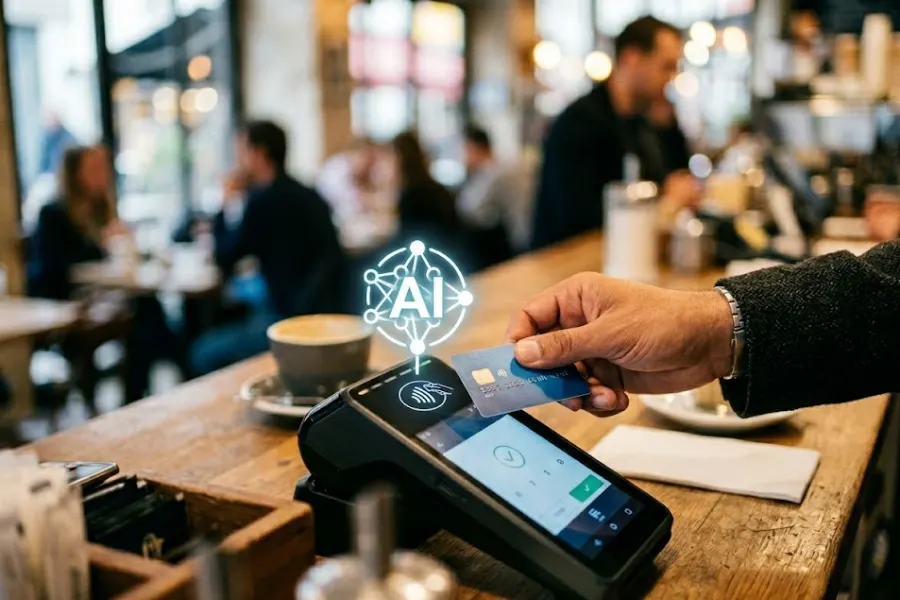
When launching a pop-up store, brands need a POS system that’s fast to deploy, easy to use, and built to handle high-traffic, short-term operations. ConnectPOS is built for that kind of temporary retail setup: real-time inventory syncing keeps stock accurate across locations even during limited-time sales or exclusive drops, and a flexible setup means teams can get running in minutes, whether selling in a busy urban market or a seasonal holiday venue.
Why ConnectPOS fits pop-up retail stores:
- Quick setup: Launch a functional POS system without complex hardware or long installation times.
- Real-time inventory syncing: Keep stock levels accurate across pop-up locations and online channels to avoid overselling or missed sales.
- Multi-payment support: Accept cash, card, mobile wallets, and more, suited to diverse customer preferences in high-traffic environments.
- Mobile POS: Use tablets or handheld devices to serve customers anywhere in the space, reducing lines and speeding up checkout.
- Offline mode: Keep operations running without internet; transactions sync automatically once connectivity returns.
- Instant sales data: Real-time reports to support quick decisions on restocking, promotions, or staffing.
- Omnichannel integration: Sync with your eCommerce platform to unify customer data and order history, even during short-term events.
- Custom receipts and promotions: Tailor receipts or pop-up-specific offers with branding that reflects the temporary retail theme.
Pricing:
- Monthly: Standard $49 per register · Advanced $79 · Premium $99
- Annual: Standard $39 · Advanced $69 · Premium $89
FAQs: Pop Up Retail Store
- What Can I Sell at Pop Up Shops?
You can sell virtually anything at a pop up shop, but the most successful products tend to be non-perishable, portable, and easy to display in a temporary setting. This could include fashion items, beauty products, accessories, home decor, or even art.
The key is to offer products that can be quickly moved and easily restocked. pop up shops are also a fantastic platform for launching new items, as they allow brands to create buzz and generate interest in fresh products.
- Can You Make Money From Pop Up Shops?
Yes, pop up shops can be highly profitable. You can attract new customers, deepen relationships with existing ones, and create a sense of urgency that often leads to faster purchasing decisions.
The temporary and exclusive nature of pop ups encourages impulse buys, while the face-to-face interaction builds trust and brand loyalty. Plus, pop up shops are a cost-effective way to test markets or experiment with new product lines without the overhead of a permanent store.
- How Many Items Should You Have at A Pop Up Shop?
The ideal number of products for a pop up shop depends on several factors, such as the size of the venue, the duration of the event, and how much inventory you can transport. It’s not necessary to bring your entire catalog. In fact, offering a curated selection of your best-selling or most relevant items can create a more focused shopping experience.
- Where Is the Best Place to Open a pop up Shop?
The location of your pop up shop is crucial to its success. Look for areas that are highly visible and accessible to your target audience. High foot traffic zones, such as shopping districts, busy streets, or event venues, can attract passersby. Moreover, ensure that the location is safe and offers amenities like parking or easy public transport access.
Conclusion
All in all, a pop up retail store is a budget-friendly way for businesses to reach new customers, showcase products, try something new, and more. More than just a temporary setup, they provide an opportunity to create excitement around your brand, test new markets, and gather valuable customer feedback. A well-executed pop-up can drive brand awareness, increase customer loyalty, and serve as a testing ground for new products or services. Given the relatively low investment and high potential for returns, the benefits of launching a pop-up store far outweigh the costs, making it a powerful strategy for businesses of all sizes. To explore how ConnectPOS can help streamline your pop-up store operations and maximize your impact, contact us now.
Chat with our team►►► Optimal solution set for businesses: Shopify POS, Magento POS, BigCommerce POS, WooCommerce POS, NetSuite POS, E-Commerce POS