A flagship store is the lead and most prominent retail location of a brand, often placed in a major city or a high-traffic shopping district. It acts as the brand’s showcase space, built to sell products and deliver a richer, more immersive experience that reflects the brand’s identity, values, and vision. People often ask, what is a flagship store in practical terms? It’s the store where the brand “shows its best,” tests new concepts, and creates buzz that carries into other locations and online channels.
What is a flagship store?
A flagship store is a company’s primary or most influential retail location. It’s often the most recognizable outlet in the chain, and it may be:
- the largest store
- the most design-forward store
- the most technology-driven store
- the first store in a new market
Flagship stores are built to showcase a brand in ways a standard location usually can’t. The layout, service model, merchandising, and in-store experiences are all designed to communicate what the brand stands for.
A flagship store often sits in a prestigious or high-visibility area, and it typically carries a wider or curated product range. Some flagships also carry store-only items to create stronger reasons to visit.
Key Features of a Flagship Store
Prime Location:
Most flagship stores sit in high-traffic areas known for shopping and tourism, such as:
- Fifth Avenue (New York)
- Champs-Élysées (Paris)
- Orchard Road (Singapore)
This placement builds visibility and makes the store part of the city’s retail “map.”
Larger Space & Unique Design:
Flagships are often a brand’s biggest stores and feature custom architecture, distinctive interiors, and experiential layouts. The goal is a memorable visit, not a quick transaction.
Exclusive Offerings:
Many flagship stores present:
- limited-edition products
- early access releases
- premium services (styling, engraving, repairs, consultations)
- workshops or demos
These details create urgency and give customers a clear reason to visit the store.
Brand Experience Hub:
A flagship store often works like a brand studio. You may see product testing zones, event areas, cafés, galleries, or immersive displays. These zones make the brand feel tangible and story-driven.
Media and Marketing Magnet:
Flagships often host:
- press previews
- influencer campaigns
- pop-ups and brand partnerships
- seasonal activations
As a result, the store becomes a content engine for the brand’s marketing.
Why Flagship Stores Matter
A flagship store has a great effect on brand perception and retail growth, especially when it’s planned as a long-term asset.
Stronger brand identity
Flagships translate brand identity into something customers can see and feel, from the storefront to the service tone.
Deeper trust and loyalty
A flagship location signals stability and seriousness. It also gives customers a richer way to connect with the brand through events, service, and community.
A place to test new retail ideas
Brands often pilot new layouts, technologies, and product lines in the flagship first, then roll out what works to other stores.
More foot traffic and tourism value
Many flagship stores become destinations. For that reason, they drive steady traffic even outside peak shopping seasons.
Examples of flagship stores
Lush, Oxford Street, London
Lush’s Oxford Street location is one of its largest and most well-known stores. It spans multiple floors and includes experiential zones such as product trial areas and a spa experience. The store also rotates exclusive products that customers can’t buy elsewhere, which keeps visits fresh.
Apple, 5th Avenue, New York
Apple’s Fifth Avenue flagship is known for its striking glass cube entrance and 24/7 schedule. It’s designed for exploration and support, with space for product discovery, guided assistance, and in-store sessions that teach customers how to get more from their devices.
Burberry, Regent Street, London
Burberry’s Regent Street flagship is known for mixing luxury retail with tech-led storytelling. The space has interactive elements, strong visual merchandising, and a café component that encourages longer visits. Burberry also launched store-exclusive collections tied to this location, reinforcing its flagship identity.
Pros & Cons of Opening A Flagship Store
Pros of a flagship store
Strong brand visibility and awareness
A flagship store draws attention, both in-person and online. Photos, events, and word-of-mouth can spread quickly when the store feels unique.
Higher customer loyalty through memorable experiences
When the experience feels special, customers remember it. They come back for launches, seasonal displays, and store-only services.
Retail flexibility for new concepts
A flagship can act as a “lab” for new merchandising, service models, and technology. You can test, refine, and then scale what works.
Cons of a flagship store
Higher costs and higher expectations
Prime locations and custom buildouts cost more. Customers also expect more, from service speed to store presentation, so the operating bar stays high.
Tougher competition in premium areas
Flagships often sit near competing brands. That creates constant pressure to keep experiences fresh and staff training sharp.
Operational complexity
Events, high footfall, wider assortments, and service zones add complexity. Without tight inventory and staff workflows, the experience can break during peak hours.
How ConnectPOS supports a flagship store experience
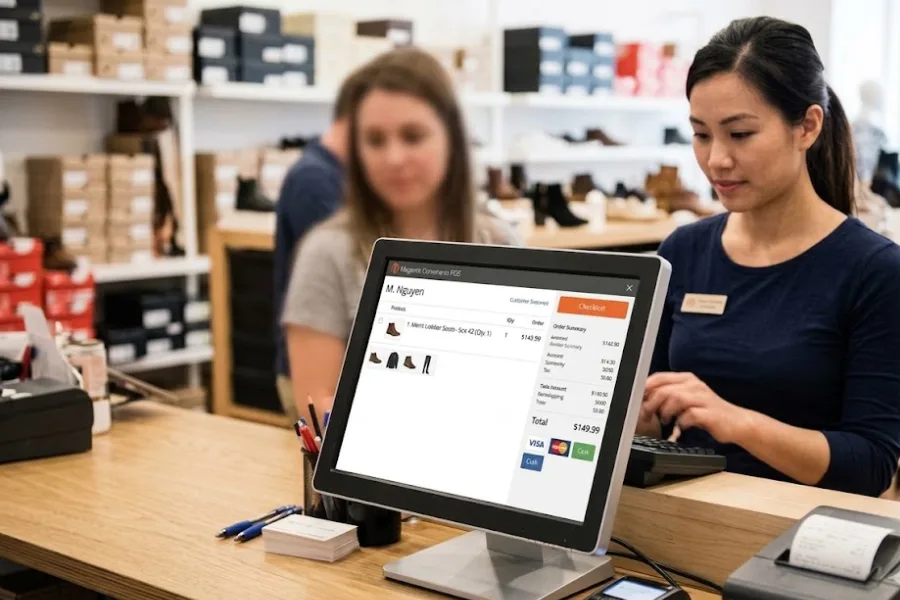
Flagship stores run on high expectations: fast checkout, consistent pricing, real-time inventory visibility, and service that feels personal. ConnectPOS supports these needs with POS features designed for high-volume, high-touch retail.
With ConnectPOS, you can:
- Run omnichannel inventory in one place, so staff can check stock across locations and reduce “sorry, we’re out” moments
- Support fast checkout and mobile selling, useful during events, product launches, and peak foot traffic
- Manage customer profiles and purchase history with CRM, so associates can provide personalized recommendations and smoother returns
- Centralize reporting for flagship performance, tracking sales, staff activity, and product trends with clear dashboards
- Connect promotions across channels, keeping campaigns consistent in-store and online
This kind of setup keeps the flagship experience polished, even when the store is busy and the product mix changes often.
Conclusion
So, what is a flagship store? It’s a brand’s most prominent retail space, built to shape perception, create experiences, and generate momentum across the whole retail network. It can drive awareness, loyalty, and innovation, yet it also demands tighter operations and consistent execution.
If you’re planning a flagship store or upgrading an existing one, ConnectPOS can support daily performance with omnichannel inventory, fast checkout, customer profiles, and reporting built for high-volume retail. Contact us to discuss what your flagship store needs and how ConnectPOS fits your workflow.
►►► Optimal solution set for businesses: Shopify POS, Magento POS, BigCommerce POS, WooCommerce POS, NetSuite POS, E-Commerce POS