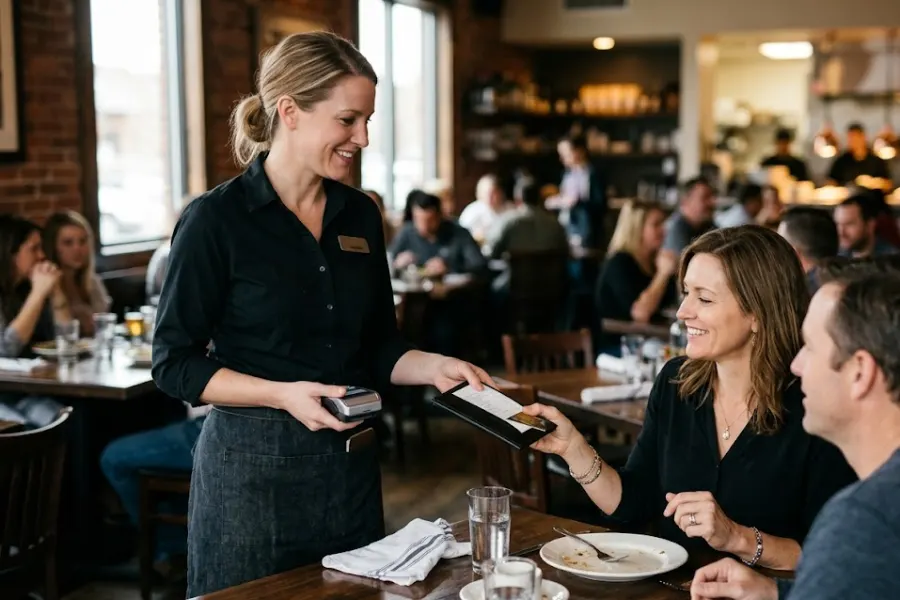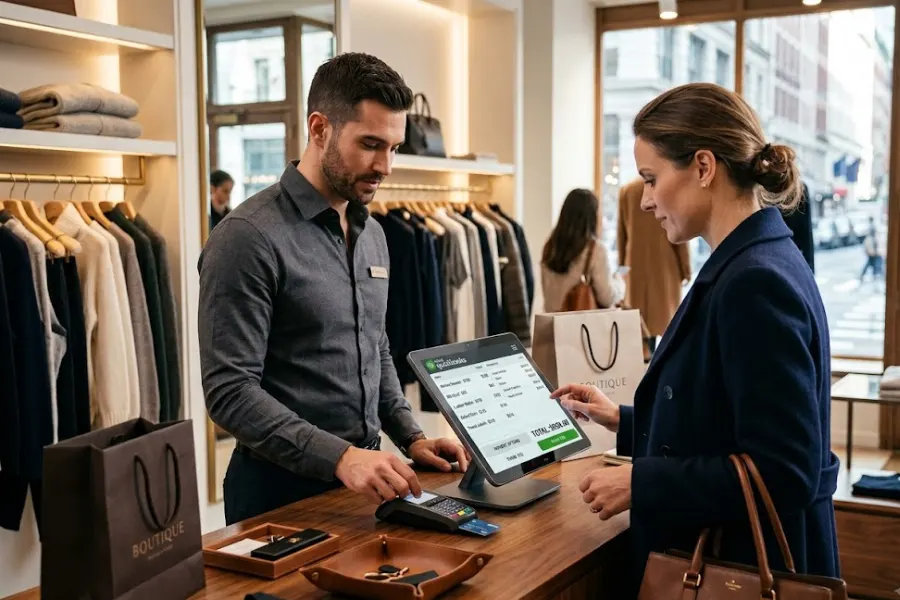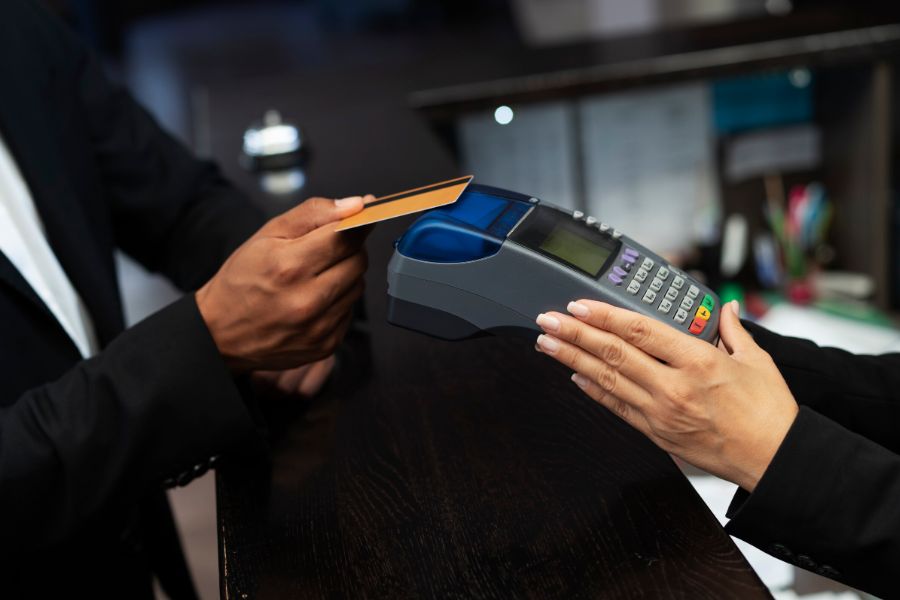
Today’s customers expect flexibility at checkout, and businesses can no longer rely on only cash or traditional card payments. A modern POS system should support a range of payment methods to match changing customer preferences, speed up transactions, and reduce friction during the buying process. The more convenient the payment experience is, the easier it becomes to improve customer satisfaction and increase completed sales.
A POS system should do more than process a transaction. It should support the payment methods customers already use, reduce checkout barriers, and help businesses adapt to changing expectations around speed, convenience, and omnichannel service. Solutions like ConnectPOS help businesses create a smoother and more flexible payment experience across channels. In this article, we will look at the top 5 payment methods that POS systems should support and why each one matters.
What is pos payment methods?
POS payment methods are the types of payments a point-of-sale system can accept during checkout, such as cash, credit cards, debit cards, digital wallets, contactless payments, QR code payments, and buy now, pay later options.
Why payment method support matters in a POS system
The checkout experience can directly affect whether a sale is completed smoothly or lost at the final step. When customers cannot use their preferred payment option, frustration increases, and conversion can suffer. By contrast, a POS that supports a wider mix of payment methods gives businesses more flexibility and helps them serve different customer groups more effectively.
Payment support also affects business efficiency. The right mix can speed up lines, reduce manual handling, improve convenience, and better align the in-store experience with online and mobile shopping habits. This makes payment flexibility an important part of modern retail operations.
1. Credit and debit cards
Credit and debit cards remain one of the most essential payment methods any POS should support. They are still a core part of in-store commerce and are widely expected by customers across sectors. Even as digital alternatives grow, card payments remain a foundation of retail checkout.
Why it matters
Card acceptance gives customers a familiar and trusted payment option. For businesses, it provides a standard checkout method that works well across different transaction sizes and sales environments.
What a POS should support
A strong POS should be able to accept:
- Chip cards
- Swipe cards where relevant
- Debit cards
- Major credit card brands
It should also handle secure authorization and a fast in-store payment flow.
2. Contactless payments
Contactless payments have become one of the most important payment methods for in-person retail. Customers now expect quick and convenient ways to pay without inserting cards or handling cash, especially in busy store environments.
Why it matters
Contactless payments help reduce checkout time and make the payment process feel easier for customers. This is especially useful in high-traffic retail environments where faster service improves both customer experience and staff efficiency.
What a POS should support
Your POS should support:
- Tap-to-pay cards
- NFC-enabled terminals or devices
- Fast approval for smoother checkout
- Compatibility with contactless wallets and mobile devices
3. Digital wallets
Digital wallets are now a must-have payment option for many businesses. Payment methods such as Apple Pay and Google Pay have become part of everyday shopping behavior, especially among mobile-first consumers who value speed and convenience.
Why it matters
Digital wallets offer customers a fast and easy way to pay without using physical cash or manually entering card details. They also support a smoother retail experience for shoppers who prefer using smartphones or smart devices during checkout.
What a POS should support
A POS should be able to accept:
- Apple Pay
- Google Pay
- Other supported digital wallets
- Wallet-based tap payments through NFC-enabled devices
4. QR code payments
QR code payments are becoming increasingly popular in many markets, especially where mobile banking apps and digital wallet usage are strong. They give customers another easy way to complete payments using their phones.
Why it matters
QR code payments can make checkout more convenient for customers who prefer app-based or bank-linked payments rather than cards or cash. They can also work well in mobile, pop-up, and flexible retail environments.
What a POS should support
A POS should support:
- Generating or displaying payment QR codes
- Integration with supported banking or wallet apps
- Fast confirmation of successful payment
- Clear staff visibility at checkout
5. Buy now, pay later
Buy now, pay later, or BNPL, has become an important payment option for businesses that want to offer customers more flexibility, especially for higher-value purchases.
Why it matters
BNPL can help reduce hesitation at checkout by giving customers a more manageable way to pay. For businesses, it can support conversion and potentially increase average order value in categories where purchase decisions are more price-sensitive.
What a POS should support
A POS should support:
- Eligible BNPL providers
- Smooth approval or linked checkout flow
- Clear payment breakdown for customers
- Staff visibility into payment confirmation
How to choose the right payment mix for your POS
Not every business needs the same payment setup. The right mix depends on your market, customer preferences, transaction size, and business model. However, most modern POS systems should at least support cards, contactless payments, and digital wallets. QR payments and BNPL can then add further flexibility depending on location and product type.
When reviewing a POS, ask:
- Does it support both traditional and mobile-first payments?
- Can it handle fast in-store checkout?
- Does it match the payment behavior of your target customers?
- Can it support future growth across channels?
These questions matter because payment flexibility is no longer just a technical feature. It is part of the customer experience.
Conclusion
A modern POS should not limit customers to only one or two ways to pay. As payment habits continue to evolve, businesses need systems that support both traditional methods and newer forms of checkout convenience. Cards still matter, but contactless, digital wallets, QR code payments, and BNPL are becoming increasingly important in many markets.
The best POS payment setup is the one that matches how your customers actually want to pay. When a system supports the right payment methods, checkout becomes smoother, customer satisfaction improves, and businesses are better positioned to capture more completed sales.
Lastly, if you are looking for a POS that supports various types of payment methods, ConnectPOS can be a good option. Contact us or start a 14-day free trial if you are interested!
►►► Optimal solution set for businesses: Shopify POS, Magento POS, BigCommerce POS, WooCommerce POS, NetSuite POS, E-Commerce POS