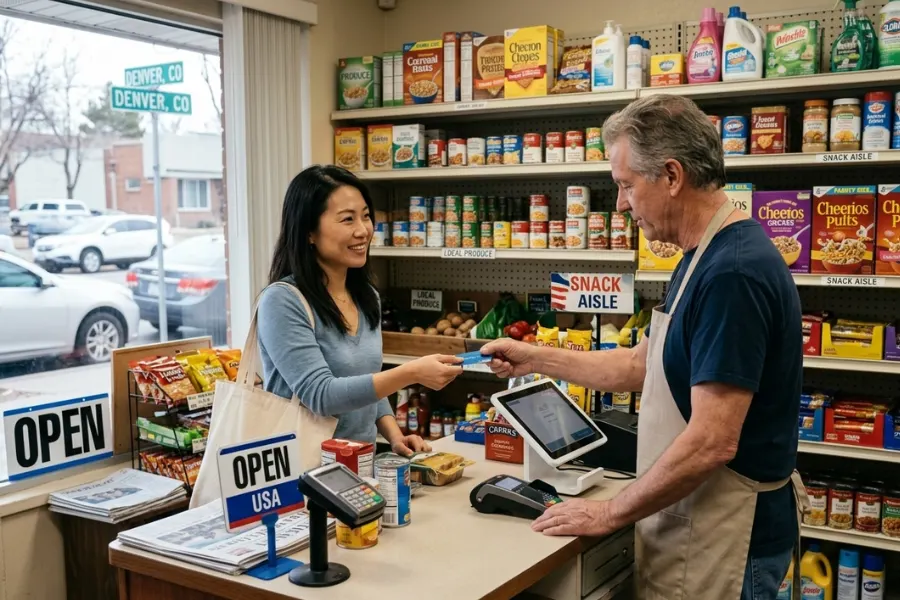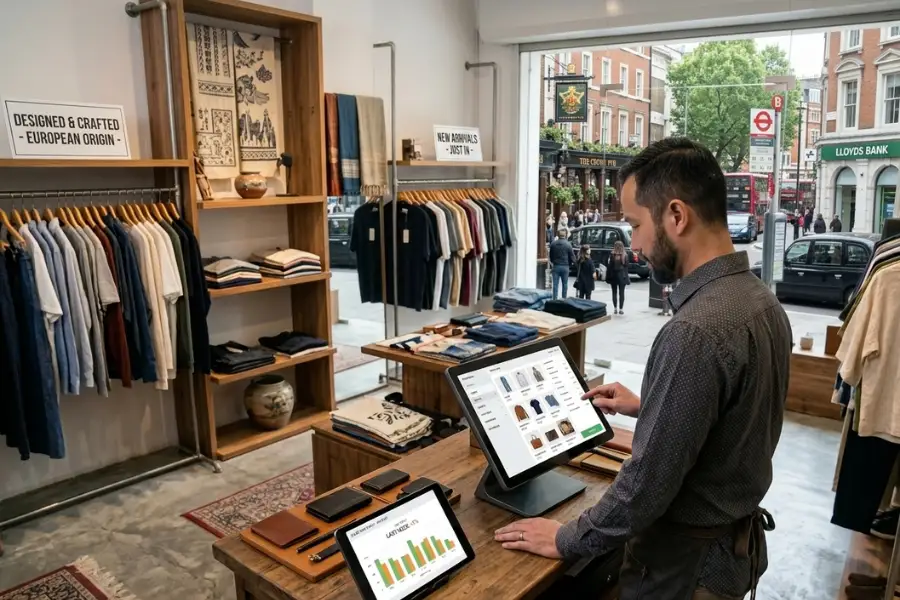
Retail operations generate vast amounts of transactional data every day, covering sales, inventory movement, promotions, and customer interactions. Extracting actionable insights from this data needs more than basic reporting; it needs continuous monitoring of performance across stores and digital channels to detect trends, manage stock, and guide pricing decisions. This article from ConnectPOS advises on how automated sales reporting and synchronized data flow of retail POS program transform raw transactions into reliable business intelligence that supports both operational control and strategic planning.
Highlights
- Smart sales reporting provides continuous insight into revenue, margin, promotion impact, and customer behavior across all channels to detect trends early and guide pricing, inventory, and forecasting decisions.
- Automated sales data sync needs consistent updating of transactions, inventory, and financial records from each store and digital platform to maintain accurate reporting and support reliable operational and strategic decisions.
Competitive Advantages of Having A Smart Sales Reporting
Smart sales reporting creates a clear competitive edge by replacing assumptions with verified performance data. Research shows that retailers using data analytics achieve 5–10% higher productivity and 23% greater profitability than peers. Leaders gain visibility into margin by SKU, revenue by channel, conversion by associate, and promotion impact, enabling stronger pricing discipline, tighter inventory planning, and more accurate forecasting.
When transactions across stores and digital channels feed into a unified reporting view, management can quickly detect margin erosion or discount irregularities and act early. Retailers applying predictive analytics report 20–30% lower inventory holding costs and fewer stockouts, proving that real-time reporting directly improves financial and operational performance.
Beyond operational clarity, intelligent reporting strengthens strategic decision-making – guiding assortment planning, identifying high-value customer segments, and supporting more confident expansion and capital allocation in competitive markets.
Core Retail POS Program Features for Automated Sales Reporting & Seamless Data Sync
Accurate sales reporting depends on more than basic transaction recording. A carefully crafted retail POS program integrates automated reporting logic and synchronized data architecture to create a unified, reliable view of retail performance across all channels and departments.
Real-Time Sales Data Capture & Centralized Management
Real-time sales data capture in a retail POS program records transactions at the exact moment of completion and transmits structured data into a centralized repository. This includes SKU-level details, applied promotions, payment breakdowns, tax calculations, and associate identifiers. Managers gain immediate visibility into hourly sales trends, product velocity, and basket composition, which supports responsive merchandising and staffing decisions.
Centralized management consolidates this transaction flow across every store and digital touchpoint. Instead of comparing disconnected reports, leadership reviews standardized dashboards built on the same data logic. This alignment improves confidence in revenue numbers, supports accurate stock replenishment planning, and strengthens oversight of discount and pricing compliance across the organization.
Automated End-of-Day & Period Reporting
Automated end-of-day reporting compiles transaction totals, cash drawer balances, card settlements, refunds, and tax summaries into structured digital reports. Store teams close shifts based on system-generated figures rather than manual tallying. This structure supports tighter financial control and clearer audit trails for internal review.
At the weekly and monthly level, automated period reporting aggregates validated sales data into executive summaries. Revenue by channel, margin by category, and performance by location become accessible without manual spreadsheet assembly. Finance and commercial teams rely on consistent data outputs when evaluating profitability trends, forecasting demand, and assessing promotional performance.
Customizable Reporting Dashboards
Customizable dashboards in a retail POS program allow organizations to define performance views aligned with strategic priorities. Retail executives monitor gross margin trends and average transaction value, while store managers track conversion rates, return ratios, and daily revenue targets. Configurable KPI layers reflect each role’s decision scope.
This adaptability strengthens internal accountability. Regional directors compare store clusters using identical metric definitions, and marketing teams assess campaign performance using transaction-level data. Clear visibility into relevant indicators supports informed discussions grounded in shared performance benchmarks.
Real-Time Data Sync Across Retail Systems
Real-time data synchronization connects retail POS program activity with accounting platforms, ERP systems, inventory databases, and e-commerce engines. When a product sells at a physical register, stock counts update across digital storefronts and warehouse systems without delay. This alignment protects stock integrity and prevents fulfillment conflicts.
Financial records also reflect sales activity as it happens. Payment confirmations, tax calculations, and revenue allocations synchronize with accounting software, limiting reconciliation discrepancies at month-end. This interconnected system architecture establishes a coherent data ecosystem where operational and financial reporting remain aligned.
Offline-to-Online Auto Sync
Offline-to-online auto sync safeguards transactional continuity during connectivity interruptions. Sales processed during network downtime are stored securely on local devices, capturing all relevant transaction attributes, including payment authorization references and product details. Store activity continues without disruption, protecting revenue flow and customer service standards.
When connectivity resumes, queued transaction data transfers automatically into the centralized database. Inventory balances adjust, financial records update, and reporting dashboards reflect complete sales history without manual intervention. This capability prevents data gaps and preserves reporting integrity even in environments where network reliability fluctuates.
ConnectPOS Retail POS Program For Automating Sales Reporting And Data Sync
ConnectPOS retail POS program is built to transform transactional data into structured business intelligence across physical and digital channels. The system automates sales reporting while maintaining synchronized data flows between stores, e-commerce platforms, inventory systems, accounting software, and CRM environments, giving retail leaders a unified view of performance at any moment.
Key Capabilities
- Real-Time Sales Data Capture: Every transaction updates instantly across connected systems, providing immediate visibility into revenue, stock levels, customer activity, and payment status.
- Automated End-of-Day & Period Reporting: Daily, weekly, and monthly reports and analytics are generated automatically with validated sales totals, tax summaries, discount tracking, and payment reconciliation to support financial oversight.
- Centralized Multi-Location Management: Monitor sales performance, inventory movement, and staff activity across all stores through a unified reporting interface with standardized metrics.
- Insightful Sales & Customer Data: Track purchasing behavior, identify repeat customer patterns, and analyze lifecycle data to support targeted promotions and revenue planning.
- Customizable Reporting Dashboards: Configure KPI views based on business priorities such as margin by category, average transaction value, sell-through rates, or campaign performance.
- Automated Inventory Alerts: Receive notifications for low stock or overstock situations, supporting timely replenishment and tighter inventory control.
- Omnichannel Data Synchronization: Consolidate online and in-store transactions into one reporting ecosystem, preventing data silos and improving cross-channel transparency.
- Offline-to-Online Data Sync: Maintain uninterrupted sales during connectivity disruptions, with automatic synchronization once the network connection is restored.
- Integrated Ecosystem Connectivity: ConnectPOS integrates with ERP systems, payment gateways, e-commerce platforms, inventory management tools, and CRM software to maintain reporting alignment across the organization.
FAQs: Retail POS Program
1. What is automated sales reporting in a retail POS program?
Automated sales reporting is a feature that allows a retail POS program to automatically collect, process, and generate sales reports in real time. Instead of manually compiling data, the system updates transactions instantly and provides insights into revenue, best-selling products, taxes, discounts, and staff performance.
2. How does data sync work in a retail POS system?
Data sync ensures that all business data, including sales, inventory, customer information, and orders, is updated across multiple stores and channels in real time. Whether you operate physical stores, eCommerce websites, or marketplaces, synchronized data prevents discrepancies and keeps operations aligned.
3. Can automated POS reporting improve inventory management?
Yes. Automated reporting tracks product movement continuously, helping retailers identify fast-moving and slow-moving items. This allows businesses to optimize stock levels, reduce dead stock, and avoid out-of-stock situations.
Conclusion
Automated sales reporting and data synchronization of retail POS program delivers clarity across revenue, inventory, and customer activity. Maintaining accurate records across stores, e-commerce platforms, and financial systems needs more than occasional audits; it needs consistent, real-time alignment to support informed decisions and forecast demand.
ConnectPOS provides a unified platform to handle these processes, giving retail leaders a comprehensive view of performance and the confidence to act decisively. Explore ConnectPOS to see how structured sales reporting and data sync can strengthen operational oversight and business growth.
►►► Optimal solution set for businesses: Shopify POS, Magento POS, BigCommerce POS, WooCommerce POS, NetSuite POS, E-Commerce POS