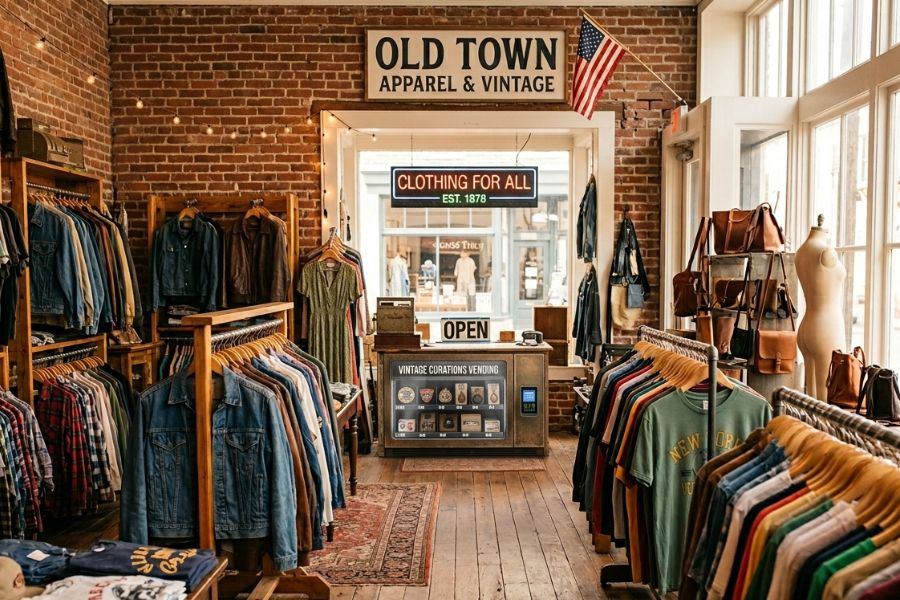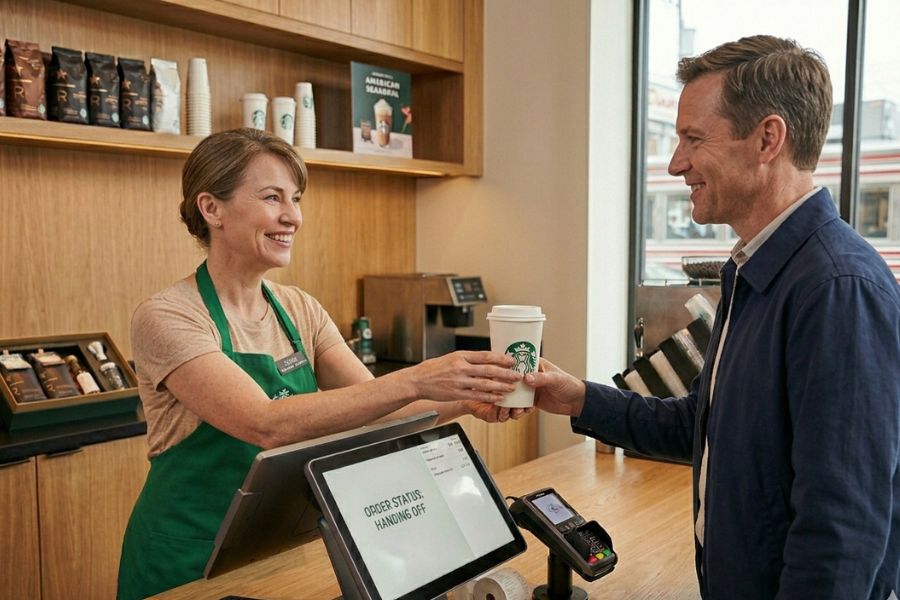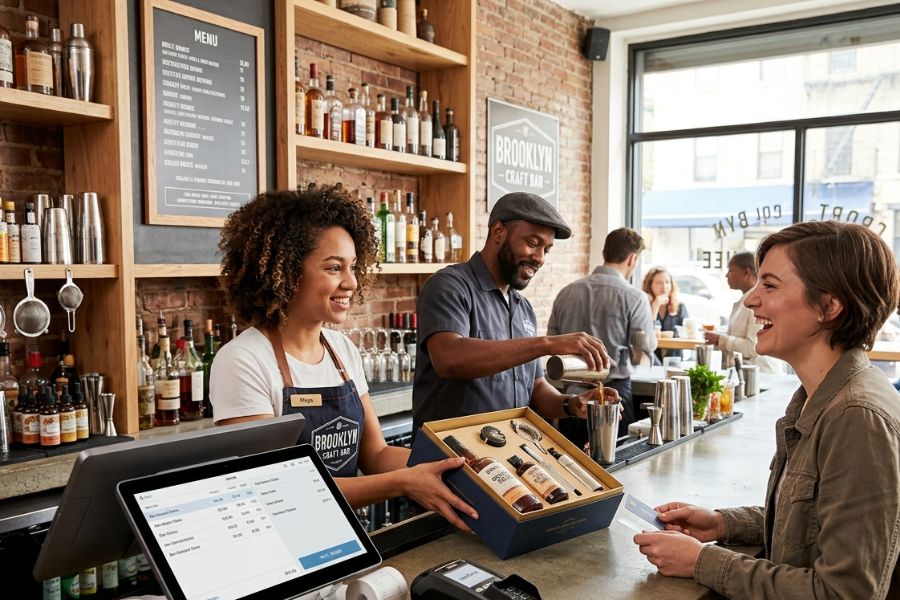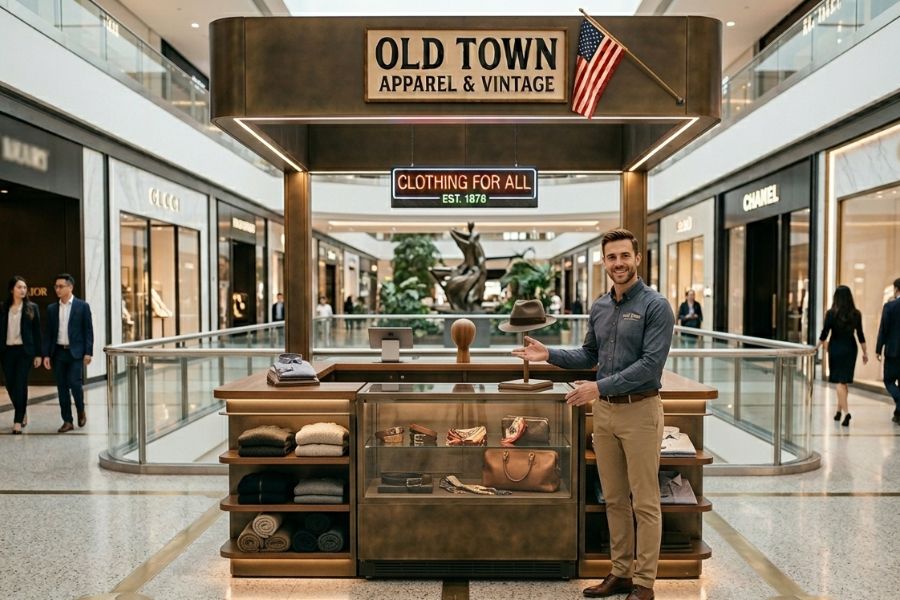
Fashion retail in 2026 runs on speed and precision. Trends shift quickly, collections rotate faster, and shoppers expect instant stock visibility across every channel. That’s why clothing point of sale software can no longer stay basic. It must handle complex variants, real-time sync, and omnichannel selling as a standard, not an add-on. In this guide of ConnectPOS, we’ll break down the features that define a modern apparel POS system.
Highlights
- In 2026, variant-level inventory tracking is no longer optional. Retailers must manage size, color, and style accurately to avoid stock imbalance.
- Real-time synchronization across stores and ecommerce channels is a baseline expectation in 2026, preventing overselling and keeping inventory consistent everywhere.
- Clothing POS systems combine omnichannel returns, mobile checkout, and data-driven insights to support faster decisions and smoother daily operations.
What Is Clothing Point of Sale Software?
At its core, clothing point of sale software is built for the way apparel stores actually operate. It goes beyond ringing up items and tracks how each size, color, and style moves through your store.
This setup brings sales, inventory, and customer data into one platform. When a shirt sells in-store, stock updates instantly. When a return happens, numbers adjust without manual fixes. The platform becomes the control center for daily retail activity.
Generic POS tools struggle here. They treat products as single items, not variants. An apparel POS system tracks every option under one product, so staff always know what’s really available.
This category of software is common among:
- Boutiques: Small teams managing fast-changing collections and limited stock.
- Fashion chains: Multi-location brands that need shared inventory visibility.
- Omnichannel retailers: Stores selling online and in-store under one system.
As fashion retail grows more complex, a POS system for clothing stores turns from a checkout tool into an operational backbone.
The Real Reason Clothing Stores Can’t Rely on Generic POS Software in 2026
Fashion retail breaks rules that standard retail follows. Products change fast, customers shop across channels, and loyalty expectations keep rising. A basic register setup can’t support that pressure for long. In 2026, the gap between generic POS and apparel-focused systems shows up in daily operations.
- Shoppers buy across multiple channels: Customers browse online, check stock on mobile, and complete purchases in-store. Generic POS systems don’t unify carts, orders, and inventory in real time, which leads to mismatched stock and lost sales.
- Personalization is now expected: Today, shoppers expect staff to see their purchase history, preferences, and past returns instantly. A generic tool treats every customer the same, while an apparel POS supports tailored recommendations and clienteling.
- Loyalty programs go beyond simple points: Modern fashion brands run tiered rewards, member-only pricing, birthday perks, and early-access drops. Basic systems can’t handle layered loyalty logic without manual workarounds.
- Omnichannel returns are part of daily flow: Customers buy online and return in-store without hesitation. Generic POS setups struggle to sync refunds, exchanges, and inventory instantly across locations.
- Real-time data drives buying decisions: Brands rely on live sell-through rates, size performance, and trend signals. Generic systems provide static reports that arrive too late to react.
- Customer experience extends beyond checkout: Mobile checkout, endless aisle orders, and digital receipts shape how shoppers perceive a brand. A standard cash register setup wasn’t built for that level of flexibility.
Generic tools were designed for simple transactions. Modern apparel retail demands connected data, personalized service, and loyalty-driven growth. When those expectations rise, stores need more than a basic POS.
Essential Features of Clothing Point of Sale Software in 2026
As fashion operations grow more layered, POS tools must handle more than checkout. Inventory accuracy, speed, and visibility now shape daily decisions on the floor. We’ll start with the features that carry the most weight once volume and variants increase.
Variant-Based Inventory Management (Size, Color, Style)
In apparel retail, inventory doesn’t move evenly. A single product can split into dozens of size and color combinations, each selling at a different pace. An apparel POS system tracks these options under one product instead of treating them as isolated items.
This setup follows stock at the variant level. Staff can see which sizes sell first and which colors lag behind, right at the counter. That clarity helps buying teams avoid piling up slow sizes while popular ones vanish early.
Stock checks also become easier. When counts update per variant, replenishment stays grounded in real demand rather than rough estimates.
Real-Time Inventory Tracking Across Channels
Fashion sales rarely happen in one place anymore. Orders come from the store, the website, and sometimes pop-up events. A fashion POS software setup updates inventory the moment a sale or return happens, no matter where it starts.
The platform shares visibility across stores, warehouses, and online listings. Low-stock signals appear before shelves go empty, giving teams time to react. During peak seasons, this prevents overselling and awkward backorders.
For you on the floor, it means fewer surprises. What the screen shows is what’s actually available.
Loyalty Programs, Discounts, and Promotions
Fashion promotions live on tight timing. End-of-season sales, flash discounts, and member rewards often overlap, which makes control tricky. An apparel retail POS keeps all pricing logic inside one setup instead of relying on manual overrides.
Discount rules apply directly at checkout. Staff don’t need to remember which items qualify or which dates apply. The platform handles loyalty points, vouchers, and gift cards as part of the same flow, so customers see rewards applied without confusion.
Pricing stays consistent during busy campaigns. When tags, screens, and receipts match, trust stays intact and mistakes fade into the background. If loyalty is a core growth driver, a dedicated loyalty program POS setup makes these campaigns easier to run at scale.
Flexible Payment and Checkout Options
Checkout speed shapes how shoppers remember a visit. Long lines and payment friction cut momentum fast. A fashion retail POS platform supports cards, contactless payments, mobile wallets, and split payments in one screen.
Transactions move quicker during peak hours because staff don’t switch between tools. Digital receipts and gift card redemption happen within the same process, keeping lines moving.
For shoppers, payment feels simple. For teams, the platform keeps checkout calm even when the store fills up.
Mobile POS and In-Store Flexibility
Sales no longer stay behind the counter. Staff move across the floor, check stock, and help shoppers compare options on the spot. An in-store POS system for clothing retailers runs on tablets or handheld devices, so service follows the customer.
Lines thin out during rush hours because checkout happens anywhere. Pop-ups and temporary stores also stay connected without extra setup. This setup keeps teams mobile and focused on selling, not walking back and forth, especially when using a mobile POS flow built for on-floor selling.
Returns and Exchange Handling for Apparel
Returns sit at the center of fashion retail. Sizes don’t fit. Colors look different at home. A POS software for apparel brands handles exchanges and refunds as part of normal flow, not a special case.
When an item comes back, stock updates right away. Refunds work across channels without extra steps. Sales records stay clean, which keeps reporting and reordering on track.
Sales Reports and Retail Analytics
Fashion decisions rely on timing. Knowing what sold yesterday often matters more than last month. A retail POS for fashion businesses turns daily sales into clear signals instead of raw numbers.
The platform highlights best sellers and slow movers without digging through spreadsheets. Size and color performance become visible, which helps buyers spot gaps early. When report & analytics views stay clear, planning future collections feels grounded, not reactive.
Staff Management and Access Control
Retail teams change often, especially during peak seasons. An apparel-focused POS solution keeps control steady as staff rotates in and out.
Role-based access limits what each person can see or change. Sales performance stays tied to individual logins, which builds accountability on the floor. This setup also helps scheduling and oversight stay organized without slowing daily work.
Multi-Store Management and Centralized Control
Growth adds layers fast. One store turns into two, then five, then more. A POS system for clothing stores keeps every location tied to the same source of truth.
Pricing, inventory, and reports stay consistent across stores. Transfers happen without guesswork. A true multi store POS setup lets teams expand without losing control or relying on manual updates between locations.
Cloud-Based Architecture and Offline Mode
Retail doesn’t pause when the internet drops. A fashion POS software setup runs in the cloud while still supporting offline sales when connections fail.
Staff keep selling without disruption. Once the network returns, data syncs back automatically. Owners can also check performance remotely, which keeps oversight steady even when you’re not on-site.
Integrations With Ecommerce, Accounting, and Marketing Tools
Fashion retail runs on connected data. A retail POS for fashion businesses links in-store sales with ecommerce, accounting, and marketing tools without extra steps.
Orders and inventory sync between channels as sales happen. Revenue flows into accounting records without re-entry. Marketing and CRM tools pull clean purchase data, which helps campaigns stay relevant instead of guessing. This setup cuts handoffs and keeps teams focused on the floor.
Security and Compliance
Trust shows up at checkout first. An in-store POS system for clothing retailers protects payment details and customer records while keeping activity visible.
Transactions follow PCI rules, access stays role-based, and audit logs track changes over time. Shoppers feel safe tapping to pay. Retailers gain confidence knowing the platform guards data as volume grows.
Forward-Looking POS Features Clothing Retailers Are Adopting
Fashion retail keeps shifting faster than store layouts or buying cycles. New tools now shape how teams plan stock, guide shoppers, and react to demand changes. This is where a clothing store POS software setup starts moving beyond daily operations and into forward planning.
- AI-driven demand forecasting: Sales history feeds into smarter forecasts that spot demand patterns early. This helps teams order closer to what will sell instead of guessing months ahead.
- Smarter product suggestions: Purchase history and browsing behavior guide on-the-spot recommendations. Staff can suggest matching items that fit a shopper’s style without pushing too hard.
- Predictive seasonal planning: An apparel POS system looks at past seasons to flag when items usually peak or drop. That insight supports cleaner transitions between collections.
- Merchandising decisions backed by data: Color, size, and category trends surface quickly. Buyers see what earns shelf space and what should move out sooner.
These tools don’t replace retail instinct. They support it with clearer signals, so decisions feel informed rather than rushed.
How to Choose the Right Clothing Point of Sale Software
Choosing a POS is less about chasing trends and more about fit. The right fashion POS software should match how your store actually runs today, while leaving room for what comes next. A clear lens helps you sort signal from noise.
- Fit with store size and model: A single boutique needs speed and clarity. A growing chain needs controls and shared data. This setup should reflect how many locations you run and how inventory flows between them.
- Real costs over time: License fees are only part of the picture. Hardware, updates, integrations, and support shape the true spend as months add up.
- Room to grow without friction: An apparel retail POS should scale as locations, channels, or staff counts rise. Growth feels smoother when the platform doesn’t force a rebuild.
- Onboarding and day-to-day support: Training matters as much as features. Teams settle in faster when setup, data migration, and ongoing help feel structured and responsive.
- Usability on the shop floor: Let staff test the flow before rollout. A POS system for clothing stores works best when checkout feels natural during real rush hours.
A careful choice here pays back every day. When the system fits your rhythm, selling stays focused on customers, not screens.
ConnectPOS: Built for Modern Clothing Point of Sale Software Needs
ConnectPOS fits apparel retail where complexity shows up fast. Sizes, colors, styles, returns, and seasonal peaks all hit at once. This platform keeps control tight while staying easy for staff to use, from boutiques to multi-store fashion brands.
- Variant-based inventory control: Track size, color, material, and style at SKU level. Stock stays accurate across every variation.
- Real-time inventory sync: Inventory updates instantly after each sale, return, or transfer. No lag between store and system.
- Omnichannel selling support: Manage in-store and online sales in one place. Inventory and orders stay aligned across channels.
- Multi-store management: Control pricing, stock, and reports from a single dashboard. Expansion stays manageable.
- Advanced stock operations: Handle transfers, stocktakes, low-stock alerts, and overstock warnings without manual work.
- Fast and flexible checkout: Support cards, Apple Pay, store credits, reward points, split payments, and BOPIS flows.
- Mobile and self-checkout POS: Serve customers anywhere on the floor or let them scan and pay on their own to skip lines.
- Returns and exchanges handling: Process size swaps and refunds cleanly while keeping inventory accurate.
- Customer profiles and clienteling: View purchase history, wishlists, and carts to suggest matching items and accessories.
- Loyalty programs and promotions: Run discounts, reward points, gift cards, and seasonal campaigns directly at POS.
- Sales reports and retail analytics: See top sellers, slow movers, size performance, and staff sales in clear reports.
- Staff access control: Set roles and permissions to reduce errors and improve accountability.
- Offline selling mode: Keep selling during network issues. Data syncs automatically once the connection returns.
- Cloud-based architecture: Access data anytime without local servers. Updates roll out smoothly.
- Open API and integrations: Sync with ecommerce, CRM, loyalty, and accounting tools without data silos.
- Self-service and automation options: Support barcode scanning, smart workflows, and faster in-store operations.
- End-to-end onboarding support: Get help with data migration, hardware setup, and payment configuration.
ConnectPOS works as the backbone of clothing point of sale software, not just a checkout screen. It keeps apparel inventory clean, selling flexible, and growth under control as fashion retail scales.
FAQs: Clothing Point of Sale Software
What is clothing point of sale software?
Clothing point of sale software is built for apparel retail workflows. It handles size, color, and style variants, tracks inventory in real time, and connects in-store and online sales in one system.
How does clothing POS software manage size and color variants?
The system tracks inventory at SKU level for each size, color, and material. This helps stores avoid running out of popular sizes while overstocking others.
Can clothing point of sale software support omnichannel retail?
Yes. It syncs inventory, orders, and customer data across in-store and online channels. This supports buy online pick up in store, ship from store, and returns across locations.
How does a POS system help with returns and exchanges in apparel stores?
It processes refunds and size exchanges while updating inventory instantly. Stock levels stay accurate even when customers return or swap items.
Is clothing point of sale software suitable for multi-store fashion brands?
It works for both single boutiques and growing chains. Owners can manage inventory, pricing, and reports across multiple locations from one dashboard.
Final Thoughts
Running a fashion business today means juggling variants, returns, fast trends, and rising customer expectations. That’s where clothing point of sale software proves its worth. The right setup keeps inventory accurate, sales connected, and daily operations steady as you grow. Instead of reacting to stock issues or data gaps, you gain clarity across stores and channels. If you’re ready to bring structure to complexity and build a POS foundation that grows with your brand, it’s time to take the next step. Feel free to contact us and explore how ConnectPOS can support your retail journey.
►►► Optimal solution set for businesses: Shopify POS, Magento POS, BigCommerce POS, WooCommerce POS, NetSuite POS, E-Commerce POS