Fashion marketing is tricky because it sits at the intersection of taste, timing, and identity. Your audience can fall in love with a look in seconds, then move on just as fast. That’s why having a clear tip to boost online presence for fashion brands isn’t about chasing every trend. It’s about building a repeatable system that keeps your brand visible, consistent, and easy to buy from across channels.
We’ll look into the 8 most effective strategies you can start applying now.
8 Most Effective Tips to Boost Online Presence for Fashion Brands
Expand e-commerce across website, mobile, and social commerce
Physical retail has faced heavy pressure over the last decade, with more than 1,875 fashion store closures reported in 2017. Yet the global fashion market continues to grow, with revenue projected to rise from US$664,474 million (2020) to US$1,003,541 million (2025). Brands that meet shoppers online capture that growth.
Start with a website that sells, not just showcases. Collection pages should be easy to browse, product pages should answer fit questions quickly, and checkout should feel simple. Then build outward into mobile commerce and social commerce based on where your audience spends time.
A focused expansion plan works well:
- Social commerce touchpoints for discovery-led buying
- Website as the brand home base (SEO, collections, customer data)
- Mobile-ready shopping flow (fast pages, simple navigation)
Tighten mobile experience with mobile-first design and customer app logic
Mobile is where many fashion purchases begin, but it’s also where people bounce when the experience feels slow or unclear. If shoppers can’t confirm sizing, shipping, or returns in seconds, they’ll move on.
Treat mobile product pages like your best store associate: clear, fast, and confident. Make sizing and fit guidance obvious, keep imagery consistent, and remove anything that slows checkout.
A few mobile improvements that usually pay off:
- Fit notes and size guide placed near the size selector
- Fast image swipe with consistent angles
- Express checkout options and fewer form fields
Build a blog that targets style intent (and links to products)
A blog works when it answers questions shoppers already search for: outfit ideas, seasonal edits, fabric education, and care guides. This kind of content brings organic traffic, builds trust, and gives customers a reason to return even when they’re not ready to buy today.
Keep the blog tied to commerce. Each post should guide the reader naturally toward a collection or product page. That way, content becomes a steady acquisition channel rather than a branding project that’s hard to measure.
A simple structure that stays manageable:
- 2–4 seasonal trend or styling posts per quarter
- Category fit guides (jeans, blazers, dresses)
- Fabric/care guides that reduce returns
Keep your brand look consistent across channels
Shoppers research before they buy, and 81% of shoppers research a product online before making a purchase. In fashion, that research is highly visual. If your Instagram looks premium but your website looks inconsistent, customers hesitate.
Consistency builds recognition and trust. Align your visuals and messaging across social, ads, emails, and your site so customers feel like they’re dealing with one brand, not separate teams.
Keep these elements consistent:
- Logo usage and brand imagery styler.
- Color palette, typography, and tone of voice
- Product photography rules (lighting, background, angles)
Work with creators who match your buyer, then reuse the content
Influencer marketing works best when the creator feels like a genuine customer. A huge follower count won’t matter if the audience doesn’t buy your style or your price point.
Start with creators who already talk to your target segment, then build content that shows the product in real life: try-ons, styling combinations, “3 ways to wear,” and day-to-night transitions. These formats answer the questions shoppers care about: fit, comfort, and how the item looks outside studio lighting.
Keep it structured:
- reuse the best creator posts across ads, product pages, and email flows
- agree on the message and required shots (fit, fabric close-up, movement)
- track performance using promo codes or landing pages
Apply AI where it improves speed and relevance
Fashion shoppers expect quick answers and personalized discovery. AI can support that by shortening response time and guiding customers toward products they’re more likely to buy.
Practical AI applications include:
- Chat support for sizing questions, shipping, returns, and order tracking
- Recommendation logic based on browsing and purchase patterns
- Personalized merchandising in email and on-site experiences
The goal is simple: reduce decision friction and keep shoppers moving forward.
Use FOMO with real constraints
FOMO influences buying behavior in measurable ways:
- 56% of social media users suffer from FOMO worldwide.
- 68% of Canadian Millennials claimed to make an unexpected purchase because of the FOMO effect.
- 50% of American adults experience FOMO at least once a month and 15% have weekly FOMO effect.
Fashion brands can apply urgency in a credible way using limited drops, timed campaigns, and early access programs. Yet urgency must be honest. If everything is “limited,” customers stop believing it.
A simple FOMO toolkit:
- Back-in-stock alerts for high-demand items
- Timed drops (48–72 hours) with a clear end date
- Accurate low-stock messages for key sizes
- Early access for email subscribers or loyalty members
Turn customers into proof with reviews, testimonials, and UGC
Apparel buying carries risk: fit, color accuracy, fabric feel. Reviews reduce that risk and create social proof that new shoppers trust.
Collect reviews consistently and place them where decisions happen. Product pages matter most, but reviews also work well in retargeting ads and post-click landing pages. Photo reviews and sizing context can reduce returns by setting expectations before purchase.
A review flow that stays simple:
- Encourage photos with a small incentive or loyalty points
- Ask after delivery, once the customer has tried the item
- Request fit feedback and size purchased
How to measure online presence without chasing vanity metrics?
Online presence becomes meaningful when it links to revenue and retention. A practical measurement approach tracks a few metrics per stage, then improves the weakest stage first.
Awareness (Are new shoppers finding you?)
Watch for:
- Branded search growth
- Social reach and profile visits
- Top landing pages bringing in first-time users
If awareness rises but sales don’t, the issue usually sits in product pages or checkout.
Consideration (Are they engaging with the product?)
Track:
- Product page views per session
- Add-to-cart rate
- Email signup rate from blog and social traffic
If engagement is low, refine imagery, size guidance, and category navigation.
Conversion + retention (Are they buying and coming back?)
Look at:
- Checkout completion rate, especially on mobile
- Conversion rate by channel
- Repeat purchase rate through email and loyalty segments
Returns data also tells a story. High return rates often point to unclear sizing, inconsistent photography, or mismatched expectations.
Where ConnectPOS fits: turning visibility into smooth omnichannel buying
Marketing can generate demand quickly, especially through drops and creator campaigns. Operations need to keep up so customers don’t face out-of-stock surprises or inconsistent experiences across channels.
ConnectPOS supports fashion brands with:
- Matrix inventory management for size/color/style at SKU level
- Real-time stock sync across stores and online channels
- Multi-store control for pricing and promotions
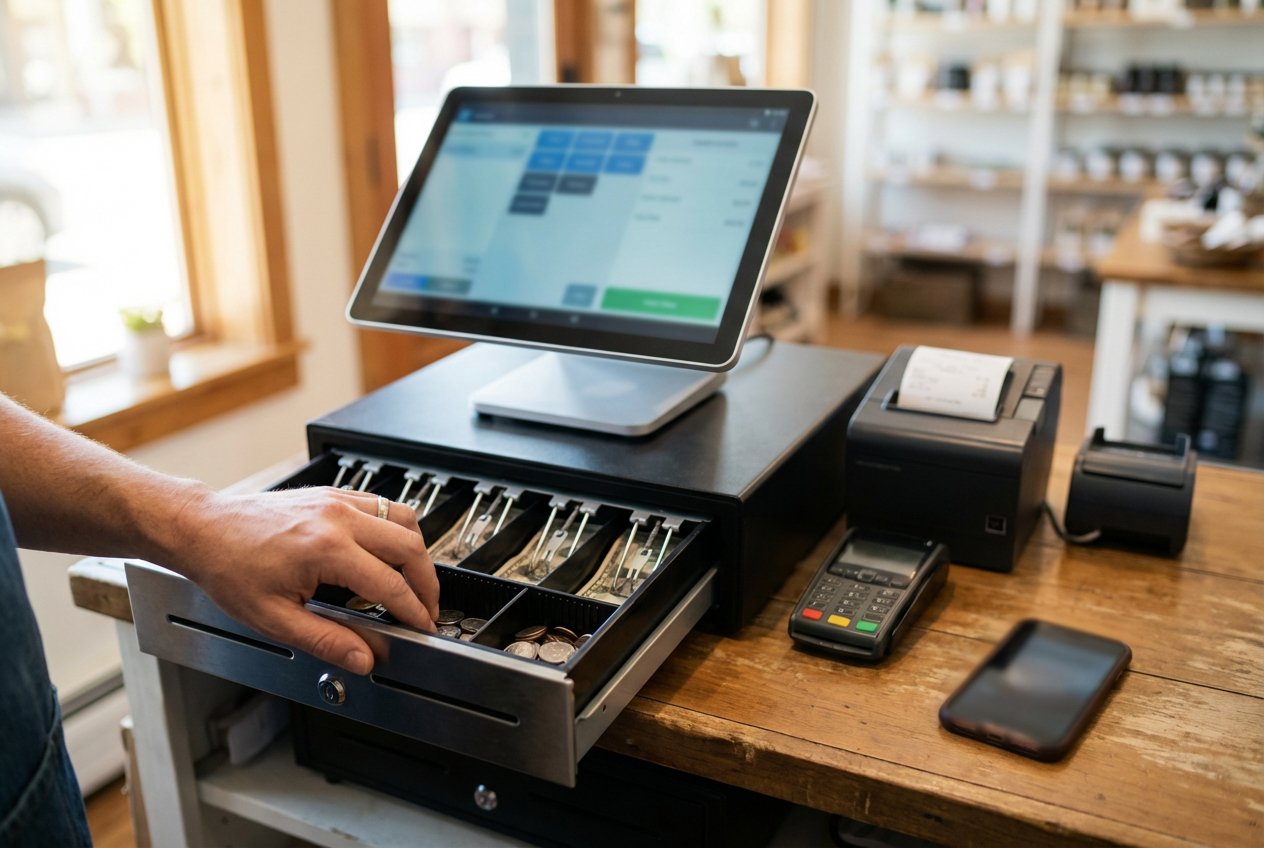
- Mobile POS for faster checkout and on-floor selling
- Offline-first reliability with automatic sync after connection returns
- Integrations with Shopify, Magento, BigCommerce, WooCommerce, NetSuite, and Commercetools
This setup fits brands managing variant-heavy catalogs, running frequent launches, or scaling to multiple locations.
Wrap it up
A repeatable tip to boost online presence for fashion brands starts with meeting shoppers where they browse, then building trust through consistent visuals, creator content, reviews, and a smooth mobile buying flow. Once you track the right metrics across awareness, consideration, and conversion, you can improve what matters without guessing.
If your brand is growing and you need tighter control across inventory, checkout, and multi-store operations, ConnectPOS gives you an omnichannel POS foundation built for modern fashion retail. Contact our team today!
►►► Optimal solution set for businesses: Shopify POS, Magento POS, BigCommerce POS, WooCommerce POS, NetSuite POS, E-Commerce POS