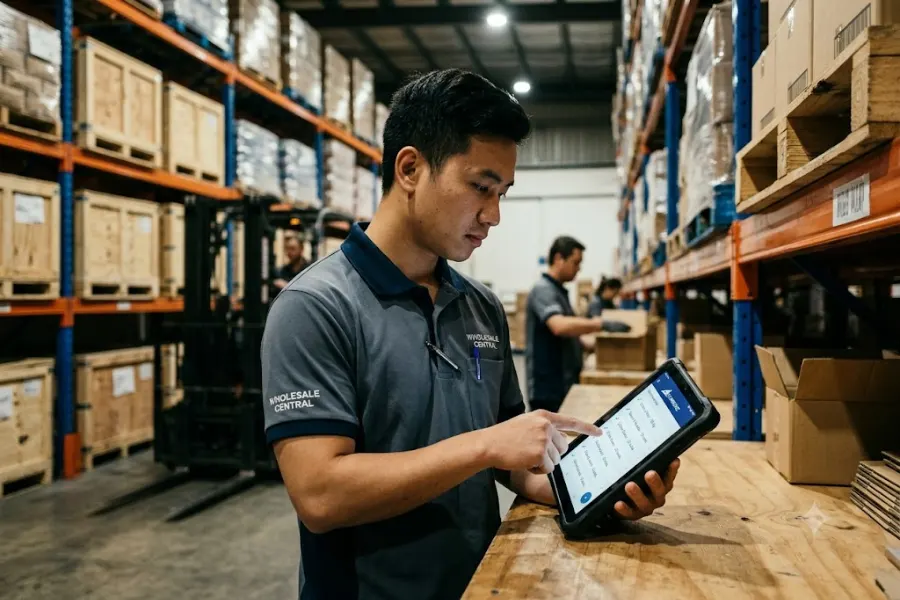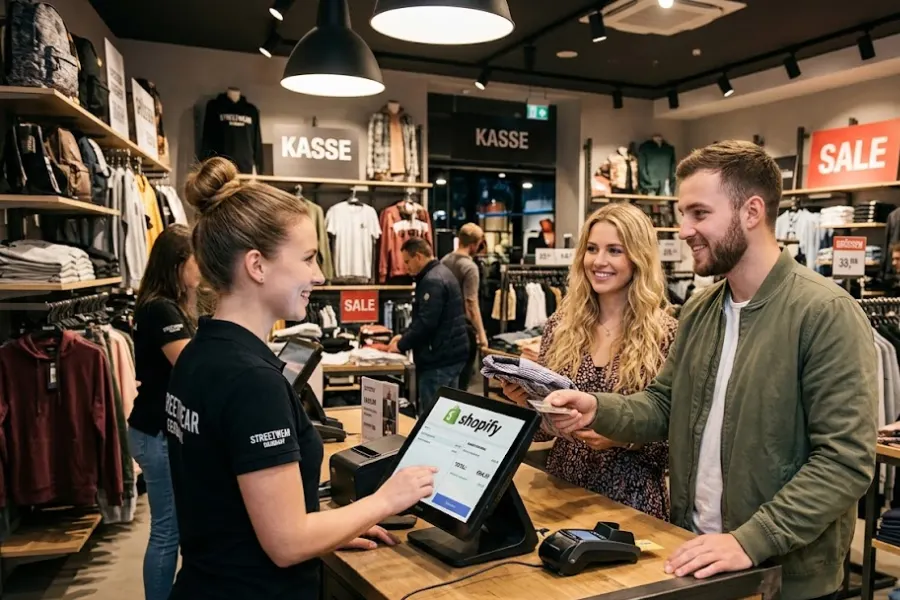
Retailers face increasing pressure to unify their sales channels while maintaining accurate data, smooth operations, and high customer satisfaction. Retail management solutions POS now plays a pivotal role in creating a connected ecosystem where physical stores, online platforms, and mobile channels operate with synchronized information. This article from ConnectPOS advises businesses on best practices for retail management solutions to achieve unified commerce, highlighting the operational, inventory, and customer management advantages that drive measurable growth.
Highlights
- A POS system collects sales and customer data across all channels into one platform. Dashboards reveal purchasing patterns and store performance, supporting informed decisions without reconciling separate reports.
- Centralization unites multiple locations under one framework. Inventory, staffing, and promotions are coordinated across branches, ensuring consistent customer experiences and accurate insights.
- POS integration with accounting, warehouse, and eCommerce platforms synchronizes transactions, returns, and inventory. Teams maintain operational flow and respond quickly to changes in demand or stock.
The Key Role of POS in a Unified Commerce Ecosystem
Retail management solutions POS acts as the main hub for retail operations. It links every sales channel to a single database, which removes the separation between physical locations and digital storefronts. This structure allows a business to monitor stock, shopper habits, and revenue through a single lens.
Key role of POS:
- Inventory Synchronization: The system reflects stock changes across all platforms the moment a barcode is scanned. A purchase made in a physical aisle immediately lowers the available count on the website to prevent overselling.
- Omnichannel Order Fulfillment: Staff manage orders that start online but require in-store pickup. The POS tracks the progress of these items so customers find their goods ready upon arrival.
- Centralized Shopper Profiles: Every transaction attaches to a single customer identity. A person who buys a shirt via a mobile app and shoes at the counter has one history, helping staff provide relevant help during checkout.
- Cross-Channel Returns: Transactions started on a smartphone can finish at a store register. The system verifies the original digital payment to process refunds or exchanges without manual data entry.
- Hardware Connectivity: Card readers, scanners, and printers work together to move shoppers through the line. These tools send data to a main dashboard for a clear view of daily performance.
Advantages of Centralizing Your Stores
Centralizing operations brings every branch into a single control center. This strategy replaces isolated systems with a shared infrastructure for inventory, staff, and customer records. A business sees the whole picture of its performance instead of looking at disconnected parts.
Core Benefits:
- Global Stock Visibility: Managers see exactly what sits in every stockroom from a phone or laptop. This allows a store with excess goods to ship items to a location facing a shortage, which keeps sales moving.
- Unified Pricing and Promotions: Updates to costs or discounts happen everywhere at once. A sale price set at headquarters is reflected at every register and on the website without local staff making manual changes.
- Standardized Staff Performance: Training and sales goals remain consistent across all regions. A centralized system tracks how employees interact with customers, making it easier to identify top performers or areas for improvement.
- Coordinated Logistics: Shipments move from warehouses to stores based on real-time demand. This path prevents overstocking at one branch while another branch loses sales due to empty shelves.
- Aggregated Customer Analytics: Data from every city flows into one profile for each shopper. A brand understands the total habits of its audience, which helps in planning future inventory and marketing.
Best Practices Retail Management Solutions POS for Unified Commerce
Effective retail management today goes beyond simple checkout processes. To maximize the benefits of a retail management solutions POS for unified commerce, retailers should follow proven strategies that streamline operations, enhance customer engagement, and guarantee consistent performance across all channels. The following best practices highlight the key approaches for achieving these goals.
Centralize Data Across All Sales Channels
Data centralization collects every transaction and customer interaction into one database. Each sale at a physical register or through a mobile app feeds into a shared profile. This method prevents the creation of isolated data silos that hide the true habits of a shopper.
Management teams access a single dashboard to review total revenue and loyalty program activity. This setup allows for accurate reporting without the need to combine spreadsheets from different sources. Decisions about marketing or staffing rely on a complete history of how people interact with the brand across every touchpoint.
For example, a small retail business records sales from both its physical store and online shop into a single system. Every purchase, return, or loyalty program update is stored in the same database. The management team can view total sales and customer activity in one dashboard without combining separate reports. This complete view of transactions helps make more informed decisions about stock, promotions, and staffing.
Enable Real-Time Inventory Visibility
Real-time visibility means the system tracks every item the second a barcode moves. A purchase in a physical store triggers an immediate update to the stock levels shown on the website. This accuracy prevents a digital customer from buying a product that a shopper in the store just placed in their basket.
Accuracy in stock counts helps staff locate items for customers quickly. If a specific size is missing from a shelf, the register shows exactly which nearby branch has the item in the backroom. This transparency keeps sales moving and prevents the frustration of empty shelves or cancelled online orders.
Retailers that implement real-time inventory systems have reduced stockout rates from about 12% to around 7%, while customers‑reported regular stockouts dropped from 40% to 15% after these systems were deployed.
Integrate POS with Core Retail Systems
Integration links the point-of-sale system to warehouse management, accounting software, and other core retail platforms. Sales, returns, and inventory adjustments automatically update across all connected systems, creating a unified flow of information. When a product reaches a low-stock threshold, the system can trigger a restock request in the warehouse, ensuring shelves remain available for customers.
This connection extends to complex operations like cross-channel returns or exchanges. A customer returning an online order at a physical store automatically updates inventory levels, adjusts financial records, and recalculates taxes in real time.
Employees no longer need to manually reconcile spreadsheets or transfer data between platforms, reducing errors and saving time. Integration also supports loyalty programs, gift cards, and multi-location management by syncing customer data and purchase history across all sales channels, keeping operations consistent and transparent.
Support Flexible Fulfillment and Returns
Flexible fulfillment allows a customer to buy a product on a mobile app and collect it at a local shop. The retail management solutions POS tracks the item from the shelf to the pickup counter to confirm the order reaches the correct person. This coordination between digital orders and physical stock prevents the confusion of misplaced packages or double-sold items.
Returns across different channels work because the register accesses a single transaction history. A shopper brings a shirt bought online to a physical store for an exchange. The system validates the digital receipt and updates the inventory count at once. This process removes the need for manual paperwork and keeps financial records accurate across the entire business.
Empower Store Staff with Mobile and Cloud POS
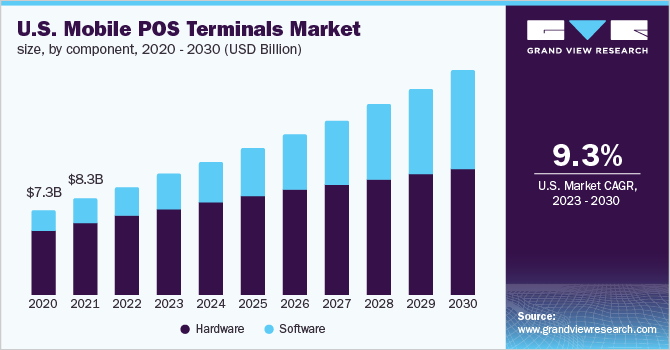
The global mobile POS terminals market was valued at USD 36.07 billion in 2022 and is expected to reach USD 85.11 billion by 2030.
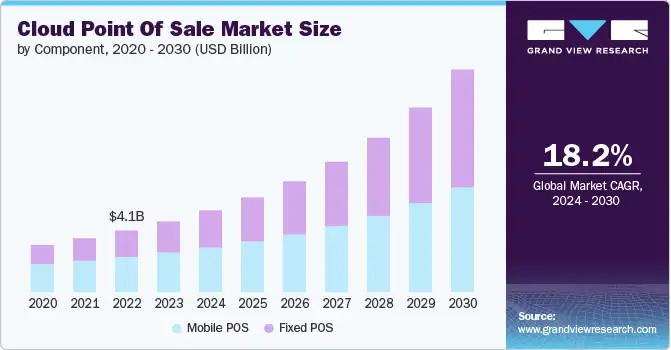
At the same time, the cloud point of sale market was estimated at USD 4.70 billion in 2023 and is projected to reach USD 14.79 billion by 2030, expanding at a CAGR of 18.2% from 2024 to 2030.
These figures illustrate a significant shift in retail technology, where mobility and cloud integration are transforming how businesses operate and interact with customers.
Mobile POS tools move the checkout process from a fixed counter to any location on the sales floor. Employees carry tablets or handheld scanners to help shoppers find products or pay for items without waiting in a long line. This mobility changes the way staff interact with people by providing immediate answers to questions about price or stock.
Cloud technology stores all sales data on a remote server instead of a single computer in the backroom. Managers check live performance stats from a smartphone while traveling between different branches. This constant access to information helps a team respond to sudden changes in foot traffic or sales trends.
Use POS Data for Analytics and Decision Making
Every transaction provides a piece of data about what people buy and when they shop. The retail management solutions POS collects these details to show which products move quickly and which items sit on the shelf too long. This information guides the choices for future orders to prevent wasting money on unpopular goods.
Data from the register helps in planning staff schedules based on busy hours. A manager reviews the history of guest counts to place more employees on the floor during peak times. This focus on facts rather than guesses leads to a more organized environment for both the team and the customers.
How ConnectPOS Supports Unified Commerce Across Retail Channels
ConnectPOS provides retail management solutions POS that unify sales, inventory, and customer data across all retail touchpoints. The system allows store owners to manage multiple locations, online stores, and mobile sales from a single interface.
Its integration capabilities connect POS with e-commerce platforms, ERP, accounting, and CRM solutions, helping businesses maintain accurate records and consistent customer experiences across channels. Real-time inventory updates, flexible payment options, and data-driven insights support operational efficiency while enhancing customer engagement.
Features
- Integrated Store Management: Manage multiple locations with synchronized inventory and sales data to maintain consistent operations and service quality.
- Unified Channel Oversight: Combine in-store, online, and mobile channels into one dashboard, providing a clear view of performance across all sales touchpoints.
- Streamlined Order Fulfillment: Track stock movement and order status in real-time, enabling fast and accurate processing of in-store pickups, shipping, and online orders.
- Variant and Product Management: Create product variations by brand, color, size, and material, and bundle items with unique SKUs to simplify inventory control.
- Stock Alert System: Receive low-stock notifications and manage backorders or pre-orders to prevent out-of-stock situations.
- Flexible Payment Options: Accept cash, cards, mobile payments, and store credits, with secure processing and multi-currency support.
- Customer Loyalty Tools: Integrate membership points, tiered rewards, exclusive offers, and seasonal promotions to increase repeat purchases.
- Self-Checkout and Mobile POS: Enable staff and customers to scan and pay on the spot, improving service speed and reducing lines.
- Data Analytics and Insights: Access detailed reports on sales, inventory, and customer behavior to guide merchandising, promotions, and operational decisions.
FAQs: Retail Management Solutions POS
1. What is unified commerce, and why is a retail management solutions POS important for it?
Unified commerce connects all sales channels, such as physical stores, online shops, and mobile apps, into a single ecosystem. A POS system centralizes data, ensuring consistent pricing, inventory, and customer information across every touchpoint, which prevents errors and improves operational efficiency.
2. How can I centralize data across all sales channels?
Connect your POS to all online and offline sales platforms. Each transaction, customer interaction, and loyalty activity flows into a shared database. This centralization eliminates silos, allowing management to analyze performance and make informed decisions without manual data consolidation.
3. Why is POS integration with other retail systems necessary?
Integrating POS with ERP, accounting, and warehouse systems automates stock management, sales reconciliation, and tax reporting. Returns, exchanges, and cross-channel orders are tracked automatically, maintaining accurate records without manual entry.
Conclusion
Unified commerce succeeds when all sales channels, inventory, and customer data operate within a single ecosystem. Centralized operations provide real-time visibility, prevent stockouts, and give actionable insights into customer behavior and sales trends. Integrating POS with accounting, CRM, and ERP guarantees accurate records and smoother workflows, while mobile POS tools empower staff to assist customers anywhere in-store. ConnectPOS delivers this unified platform, helping retailers synchronize operations, improve decision-making, and scale efficiently. Contact ConnectPOS to explore how your business can implement these strategies.
►►► Optimal solution set for businesses: Shopify POS, Magento POS, BigCommerce POS, WooCommerce POS, NetSuite POS, E-Commerce POS