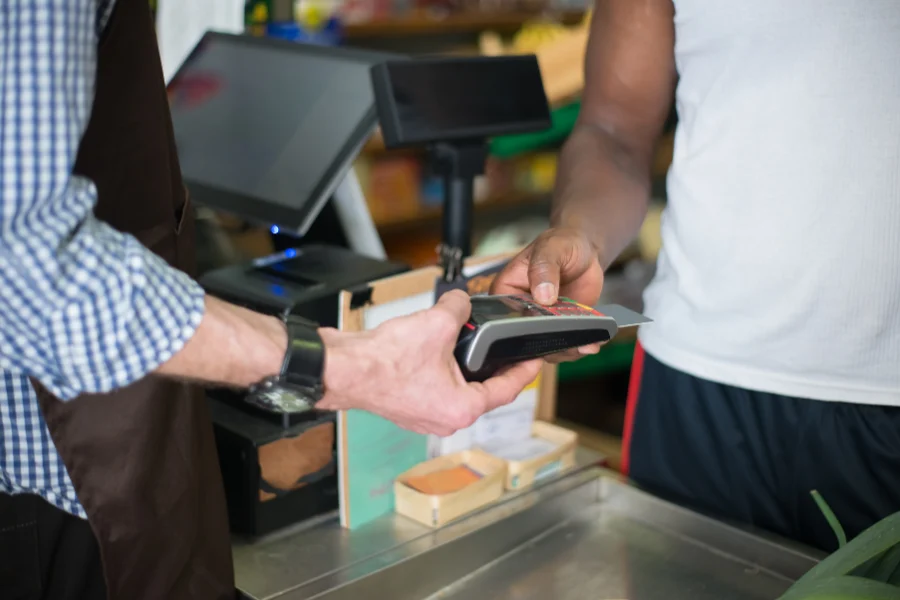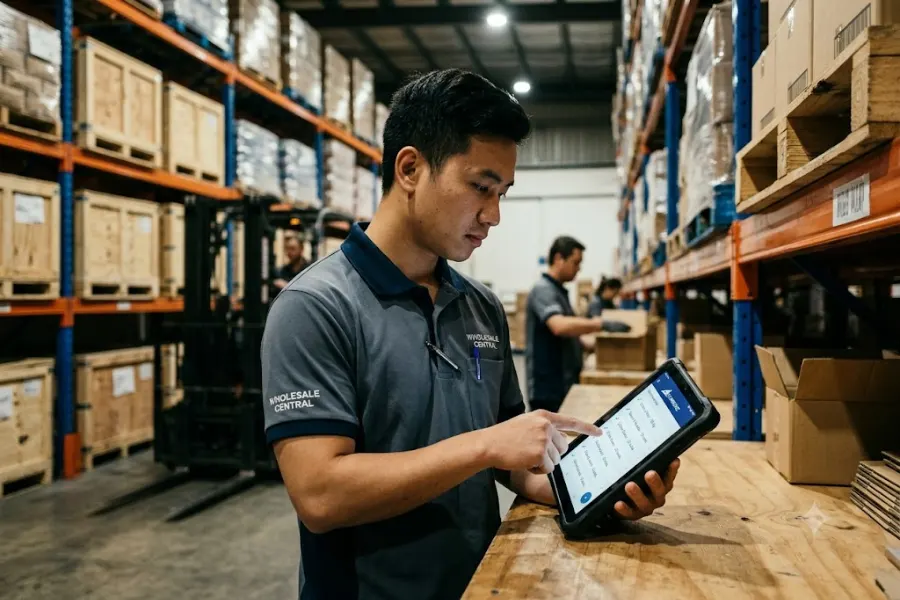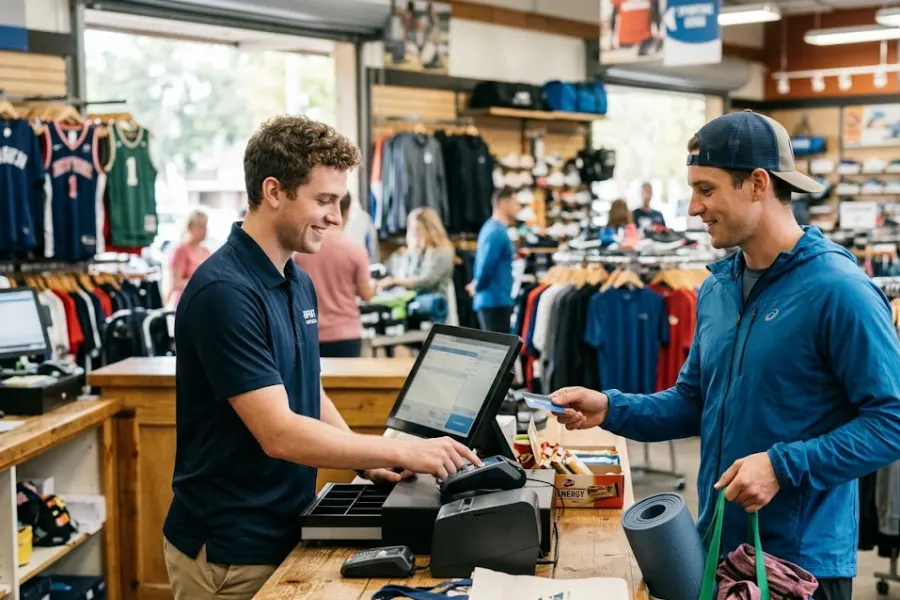
Apparel retail in 2026 moves faster than ever. New collections drop more often, shoppers expect seamless online-to-store experiences, and inventory mistakes quickly turn into lost sales. Traditional POS systems struggle to keep up with this pace. Apparel retail POS software is no longer just a checkout tool; it connects inventory, customer data, and sales channels into one real-time system. This article explores how modern apparel POS software becomes a practical solution for driving higher sales in 2026.
Highlights
- Modern apparel retail requires POS systems that support complex SKUs, real-time inventory, omnichannel selling, and fast in-store experiences to keep up with changing consumer expectations.
- Real-time analytics, customer profiles, targeted promotions, and loyalty programs help retailers increase conversion rates, boost average order value, and reduce dead stock.
- A cloud-based POS supports multi-store expansion, unified pricing and inventory, reliable peak-season performance, and consistent brand experiences across all channels.
Why Apparel Retailers Need Advanced POS Software in 2026
Apparel retailers in 2026 face a market shaped by higher customer expectations and tighter margins. Shoppers move fluidly between online and physical stores, expect fast checkout, flexible fulfillment options, and personalized offers based on their buying history. A basic POS can’t support this level of experience. Advanced apparel POS software connects all sales channels, customer data, and inventory in real time, helping retailers keep pace.
Product complexity also continues to grow. Managing sizes, colors, seasonal drops, and multiple collections across locations increases the risk of errors. An advanced POS handles variant-level inventory, automates replenishment rules, and supports rapid product updates.
Real-time data plays a major role in smarter merchandising and sales decisions. With accurate insights, retailers can quickly spot fast-moving items, identify underperforming stock, and adjust pricing or promotions before margins suffer.
Without modern POS tools, many apparel retailers struggle with:
- Frequent stockouts and excess inventory
- Disconnected online and in-store sales data
- Limited visibility into product performance by style, size, or location
Advanced POS for apparel and footwear stores turns these challenges into growth opportunities.
Core Features of Apparel Retail POS Software That Drive Higher Sales
Modern apparel retail POS software is built around the realities of fashion retail, where speed, accuracy, and flexibility directly impact revenue. Unlike generic systems, it supports apparel-specific workflows, including frequent product launches, seasonal assortments, and rapid inventory turnover.
Matrix Inventory Management (Size & Color Variants)
Apparel retailers deal with complex SKUs every day. Matrix inventory management organizes products by style, size, and color within a single view, making it easier to manage large catalogs.
- Track inventory at the variant level to avoid blind spots
- Reduce manual errors during receiving and stock counts
- Prevent missed sales caused by inaccurate size or color availability
Real-Time Inventory & Stock Visibility
Real-time inventory visibility ensures stock data stays accurate across all locations and channels.
- Prevent overselling online or in-store
- Support instant inventory updates during busy sales periods
- Enable faster, data-driven replenishment and transfer decisions
- Improve demand forecasting using live sales trends
Seamless Omnichannel Selling
A strong omnichannel foundation removes barriers between online and physical stores.
- Unified cart for in-store and online purchases
- Support for BOPIS, BORIS, ship-from-store, and endless aisle
- Consistent pricing, promotions, and loyalty rules across channels
- Smoother customer journeys that increase conversion and repeat purchases
How Modern POS Software Improves In-Store Apparel Sales Performance
In-store apparel sales still account for a major share of revenue, but expectations for speed, service, and personalization are much higher in 2026. Modern apparel retail POS software helps stores turn everyday interactions into higher conversion rates and stronger customer relationships.
Advanced POS tools improve in-store performance by supporting both staff efficiency and shopper experience:
- Faster checkout and shorter lines: Streamlined interfaces, quick product lookup by size or style, and integrated payments reduce wait times, even during promotions or seasonal sales.
- Mobile POS and self-service options: Tablets, smartphones, and self-service kiosks allow associates to check stock, complete transactions anywhere on the floor, and assist customers without sending them back to the counter.
- Rich customer profiles and purchase history: POS systems store preferences, past purchases, and visit frequency, providing staff with better context for each interaction.
- Personalized recommendations that increase average order value: Sales associates can suggest matching items, accessories, or new arrivals based on real customer data, not guesswork.
- Targeted promotions and smart pricing: Run offers by brand, season, location, or customer segment, and apply them automatically at checkout.
- Integrated loyalty programs: Points, tiers, and rewards are applied instantly, encouraging repeat purchases and long-term engagement.
Using POS Data & Analytics to Increase Apparel Sales in 2026
Data has become one of the most valuable assets in apparel retail, and modern POS systems sit at the center of it. With built-in analytics and real-time dashboards, apparel retail POS software helps retailers turn raw transaction data into clear, actionable insights:
- Identify best-sellers and slow-moving items: Track performance by style, size, color, location, and time period to understand what truly drives demand and what needs attention.
- Optimize markdown strategies: Use sell-through rates and aging reports to time discounts more effectively, protecting margins while clearing inventory faster.
- Improve replenishment and stock allocation: Real-time sales data highlights where products sell fastest, enabling smarter transfers and restocking decisions across stores.
- Plan future collections with confidence: Analyze past seasons, customer preferences, and regional trends to inform assortment planning and reduce guesswork in new launches.
- Reduce dead stock and maximize margins: Early visibility into underperforming items helps prevent excess inventory and costly end-of-season write-offs.
Scaling Apparel Businesses with Cloud POS Software
As apparel retailers expand from a single store to multiple locations or online channels, managing inventory, pricing, and the customer experience becomes more challenging. Cloud POS software provides the foundation needed to scale smoothly while keeping operations under control.
Modern cloud-based POS systems support expansion through features designed for growing apparel brands:
- Seamless multi-store management: Add new locations quickly with centralized control over products, users, and configurations, without rebuilding systems from scratch.
- Unified inventory, pricing, and promotions: Keep stock levels, price rules, and promotions aligned across all stores and online channels to avoid inconsistencies and customer frustration.
- Consistent brand experience everywhere: Ensure the same checkout flow, loyalty benefits, and promotions apply across locations, preserving brand identity as the business grows.
- High-volume data handling: Cloud POS platforms are built to manage millions of products, SKUs, and customer records without performance issues.
- Reliable performance during peak periods: Maintain fast transactions and real-time sync during holiday seasons, flash sales, and product launches.
- API-first integrations: Connect easily with e-commerce platforms, ERP, CRM, and third-party tools as business needs evolve.
Introducing ConnectPOS – A Next-Gen Apparel Retail POS Software
As apparel retailers face growing demands around speed, scale, and omnichannel selling, choosing the right POS platform becomes a strategic decision. ConnectPOS is built as a modern, cloud-based POS ecosystem designed to support apparel businesses at every stage of growth, from single-store boutiques to large multi-location brands.
ConnectPOS delivers a flexible and scalable foundation tailored to apparel retail needs:
- Cloud-native, omnichannel POS ecosystem: Centralizes in-store, online, and warehouse operations on a single real-time platform.
- Built for single-store and multi-store apparel retailers: Manage multiple locations, users, and catalogs from a unified back office.
- Real-time omnichannel inventory with multi-source inventory (MSI): Track stock across stores, warehouses, and fulfillment locations with accurate, live updates.
- Online/offline mode with instant sync: Keep selling during network disruptions and automatically sync data once connectivity is restored.
- API-first, microservice architecture: Enable easy customization, integrations, and feature expansion without disrupting daily operations.
- Enterprise-level scalability: Handle large product catalogs, complex variant structures, and high transaction volumes smoothly.
- Broad platform integrations: Works seamlessly with Shopify POS, Magento POS, BigCommerce POS, WooCommerce POS, NetSuite, Commercetools, and standalone retail environments.
ConnectPOS equips apparel retailers with the tools needed to sell smarter and scale confidently in 2026.
FAQs: Apparel Retail POS Software
1. What makes a POS system suitable for apparel retailers?
A POS system built for apparel should handle size and color variants, seasonal collections, and frequent product updates with ease. Key features include matrix inventory management, real-time stock visibility, fast checkout, and customer profiles. These tools help apparel retailers avoid inventory errors, respond quickly to trends, and deliver smoother shopping experiences.
2. Can apparel retail POS software support both online and physical stores?
Yes. Modern apparel POS software is designed for omnichannel retail. It connects online and in-store sales into a single system, enabling unified inventory, consistent pricing, shared promotions, and flexible fulfillment options such as BOPIS, BORIS, and ship-from-store.
3. How does POS software help increase apparel sales?
POS software boosts sales by reducing stockouts, improving checkout speed, and enabling personalized selling. With access to real-time data, retailers can optimize replenishment, run targeted promotions, recommend relevant products, and increase average order value while protecting margins.
4. Is cloud-based POS secure and reliable for fashion retailers?
Cloud-based POS platforms are built with enterprise-grade security, regular updates, and scalable infrastructure. They offer reliable performance during peak sales periods and include offline modes to ensure stores can keep selling even if connectivity drops.
5. Can small apparel boutiques benefit from enterprise-level POS systems like ConnectPOS?
Yes. Enterprise-level POS systems like ConnectPOS are scalable and modular, allowing small boutiques to start with essential features and expand over time. This gives growing apparel retailers access to advanced inventory, omnichannel, and analytics tools without unnecessary complexity.
In Conclusion
Apparel retail in 2026 demands more than basic checkout tools. It requires shorter product cycles, complex inventory management, and rising customer expectations. POS software then helps connect sales, inventory, and customer data in real time. From managing size and color variants to enabling omnichannel fulfillment, personalization, and data-driven decisions, modern apparel retail POS software plays a direct role in increasing sales and protecting margins.
If you’re planning to upgrade your apparel POS strategy for 2026 and beyond, ConnectPOS offers a future-ready solution built for growth, speed, and omnichannel success. Contact ConnectPOS today to see how the right POS software can help your apparel business sell smarter and grow faster.
►►► Optimal solution set for businesses: Shopify POS, Magento POS, BigCommerce POS, WooCommerce POS, NetSuite POS, E-Commerce POS