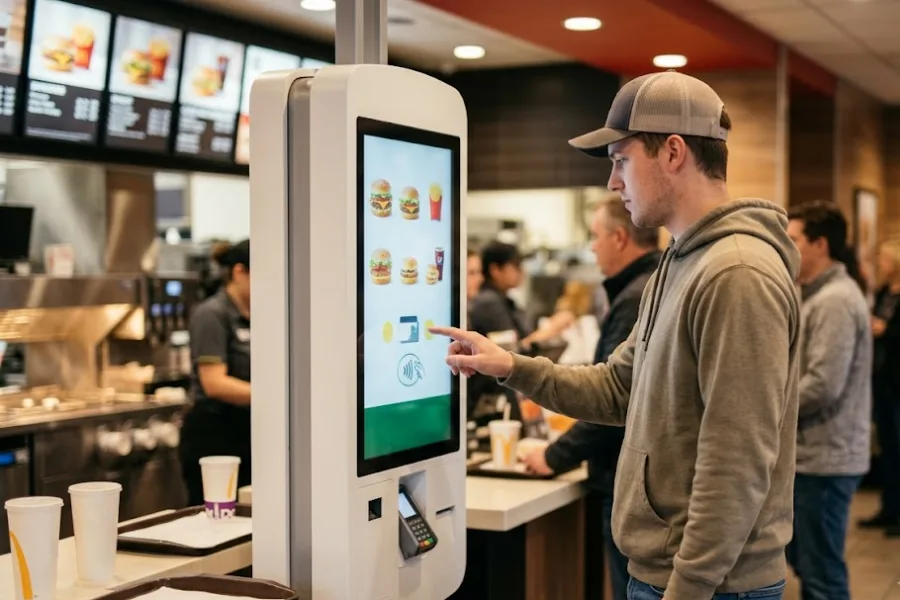
Pharmacy operations have become more complex as customer expectations rise and regulations continue to evolve. In this landscape, a POS system serves as a central hub that integrates sales, inventory, prescriptions, and customer data into a single, streamlined workflow. Understanding the POS meaning in pharmacy is essential for businesses looking to improve accuracy, reduce wait times, and maintain compliance. In 2026, modern POS solutions are also driving growth by supporting omnichannel services, real-time inventory tracking, and personalized customer experiences. This article explores POS pharmacy meaning and how this technology is reshaping pharmacy operations and helping businesses scale with confidence.
Highlights
- Pharmacy POS systems play a central role in modern operations by integrating prescription processing, inventory management, compliance, and sales into a single, streamlined platform.
- Key features like expiry tracking, FEFO inventory control, and automated workflows help pharmacies reduce errors, minimize waste, and improve overall efficiency.
- Adopting the right POS solution enables pharmacies to scale, enhance customer service, and make smarter decisions through real-time data and analytics.
What is the POS Meaning in Pharmacy Store Operations?
In a pharmacy setting, POS (Point of Sale) refers to a system that manages both transactions and critical healthcare-related workflows. It handles prescriptions, insurance claims, patient records, and regulatory requirements. It is a vital tool for ensuring accuracy, safety, and efficiency in daily operations.
A pharmacy POS differs from a general retail POS due to its specialized capabilities. While standard systems focus on sales and inventory, pharmacy POS solutions must support prescription validation, dosage tracking, controlled substance monitoring, and integration with healthcare databases. These added layers help pharmacies stay compliant with strict industry regulations while maintaining smooth service.
Key components of a pharmacy POS system include prescription management, real-time medication inventory tracking, customer and patient profiles, billing and insurance processing, and reporting tools. Many modern systems also integrate with e-commerce platforms and support omnichannel services.
Why POS Systems Are Essential for Pharmacy Operations in 2026
Pharmacy operations in 2026 face growing pressure to deliver accuracy, efficiency, and seamless service. Pharmacies must handle sensitive data, comply with strict regulations, and meet precise dispensing requirements. A modern POS system plays a key role in meeting these demands, and supporting prescription validation, dosage checks, and compliance tracking is critical.
In addition, people want faster service, shorter wait times, and flexible options for receiving medications. A POS system streamlines checkout, manages queues, and stores customer profiles, making each interaction quicker and more personalized.
At the same time, pharmacy services are expanding beyond physical stores. Online prescription orders, home delivery, and click-and-collect options are becoming more common. POS systems connect these channels, ensuring consistent data across in-store and digital touchpoints.
Real-time inventory and prescription tracking are equally important. Pharmacies need accurate stock visibility to avoid shortages or overstocking. A robust POS system provides up-to-date insights to maintain control, improve service quality, and support sustainable growth.
POS Meaning in Pharmacy – Core Features
A pharmacy POS system includes specialized features designed to support both retail transactions and healthcare responsibilities. These tools assist pharmacies in maintaining accuracy, ensuring compliance, and delivering efficient customer service across daily operations.
Prescription management and processing
Prescription management is at the heart of any pharmacy POS system. It allows staff to input, verify, and process prescriptions with accuracy. Many systems support e-prescriptions, automate dosage checks, and flag potential drug interactions. This reduces manual errors and ensures patients receive the correct medication.
Batch and expiry date tracking
Medications require strict monitoring of batch numbers and expiration dates. A pharmacy POS system tracks this information in real time, so staff can identify products nearing expiration and avoid dispensing outdated items. This feature improves patient safety and minimizes financial loss from unsellable stock.
FEFO (First Expired, First Out) inventory control
FEFO inventory management ensures that products with the earliest expiration dates are sold or used first. A POS system automates this process by prioritizing stock movement based on expiry data. This approach reduces waste, supports compliance with health regulations, and keeps inventory fresh and reliable.
Billing, insurance, and payment handling
Pharmacy transactions often involve more than simple payments. A POS system can process insurance claims, calculate co-pays, and manage multiple payment methods within a single workflow. This makes transactions faster and more transparent.
Reporting and regulatory compliance tools
Pharmacies must follow strict regulatory standards, and a POS system helps by generating accurate POS reporting and maintaining audit trails. These tools track controlled substances, monitor sales activity, and ensure proper documentation. Then, pharmacies can stay prepared for inspections while gaining insights to improve operations.
How Pharmacy POS Systems Drive Business Growth
A pharmacy POS system creates a strong foundation for sustainable growth by improving accuracy, efficiency, and decision-making across the business.
- Reduce errors and improve dispensing accuracy: Automated prescription processing, dosage checks, and system alerts minimize human errors. This protects patient safety and builds trust with customers.
- Optimize inventory and minimize expired stock: Real-time tracking and smart inventory controls ensure medications are always available when needed. Features like expiry monitoring and FEFO reduce waste and improve stock efficiency.
- Enhance customer service and reduce wait times: Faster checkout, streamlined prescription workflows, and stored customer profiles enable staff to serve patients quickly and accurately, improving the overall experience.
- Enable multi-store inventory management and scalability: For growing pharmacy chains, a POS system connects multiple locations to a centralized data hub. This makes it easier to manage inventory, pricing, and operations consistently across stores.
- Support data-driven decision-making: Built-in analytics provide insights into sales trends, inventory movement, and customer behavior, helping pharmacies make informed decisions and plan for long-term growth.
Challenges Pharmacies Face Without a Modern POS System
Without a modern POS system, pharmacies often struggle to maintain accuracy and efficiency in daily operations. Manual prescription handling increases the risk of errors in dosage, medication type, or patient information.
Limited inventory visibility is another common issue. Without real-time tracking, pharmacies may face frequent stockouts or overstocking, leading to missed sales opportunities or expired medications. This lack of control makes it difficult to consistently meet customer demand.
Regulatory compliance also becomes more challenging. Pharmacies must keep detailed records and follow strict guidelines, and manual processes can result in incomplete or inaccurate documentation.
As businesses grow, outdated systems can hold them back. Managing multiple locations without centralized data leads to inconsistencies and operational inefficiencies.
How to Choose the Best POS System for Pharmacy in 2026?
Choosing the right POS system is essential to ensuring smooth, compliant pharmacy operations. Start by prioritizing systems with strong compliance and security features, including prescription validation, data protection, and audit trails.
Next, look for advanced inventory management with batch and expiry tracking. This helps maintain medication safety and reduces losses from expired stock.
Integration is also key, so your POS should connect seamlessly with healthcare databases, e-prescription platforms, and multiple payment and insurance systems to ensure a streamlined workflow.
If you plan to expand, choose a system that can support multiple locations while keeping data consistent across stores. Finally, robust reporting and analytics tools will give you clear insights into sales, inventory, and customer behavior to make smarter business decisions.
ConnectPOS is Designed for Modern Pharmacy Retail
Modern pharmacies need a pharmacy POS system that unifies operations, compliance, and customer experience. ConnectPOS brings these elements together in a single platform, so that pharmacies run efficiently while staying ready to scale.
Centralized pharmacy management in one dashboard
ConnectPOS centralizes daily operations so you can manage everything with clarity and control. Real-time inventory visibility keeps stock levels up to date across locations, while a multi-store control center lets you manage branches, pricing, and staff roles in one place.
Low-stock alerts and streamlined reorder workflows reduce manual effort, while role-based access with audit trails improve internal controls. Built-in performance reports give owners a clear view of sales, margins, and inventory.
Compliance-focused operations with full traceability
The system supports pharmacy compliance with precision. It enables prescription workflows, tracks batch and expiry details for full traceability, and applies FEFO logic to reduce waste. Pharmacies can also print clear medical labels with dosage and safety information. Controlled drug reporting and audit-ready records ensure compliance during inspections.
Seamless pickup and better patient engagement
ConnectPOS improves the customer experience by providing fast access to patient profiles and purchase history. It supports refill reminders, partial dispensing tracking, and flexible payments for smoother transactions. Omnichannel capabilities connect online orders with in-store pickup or delivery, making service more convenient and consistent.
FAQs: POS Meaning in Pharmacy
1. What is the POS meaning in pharmacy system?
A pharmacy POS system is specialized software designed to manage both sales transactions and pharmacy-specific operations. Beyond processing payments, it supports prescription handling, tracks medication inventory, and manages customer records.
2. Why is POS important in pharmacy operations?
A POS system improves accuracy and efficiency across daily workflows. It reduces manual errors in prescription processing, speeds up transactions, so pharmacists can manage inventory, compliance, and customer service more effectively.
3. How does POS help with inventory and expiry tracking?
Pharmacy POS systems automatically monitor stock levels, batch numbers, and expiration dates. Features like real-time alerts and FEFO (First Expired, First Out) ensure that medications are sold before they expire, minimizing waste and avoiding compliance risks.
4. Can pharmacy POS systems support multiple locations?
Yes, modern pharmacy POS solutions are built to support multi-store operations. They centralize data across locations, allowing businesses to manage inventory, pricing, and reporting consistently while maintaining visibility over each branch.
5. What features should a pharmacy POS include in 2026?
Key features include prescription management, batch and expiry tracking, FEFO inventory control, insurance and billing integration, regulatory compliance tools, real-time reporting, and scalability to support business growth.
Final Thoughts
In 2026, the POS pharmacy meaning goes far beyond processing transactions. It has become a critical system that connects prescription management, inventory control, compliance, and customer experience in one place. Pharmacies that adopt modern POS solutions can reduce errors, improve efficiency, and deliver faster, more reliable service. At the same time, these systems provide the scalability and insights needed to support long-term growth.
If you are looking to upgrade your pharmacy operations with a powerful, future-ready solution, now is the time to act. Contact ConnectPOS today to discover how a modern POS system can transform your pharmacy and help you stay competitive.
►►► Optimal solution set for businesses: Shopify POS, Magento POS, BigCommerce POS, WooCommerce POS, NetSuite POS, E-Commerce POS