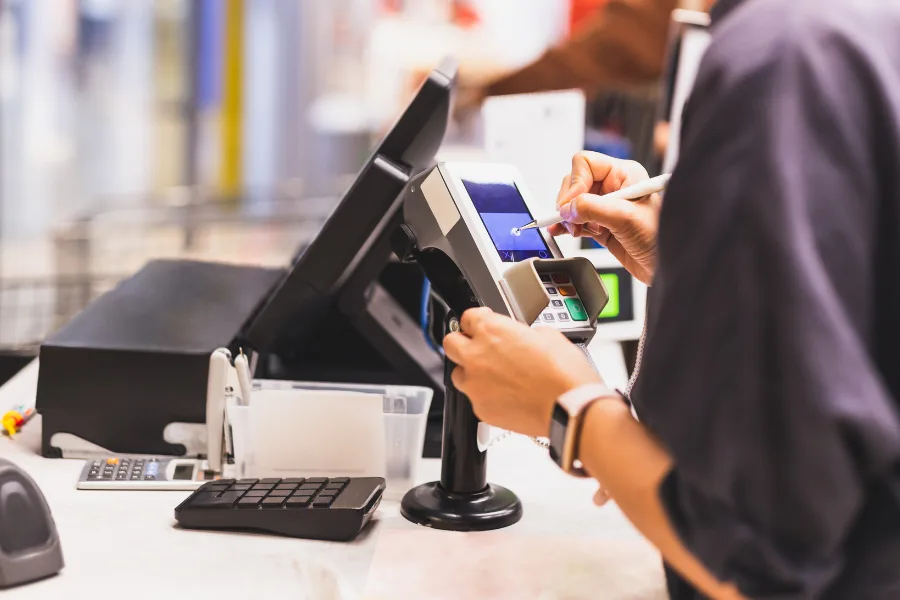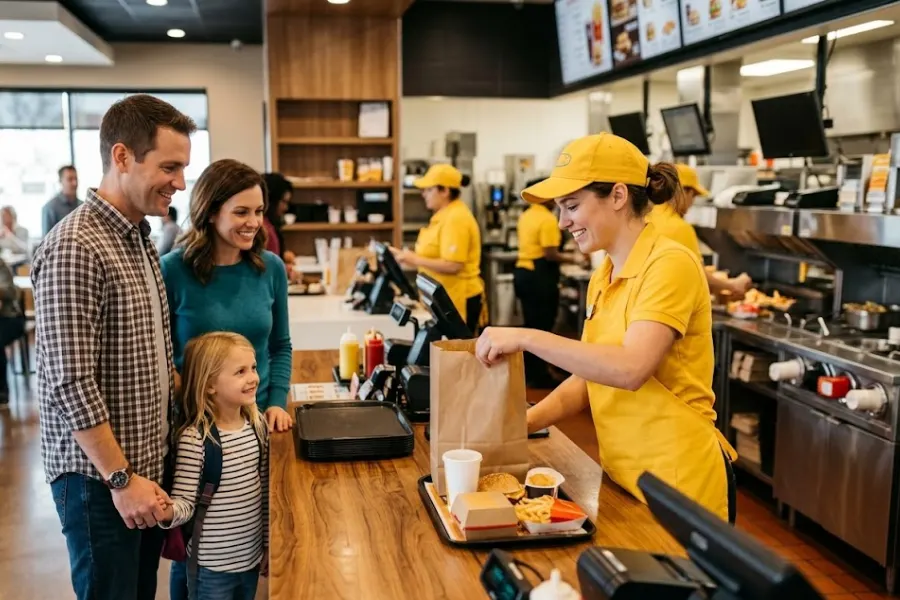
Quick service restaurants face constant pressure to serve customers faster while keeping operations smooth and profitable. In 2026, a modern POS system plays a key role in meeting these expectations. It helps businesses streamline ordering, manage inventory in real time, and understand customer behavior. With the right setup, staff can handle peak hours more efficiently, reduce errors, and improve overall service speed. At the same time, integrated data and automation open new opportunities to increase order value and customer loyalty. This article explores how a POS for quick service restaurants can boost sales while maintaining efficiency in a highly competitive market.
Highlights
- Modern POS systems help QSRs improve speed and accuracy by streamlining order processing, managing multiple sales channels, and reducing operational errors.
- Advanced features such as real-time inventory tracking, upselling tools, and integrated analytics enable restaurants to increase average order value and make smarter business decisions.
- To maximize results, QSRs should focus on best practices such as optimizing POS menus, training staff effectively, leveraging data insights, and integrating with delivery platforms.
The Growing Need for POS in Quick Service Restaurants (QSRs) in 2026
In quick-service restaurants, speed, accuracy, and convenience directly shape the dining experience. Guests expect fast ordering, seamless payments, and minimal wait times, whether they are ordering at the counter, at a kiosk, or via mobile apps. Even small delays or order mistakes can lead to lost sales and lower satisfaction.
At the same time, order flows have become more complex. QSRs now handle a mix of dine-in, takeaway, and delivery orders from multiple platforms. Managing these channels manually or through disconnected systems can easily create confusion, delays, and errors during peak hours.
Technology plays a key role in solving these challenges. A modern POS system helps streamline order processing, sync data across channels, and support faster service. Thus, staff can focus on fulfillment instead of juggling multiple tools.
Traditional systems, built mainly for simple transactions, often struggle to keep up with this level of demand. They lack real-time updates, integration capabilities, and flexibility, making them less suitable for today’s fast-moving QSR environment.
How POS for Quick Service Restaurants Boosts Sales Efficiency
A modern POS for a quick service restaurant helps it operate more smoothly, serve customers faster, and unlock new revenue opportunities.
Faster Order Processing
Speed is critical in QSRs, especially during peak hours. POS systems with streamlined, intuitive interfaces mean staff can take orders quickly with minimal training. Clear layouts, customizable menus, and quick-access buttons reduce the number of steps needed per transaction. This not only shortens queues but also lowers the chance of mistakes. With improved order accuracy, kitchens receive clear instructions for faster preparation and fewer remakes.
Omnichannel Order Management
QSRs now manage orders from multiple sources, including in-store, online platforms, and third-party delivery apps. A POS for quick service restaurants brings all these channels into one place, making it easier to track and fulfill orders without confusion. Centralized data ensures that every order is recorded consistently, helping staff prioritize tasks and maintain a smooth workflow even during busy periods.
Upselling & Cross-selling Features
POS systems can actively support sales by suggesting relevant add-ons or combo deals during the ordering process. Automated prompts encourage staff to recommend upgrades, while digital menus and kiosks can highlight popular pairings. These small suggestions often lead to higher-order values without slowing down service, making upselling a natural part of the customer journey.
Real-Time Inventory Synchronization
Keeping track of stock in real time helps prevent the sale of items that are no longer available. POS systems update inventory automatically as orders are placed, ensuring accurate stock levels across all channels. This allows QSRs to plan restocking more effectively, avoid over-ordering, and reduce food waste.
Data-Driven Decision Making
Access to real-time reports gives restaurant owners clear insights into sales trends, peak hours, and customer preferences. By analyzing this data, businesses can adjust staffing, refine menus, and promote high-performing items. Better visibility into operations leads to smarter decisions that improve both efficiency and profitability.
Key POS Features QSRs Should Look for in 2026
In 2026, the focus when choosing the right POS for a quick service restaurant is on flexibility, automation, and customer convenience. Prioritize the following features to help QSRs streamline operations while creating a better dining experience.
- Self-Service & Contactless Ordering
Kiosks, QR code ordering, and mobile apps allow customers to place orders independently, reducing pressure on staff and minimizing queues. These options also improve order accuracy and give customers greater control over customization.
- Kitchen Display System (KDS) Integration
A POS system with KDS integration delivers clear communication between the front-of-house and kitchen. Orders are sent directly to digital screens, helping kitchen staff prioritize and prepare items efficiently. This reduces errors, speeds up preparation, and keeps operations organized during busy hours.
- Multi-Location Management
For growing QSR chains or franchises, centralized control is key. A robust POS system allows businesses to manage multiple locations from one platform, keeping pricing, promotions, and reporting consistent across all stores while still allowing flexibility when needed.
- Loyalty & Customer Engagement Tools
Built-in loyalty programs and customer data tracking help restaurants create personalized offers and promotions. These tools encourage repeat visits and strengthen customer relationships.
- Offline Mode Capability
An offline mode ensures that operations continue even when internet connectivity is lost. Orders can still be processed and synced later, preventing disruptions and protecting sales during unexpected outages.
Introducing ConnectPOS for Quick Service Restaurants
To keep up with QSR speed, you need a POS that runs cleanly during rush hours, keeps kitchen execution tight, and tracks ingredient-level stock without extra manual work. ConnectPOS fits that reality. It supports fast order flow at the counter, smoother kitchen operations, and tighter cost control across one store or a growing chain.
- Quick Service POS (fast checkout flow): Keep lines moving during rush hours with a streamlined counter workflow.
- Menu customization & modifiers: Handle add-ons and special requests quickly (extra toppings, no sauce, substitutions).
- Smart combo prompts: Suggest combos at checkout to raise average ticket size without slowing service.
- Save Cart: Park large or complex orders and resume instantly when customers are ready.
- Efficient digital kitchen display integration (API-ready): Connect with kitchen/order systems for cleaner routing and faster prep.
- Advanced raw-material inventory: Track ingredient usage automatically to cut waste and keep food costs under control.
- Multi-source inventory (MSI): Monitor stock across locations in real time to support transfers and consistent availability.
- All-in-one payments: Take cards, e-wallets, QR payments, and tips for quicker checkout.
- Reliable offline mode + sync: Continue taking orders during internet issues, then sync data once you’re back online.
Best Practices to Maximize POS Efficiency in QSRs
Getting the most out of a POS system requires more than just installing the technology. Quick service restaurants need to use it strategically to improve speed, accuracy, and overall performance. The following practices maximize efficiency and support consistent sales growth.
Optimize menu layout in POS
A powerful POS menu makes a big difference during busy hours. Place best-selling and high-margin items in easy-to-access positions so staff can select them quickly. Keep the layout clean and intuitive to reduce confusion and speed up order entry. Fewer clicks mean faster service and shorter queues.
Train staff for speed & accuracy
Even the best system needs skilled users. Regular training ensures staff understand how to use the POS efficiently, especially when updates or new features are introduced. Clear workflows and consistent practices help reduce errors and improve order accuracy across shifts.
Leverage analytics for continuous improvement
Monitor key metrics such as order processing time, peak hours, and average ticket size. These insights help identify bottlenecks and opportunities to improve performance, so managers can adjust staffing, promotions, or menu offerings.
Integrate with delivery platforms
Connecting the POS with third-party delivery apps removes the need for manual order entry. This reduces errors, saves time, and keeps menus and pricing consistent across all channels.
FAQs: POS for a Quick Service Restaurant
- How does a POS system increase sales in QSRs?
A POS system helps boost sales by speeding up order processing, reducing errors, and enabling upselling through smart prompts and combo suggestions. It also provides data insights that help optimize menus, pricing, and promotions, leading to higher average order value and better customer retention.
2. What features are essential in a POS for quick service restaurants in 2026?
Key features include self-service and contactless ordering, omnichannel order management, real-time inventory tracking, kitchen display system (KDS) integration, loyalty tools, and offline mode. These capabilities help improve speed, accuracy, and overall efficiency.
3. Can a POS system handle both dine-in and delivery orders?
Yes. Modern POS systems are designed to manage dine-in, takeaway, and delivery orders on a single platform. They sync orders from in-store and third-party delivery apps, helping staff handle all channels without confusion or manual entry.
4. Is ConnectPOS suitable for small QSR businesses?
Yes. ConnectPOS is flexible and scalable, making it a good fit for both small QSRs and growing chains. It allows smaller businesses to start with essential features and expand as their operations grow.
5. Does a POS system require constant internet access?
Not necessarily. Many modern POS systems offer offline mode, so businesses can continue processing orders even when the internet is down. Data will automatically sync once the connection is restored, ensuring uninterrupted operations.
Summing Up
A modern POS system has become a key driver of efficiency and revenue for quick service restaurants in 2026. With faster order processing, centralized order management, real-time inventory tracking, and data-driven insights, a POS for quick service restaurants can serve more customers while maintaining accuracy and consistency. The right features also help increase order value and improve customer satisfaction across every touchpoint.
If you’re looking to upgrade your operations and boost sales with a scalable, future-ready solution, ConnectPOS is here to help. Our platform is built to support the speed, flexibility, and growth that QSRs demand today. Contact ConnectPOS now to discover how you can transform your restaurant operations and stay ahead in a competitive market.
►►► Optimal solution set for businesses: Shopify POS, Magento POS, BigCommerce POS, WooCommerce POS, NetSuite POS, E-Commerce POS