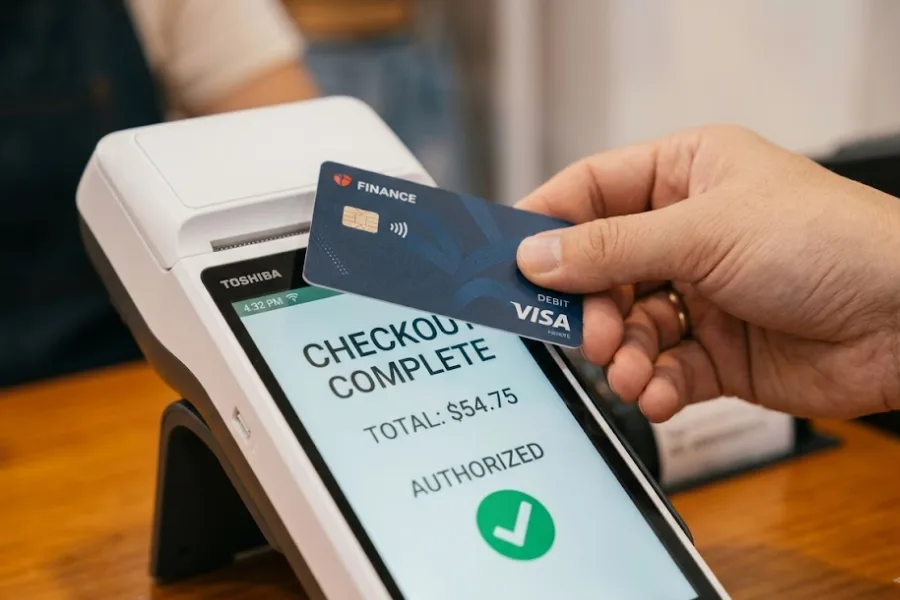
Retailers generate massive amounts of transactional data every single day. A single mismatch in a POS data code can corrupt entire reporting dashboards. This forces accounting teams to spend hours manually reconciling numbers. Poor data integration leads to lost revenue and dangerous blind spots in inventory management. Retail managers cannot make good decisions based on flawed analytics.
This article from ConnectPOS advises POS data code mapping for SKU, tax, discount, and tender codes that do not break analytics. We explore practical methods to map transactional data correctly across your entire system. You will learn how to build a highly reliable data architecture for your retail operations.
Highlights:
- Standardized POS data code mapping ensures accurate analytics by eliminating inconsistencies across SKU, tax, discount, and tender codes.
- Automated data mapping and regular validation reduce manual errors, simplify compliance, and improve inventory and financial reporting.
Understanding POS Data Code Mapping
A POS data code acts as a unique identifier for specific transactional elements. Systems use these alphanumeric strings to categorize items, taxes, payments, and promotions. Mapping connects the codes from your point of sale directly to your central analytics platform.
Retailers often use multiple systems for physical stores and online shops. Each platform might generate a completely different code for the exact same event. Mapping translates these disparate codes into a single, unified language for your database.
This translation process prevents duplicate entries in your reporting tools. Gartner reports that poor data quality costs organizations an average of $12.9 million annually. Unmapped or incorrectly mapped codes directly contribute to this massive financial drain. Proper alignment secures reliable insights and protects your bottom line. It allows data to flow smoothly between isolated software environments.
Vital POS Data Codes to Map Correctly
Not all POS data codes have the same impact on retail analytics. Correctly mapping SKU, tax, discount, and tender codes ensures accurate inventory tracking, financial reporting, campaign measurement, and payment reconciliation across every sales channel.
SKU Codes
Stock Keeping Unit (SKU) codes track inventory movement at a granular level. Inconsistent SKU codes across sales channels create phantom inventory or false stockouts. The National Retail Federation reports an average retail shrink rate of 1.6% in 2023. Unmapped SKU codes obscure inventory visibility and make it harder to identify this shrinkage.
The mapping process links different variant codes to a master parent SKU. A physical store might use a barcode scanner that reads an internal item number. The online store might generate a different ID for the exact same shirt. A central mapping table forces both codes to register as the same product.
Accurate SKU mapping gives buyers a clear view of true product performance. Retailers can confidently reorder top-selling items without guessing actual stock levels. This prevents overstocking and reduces capital tied up in dead inventory.
Tax Codes
Tax regulations vary drastically across different states and municipalities. A misaligned tax code creates severe compliance risks and heavy financial penalties. Analytics systems must accurately separate base revenue from collected tax liabilities. You map tax codes by assigning specific regional tax rules to corresponding POS identifiers. The mapping engine reads the transaction location and applies the correct tax bracket. It then pushes this categorized data directly to your accounting software.
Proper tax code mapping simplifies end-of-month financial reconciliation. Accounting teams spend less time fixing mismatched tax liabilities. The business stays compliant with local tax authorities and avoids costly audits.
Discount Codes
Discount codes track the performance of marketing campaigns and seasonal promotions. Poorly mapped discount codes inflate gross sales figures in your analytics dashboard. This makes it impossible to measure true promotional return on investment.
Mapping discount codes requires linking specific promo IDs to a central discount category. A 20% off coupon from an email campaign must map to the same category as an identical in-store promotion. The analytics tool then deducts this exact amount from the gross revenue.
Marketing teams gain clear visibility into actual campaign effectiveness. They can identify which promotions drive the most profitable foot traffic. This data helps refine future marketing budgets and promotional strategies.
Tender Codes
Tender codes identify the specific payment method used for a transaction. Retailers accept cash, credit cards, gift cards, and mobile wallets. Unmapped tender codes cause massive headaches during daily cash drawer reconciliation.
The mapping system assigns a universal identifier to each payment type. A Visa payment from a physical terminal and an online Stripe Visa payment map to a single “Credit – Visa” category. The system routes these mapped codes to the corresponding merchant accounts.
Accurate tender mapping accelerates the daily closing process for store managers. Finance departments can easily track processing fees associated with different payment gateways. This visibility helps negotiate better rates with payment processors.
Best Practices to Prevent Broken Retail Analytics
Centralize your master data management
Retailers should set up a clear master data management strategy. You want one single source of truth for every POS data code, SKU, store ID, cashier ID, discount type, tax rule, and tender type.
With that in place, every integrated system reads transactions the same way, so your sales, margin, and inventory reports don’t drift apart.
Keep data sync clean across every touchpoint
Capturing real value requires reliable data synchronization across all customer touchpoints, in-store, online, mobile, and marketplace. A study published by Harvard Business Review shows omnichannel shoppers spend 10% more online than single-channel shoppers, so gaps between channels can quickly turn into missed revenue insights.
You can make this tighter by adding automated validation rules that flag issues like:
- unmapped payment types or discount codes
- duplicate customer records
- order totals that don’t match tax and tender lines
- inventory movements that don’t tie back to sales
Audit your mapping architecture on a schedule
Retail platforms update often. New software versions introduce new fields, rename attributes, or change payload structures. For that reason, audits shouldn’t be a one-time cleanup.
Run regular checks to catch new or unmapped codes before they distort dashboards, especially for quarterly reporting and year-end comparisons.
Cut manual entry and automate translation between systems
Manual data entry creates reporting noise. Typos, inconsistent naming, and “quick fixes” done in spreadsheets usually show up later as messy analytics.
Instead, use middleware to automate translation between your POS and ERP so field formats stay consistent across the stack. This approach also supports cleaner downstream reporting for finance, inventory, and merchandising teams.
How ConnectPOS Standardizes POS Data Across Every Sales Channel
ConnectPOS provides a highly capable architecture for managing complex retail data. The platform natively handles intricate data mapping requirements out of the box. It synchronizes transactional data across multiple channels without breaking your analytics dashboards.
- Centralized Data Synchronization: The system pushes every POS data code to a unified dashboard in real time. This eliminates data silos between your physical store locations and your e-commerce platforms.
- Automated Code Mapping: ConnectPOS automatically translates disparate SKU, tax, and tender codes into standardized formats. This removes the need for manual data entry and drastically reduces human error.
- Customizable Reporting Attributes: Retailers can create specific mapping rules tailored to their unique accounting setups. You can define exact parameters for complex promotional discounts and regional tax variations.
- Reliable API Architecture: The platform uses stable API connections to communicate with third-party ERP and analytics tools. This guarantees smooth data flow even during high-volume seasonal sales events.
- Real-Time Inventory Consistency: ConnectPOS synchronizes inventory updates across all connected sales channels instantly. This prevents stock discrepancies, overselling, and inaccurate inventory reports.
- Unified Customer and Order Data: Customer profiles, purchase histories, and order information from every touchpoint are consolidated into a single source of truth. This enables consistent customer experiences and more accurate business insights.
- Flexible Integration with Commerce Ecosystems: ConnectPOS smoothly connects with leading eCommerce platforms, ERP systems, CRM software, payment gateways, and accounting tools. Standardized data flows across every integration without requiring complex manual reconciliation.
FAQs: POS Data Code
1. What exactly is a POS data code?
A POS data code is a unique alphanumeric string generated during a retail transaction. It identifies specific elements like the product sold, taxes applied, or payment method used. Systems use these codes to categorize and store transactional data.
2. Why do tender codes break analytics dashboards?
Tender codes break analytics when different sales channels use conflicting identifiers for the same payment method. The analytics system reads these as completely separate categories. This causes severe reconciliation errors and mismatched revenue reports.
3. How often should I audit my data mapping rules?
You should audit your mapping rules quarterly or whenever you add a new sales channel. Regular checks prevent new, unmapped codes from corrupting your financial reports. Proactive auditing maintains the integrity of your entire database.
4. Can automation fix broken SKU mapping?
Automation tools can identify discrepancies between different SKU formats across your systems. They apply predefined rules to merge variant codes into a single master SKU. This drastically reduces the manual labor required to fix broken inventory records.
Conclusion
Accurate POS data code mapping is essential for consistent retail operations and reliable analytics. By standardizing SKU, tax, discount, and tender codes across every sales channel, businesses can eliminate reporting inconsistencies and improve financial visibility. ConnectPOS simplifies this process with automated data mapping, smooth third-party integrations, and real-time synchronization, ensuring accurate, analytics-ready retail data.
Ready to simplify POS data management? Contact ConnectPOS today to discover how our solution can help you standardize retail data and optimize your omnichannel operations.