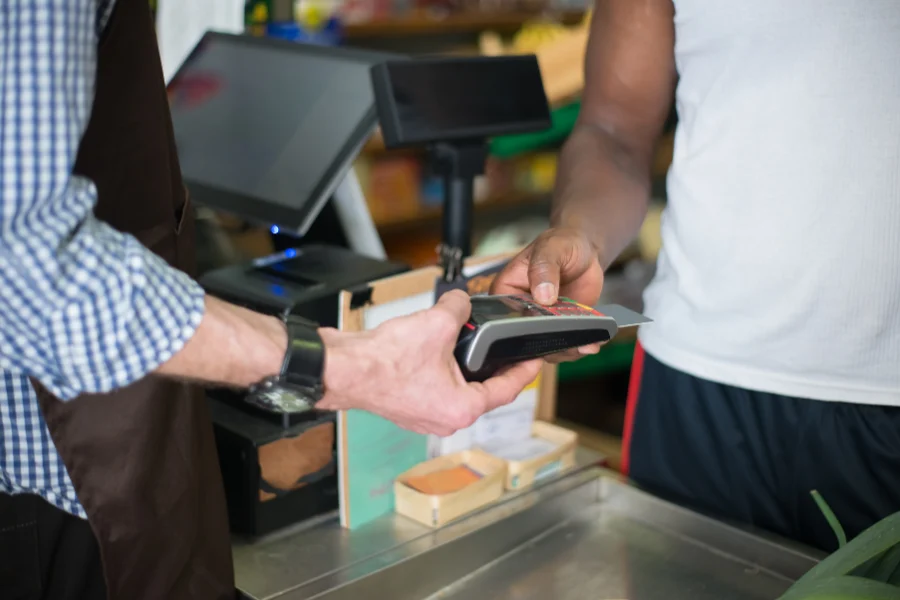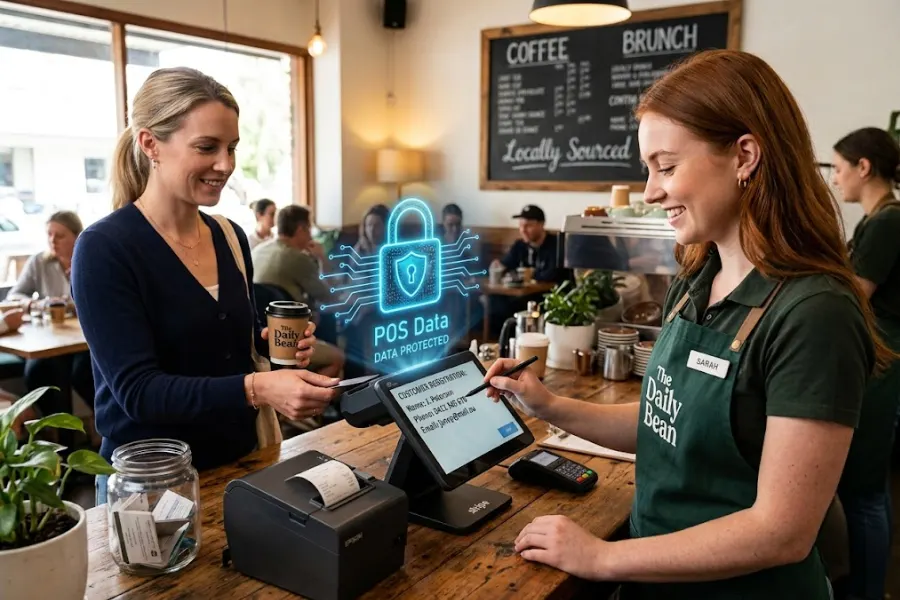
Payment data sits at the center of retail operations, which makes POS systems a constant target for both external attacks and internal misuse. A single weak point inside the transaction flow can expose cardholder data, interrupt sales, and trigger long-term trust issues with customers and partners. POS system security level calls for tight control over access, continuous visibility into system activity, and disciplined handling of software and network configurations.
Many breaches traced in recent years did not start with sophisticated tactics, but with overlooked gaps such as outdated systems, shared credentials, or unsecured connections. This article from ConnectPOS shares practical approaches that help retailers protect customer data while maintaining stable day-to-day operations.
Highlights
- POS security defines how payment data moves, where it can be exposed, and how access is controlled across the entire transaction flow
- Threats target both digital and physical layers, including malware, network entry points, device tampering, and internal misuse tied to weak credentials
- Strong protection comes from a combination of compliance standards, encryption, network separation, regular updates, strict access control, continuous monitoring, and staff awareness
POS System Security is The Top Priority
POS security shapes how a business protects payment data, customer trust, and daily operations at the transaction level. Every swipe, tap, or scan creates a potential entry point for attackers, which turns the POS environment into a high-value target. A single weak spot can expose cardholder data, disrupt sales, and trigger regulatory consequences that extend far beyond the checkout counter.
What is Point of Sale Security?
Point of Sale security refers to the set of controls, technologies, and practices that protect payment transactions and the systems handling them. It covers both hardware and software, along with the networks connecting registers, payment terminals, and back-office systems. The goal centers on preventing unauthorized access, detecting suspicious activity, and keeping sensitive data protected during every stage of a transaction.
Key elements
- Encryption of cardholder data during transmission and storage
- Tokenization to replace sensitive data with non-sensitive equivalents
- Secure POS hardware designed to resist tampering
- User access controls to limit system permissions
- Network protection such as firewalls and intrusion detection
- Regular software updates and patch management
- Monitoring tools that track unusual transaction patterns
The Cost of Ignoring POS Security
Weak POS security exposes a business to financial loss, legal exposure, and long-term reputational damage. Attackers often target POS systems to capture payment data in real time, which can lead to large-scale breaches. Recovery costs extend beyond immediate losses, affecting customer retention and brand perception.
Potential consequences
- Direct financial loss through fraud and chargebacks
- Regulatory fines tied to non-compliance with standards like PCI DSS
- Legal action from affected customers or partners
- Operational downtime that interrupts sales and service
- Loss of customer trust leading to reduced repeat business
- Expenses related to forensic investigations and system remediation
- Increased scrutiny from payment processors and financial institutions
Common Threats to Your Point of Sale Security
POS environments attract attackers because they sit at the center of payment processing and customer data flow. Threats come from both digital and physical angles, often exploiting overlooked gaps in system configuration, employee behavior, or device handling. A clear view of these risks helps businesses spot weak points before they turn into costly incidents.
Malware and Ransomware Attacks
Malicious software targets POS systems to capture payment data or lock access to critical systems. Attackers often gain entry through phishing emails, infected downloads, or outdated software, then move quietly within the network to collect sensitive information or deploy ransomware.
Key risks
- Memory scraping malware: Malicious code scans POS system memory to capture card data during active transactions, allowing attackers to extract information before encryption takes effect
- Ransomware lockouts: Systems become inaccessible after attackers encrypt files, forcing businesses to halt operations while facing ransom demands
- Remote access exploitation: Weakly protected remote desktop tools give attackers a direct path into POS systems, often without immediate detection
- Software vulnerability abuse: Outdated POS applications or operating systems create entry points that attackers can exploit with known attack methods
Physical Breaches and Card Skimmers
Physical access to POS devices creates opportunities for tampering and data theft. Attackers may install skimming devices or manipulate terminals in ways that remain unnoticed during daily operations.
Key risks
- Card skimming devices: Hidden hardware attached to card readers captures payment details during swipes, often paired with small cameras to record PIN entries
- Terminal tampering: Unauthorized modifications to POS hardware allow attackers to intercept transaction data or install malicious components
- Unsecured device placement: POS terminals placed in low-visibility areas increase the chance of undetected interference or theft
- Supply chain manipulation: Compromised devices introduced before installation can carry hidden threats that activate once connected to the network
Internal Threats and Weak Passwords
Not all threats come from outside. Employees, contractors, or partners with system access can introduce risk through negligence or intentional misuse. Weak authentication practices often make these risks easier to exploit.
Key risks
- Shared login credentials: Multiple staff using the same account reduces accountability and makes it difficult to trace suspicious activity
- Weak password practices: Simple or reused passwords allow attackers to gain access through guessing or credential stuffing techniques
- Privilege misuse: Staff with broad access rights may access or expose sensitive data beyond their job requirements
- Lack of access control review: Outdated user permissions remain active even after role changes or employee departures, leaving gaps open for misuse
7 Best Practices for Maximum POS Security
A resilient POS security strategy relies on layered controls that address system exposure, network design, and human interaction. Attackers often combine techniques, moving from weak entry points toward payment environments, so protection needs to extend across the entire transaction flow. The practices below reflect common failure points observed in breach investigations and industry reports.
Assure PCI DSS Compliance
PCI DSS defines a structured framework for protecting cardholder data across payment systems. It covers encryption, access control, monitoring, and regular testing. Organizations that maintain alignment with these requirements tend to detect weaknesses earlier and respond faster to emerging threats.
Compliance gaps remain widespread. According to the Verizon Data Breach Investigations Report, a large share of breached organizations failed to meet PCI DSS requirements at the time of the incident. This pattern highlights how lapses in compliance often correlate with successful attacks.
Implement End-to-End Encryption (E2EE) and Tokenization
End-to-end encryption protects payment data during transmission, keeping it unreadable from the moment it enters the POS terminal until it reaches the payment processor. This approach blocks interception attempts even if attackers gain access to the network.
Tokenization replaces sensitive card data with randomized tokens stored within the system. These tokens carry no exploitable value outside the payment environment, which limits exposure if a database is compromised.
Many researches show that encryption and tokenization together can lower the financial impact of a data breach by millions of dollars compared to environments without these protections, reinforcing their role in reducing breach severity.
Use Secure, Separate Wi-Fi Networks
POS systems should operate on a dedicated network that remains isolated from guest access and general business traffic. Network segmentation restricts how far attackers can move after gaining entry through another system, such as an employee laptop or public Wi-Fi connection.
Shared networks increase exposure by creating pathways between low-security and high-value systems. Attackers often exploit these pathways to move laterally toward payment environments. According to Ponemon Institute, 59% of organizations experienced a data breach caused by a third party or network-related weakness, which often includes poor segmentation and insecure network configurations.
Regularly Update Your POS Software
Outdated POS software leaves known vulnerabilities open to exploitation. Attackers frequently scan for systems running older versions because existing exploits require little effort to deploy. Regular updates close these gaps and remove predictable entry points. Security patches extend beyond the POS application itself. Operating systems, payment integrations, and connected services all require consistent updates to maintain protection.
A structured update process helps avoid disruption while keeping systems protected. Many businesses schedule updates during off-peak hours, test patches in a staging environment, and apply them in phases across locations.
For example, a retail chain running POS terminals on Windows 10 delayed a security update and left a known remote execution flaw unpatched. Attackers exploited that gap to gain access through the network, then installed malware to capture transaction data. This type of incident shows how even a short delay in patching can expose the entire payment environment if update management lacks discipline and oversight.
Enforce Strong Authentication and Role-Based Access
Authentication controls determine who can access the POS system and what actions they can perform. Multi-factor authentication adds an extra verification layer, reducing the risk tied to stolen credentials.
Role-based access limits permissions according to job responsibilities. This structure prevents unnecessary exposure of sensitive data and reduces the chance of internal misuse.
A report from Microsoft Security found that over 99% of account compromise attempts can be blocked with multi-factor authentication, showing how stronger login controls directly reduce unauthorized access.
For example, a cashier account should only process transactions, while administrative settings remain restricted to authorized personnel. This separation limits the damage if one account is compromised.
Monitor and Audit POS Systems Frequently
Continuous monitoring provides visibility into system activity, helping teams detect unusual patterns such as unexpected logins or abnormal transaction behavior. Early detection limits the scope of an attack and reduces response time.
Auditing validates that security controls remain active and aligned with internal policies. Regular reviews uncover outdated permissions, misconfigurations, and inactive safeguards that may create hidden risks.
A practical approach combines automated alerts with routine manual reviews. Teams often use centralized logging tools to track login attempts, transaction spikes, and system changes in real time, then schedule weekly or monthly audits to verify access rights and configurations. For example, repeated failed logins outside business hours or sudden refunds in high volume can signal misuse, prompting immediate investigation before the issue escalates.
Train Your Staff on Cybersecurity Awareness
Employees interact with POS systems daily, making them a common entry point for attacks. Training helps staff recognize phishing attempts, suspicious system behavior, and unsafe handling of payment devices.
Programs should focus on real-world scenarios such as identifying fake login pages, avoiding unknown USB devices, and reporting unusual activity quickly. Strong awareness reduces the likelihood of human error opening the door to attackers.
Data from Proofpoint shows that over 80% of organizations faced phishing attacks in recent years, reinforcing the need for ongoing staff education as part of POS security.
Elevate Your Retail Security with ConnectPOS
Retail security demands more than just basic safeguards; it requires consistent control across transactions, user access, and system visibility, from the checkout counter to back-office operations. ConnectPOS supports this approach through real-time tracking, strict permission settings, and direct integration with payment gateways that apply data protection standards aligned with PCI compliance requirements at each transaction point.
The system connects in-store and online data flows, giving retailers a clearer view of activity across every sales channel while keeping cardholder data protected under industry security standards.
Key capabilities
- Real-time monitoring: Track transactions as they happen, detect unusual patterns early, and respond before issues escalate
- Access control by role: Assign permissions based on staff responsibilities to limit exposure to sensitive data
- Centralized reporting: Review detailed logs and activity reports without switching between systems
- Secure payment integration: Connect with payment gateways that apply encryption and data protection standards
- Cloud-based system updates: Maintain up-to-date protection through continuous platform improvements and security patches
- Multi-store visibility: Monitor activity across locations in one dashboard, helping detect inconsistencies between branches
- Audit trail tracking: Record every action taken within the system, making it easier to investigate issues and maintain accountability
- Omnichannel data sync: Keep inventory, orders, and customer data aligned across online and offline channels, limiting data gaps that attackers could exploit
FAQs: POS Security
1. What is POS security and why does it matter?
POS security covers the protection of payment data, transaction processes, and the systems that handle them. Weak protection can lead to stolen card data, financial loss, and long-term damage to customer trust.
2. How do hackers typically attack POS systems?
Common methods include malware installed through phishing emails, exploitation of outdated software, weak remote access settings, and physical tampering with payment terminals.
3. What is PCI DSS and do all businesses need it?
PCI DSS is a global standard for handling cardholder data. Any business that processes, stores, or transmits payment card information is expected to follow its requirements, regardless of size.
4. How often should POS systems be updated?
Updates should happen as soon as security patches become available. Delays create opportunities for attackers who target known vulnerabilities in older versions.
5. Can small businesses be targeted by POS attacks?
Yes. Smaller retailers often face higher risk because they may lack strong security controls, making them easier targets compared to larger organizations.
Conclusion
POS security stands as an ongoing commitment rather than a one-time setup. Each layer, from encryption to access control and monitoring, plays a role in limiting exposure and detecting threats before they escalate. Retailers that maintain visibility across transactions and system activity tend to respond faster and limit the impact of incidents. Gaps often appear over time through system changes, staff turnover, or delayed updates, which makes continuous review a necessary part of operations.
If your business is looking to strengthen control over transactions and customer data, ConnectPOS provides a platform built to support real-time monitoring, role-based access, and secure payment integration. Contact us to know how ConnectPOS can support your retail environment and bring tighter control to every transaction point.
►►► Optimal solution set for businesses: Shopify POS, Magento POS, BigCommerce POS, WooCommerce POS, NetSuite POS, E-Commerce POS