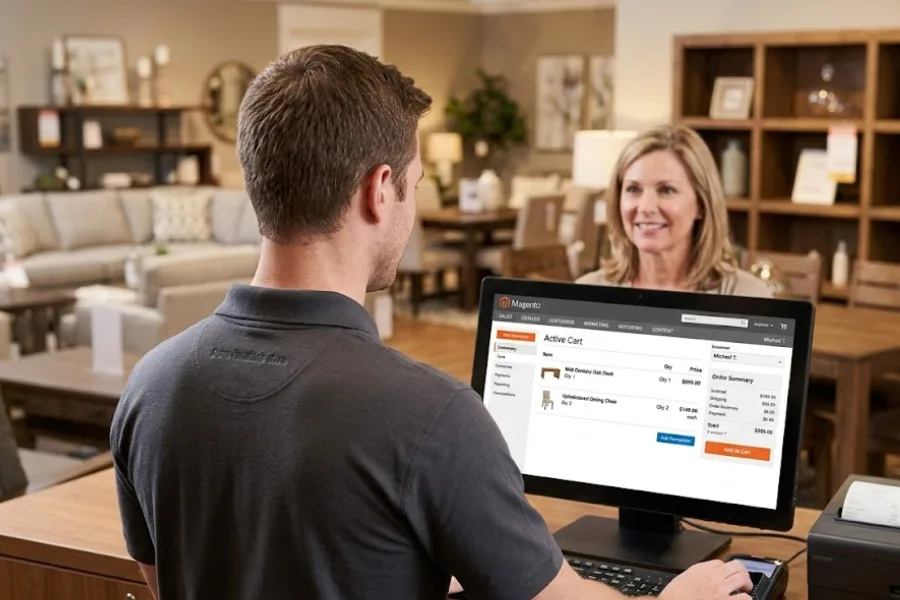
The landscape of modern healthcare is shifting rapidly. No longer are pharmacies merely quiet corners where prescriptions are filled; they have evolved into dynamic healthcare hubs. As patient expectations pivot toward digital-first convenience, the technology powering these establishments must keep pace. Central to this transformation is the POS pharmacy system.
In this article, ConnectPOS examines how specialized software acts as the primary engine for modern retail pharmacy, ensuring enhanced medication safety while drastically reducing patient wait times.
Highlights
- A specialized POS pharmacy system acts as a central “brain,” integrating inventory, prescriptions, and compliance to drastically reduce wait times and manual errors.
- Technology streamlines complex tasks such as batch tracking and insurance adjudication, giving pharmacists more time to focus on patient counseling, medication safety, and convenient omnichannel services.
What Is a POS Pharmacy System?
A POS pharmacy is a specialized software platform designed to handle the unique complexities of pharmaceutical retail, including strict regulatory compliance, sensitive patient data, and intricate inventory requirements.
Unlike standard retail software, these systems integrate directly with prescription management modules and insurance databases. This guarantees that when a customer walks up to the counter, the pharmacist has a 360-degree view of their needs, from their latest refills to potential drug interactions.
When bridging the gap between clinical care and retail efficiency, these systems allow pharmacists to focus more on patient counseling and less on manual data entry.
Key POS Pharmacy Features That Enhance Customer Experience
The modern patient values two things above all: safety and speed. To deliver on both fronts, a POS pharmacy must possess specific technical capabilities that streamline the backend while boosting the frontend experience.
- Prescription management: Prescription management is one of the most important features of a pharmacy POS system. Digital prescription handling minimizes manual entry errors while helping pharmacists process orders more efficiently.
- Batch and expiry date management in MSI: Pharmacies handle sensitive products that require strict monitoring of expiry dates. A modern POS pharmacy system helps businesses track medicine batches and expiration dates automatically.
- Batch selling: Batch selling enables pharmacies to manage inventory by production batch. This is especially useful during product recalls or when tracing medication history.
- Reports: Advanced reporting tools provide pharmacies with real-time insights into sales performance, stock movement, prescription trends, and customer purchasing behavior. With better visibility into operations, pharmacy owners can make smarter decisions regarding inventory planning, staffing, and customer service improvements.
- FEFO (First Expired, First Out) stock selling: The FEFO method is a game-changer for inventory efficiency. The system automatically prompts staff to sell items with the nearest expiration date first. This decreases costly pharmaceutical waste and ensures medicines remain fresh and safe for use.
- Drive-thru/curbside/delivery option: The “Amazon effect” has reached healthcare. Customers now expect flexible fulfillment. Whether it’s a parent caring for a sick child or an elderly patient needing home delivery, a modern POS supports omnichannel services that make pharmacy visits more convenient and stress-free.
- Multi-store control: For pharmacy chains, consistency is key. Multi-store control allows a manager in one location to check stock levels in another. If a life-saving medication is out of stock at Branch A, the staff can instantly see it’s available at Branch B and have it transferred or reserved for the patient, guaranteeing the customer never leaves empty-handed.
- Custom compliance based on client demand: Regulations like HIPAA in the US or various local health mandates in Southeast Asia require strict data handling. A flexible POS allows for custom compliance modules, confirming that every transaction meets the legal standards of the specific region without slowing down the service.
How POS Pharmacy Systems Directly Improve Customer Experience
When we talk about the “experience,” we are talking about the emotional and functional journey of the patient. A powerful POS for pharmacy system removes the friction points that lead to frustration.
The demand for these advanced systems is skyrocketing as pharmacies prioritize efficiency. According to the latest 2026 industry data from Mordor Intelligence, the global pharmacy management system market is estimated to reach $116.45 billion this year, driven by the rapid shift toward cloud-hosted platforms that automate complex workflows.
Faster Transactions and Shorter Waiting Times
Nobody enjoys standing in a queue, especially when they are managing a health condition or feeling unwell. A modern POS pharmacy system eliminates the manual “hunt and peck” method of entering product codes. With high-speed barcode scanning and integrated payment terminals, the checkout process is reduced from several minutes to just a few seconds.
The industry-wide move toward this efficiency is no accident. According to a report by Fortune Business Insights, the global pharmacy management system market is projected to grow from $22.84 billion in 2023 to $35.15 billion by 2030, a surge driven largely by the need for pharmacies to automate tasks and reduce patient wait times.
For example, consider a parent picking up antibiotics for a crying toddler. Instead of waiting for a pharmacist to manually calculate insurance co-pays and type in addresses, an automated system performs real-time insurance adjudication. The parent pays the correct amount instantly and can head home.
As the POS handles operational processes more efficiently, pharmacists gain more time to focus on patient care, including explaining medication usage and side effects, creating meaningful interactions that encourage long-term loyalty.
Improved Medication Accuracy and Safety
The integration between the POS pharmacy software and the clinical database acts as a final, digital safety net. In a high-pressure environment, human error is an inherent risk; however, technology provides a “second pair of eyes” that never gets tired.
If a patient attempts to purchase an over-the-counter (OTC) decongestant that interacts poorly with a prescription they filled last week, the system can trigger an automatic alert.
Modern systems use Drug Utilization Review (DUR) alerts at the point of sale. This makes sure that every item handed over the counter has been cross-referenced against the patient’s electronic health record. This commitment to safety doesn’t just protect the patient; it establishes the pharmacy as a trusted health partner rather than just a retail shop.
Greater Convenience Through Flexible Service Options
In the modern world, “omnichannel” is no longer a buzzword; it is a basic requirement. Today’s patients expect their local drug store to be as tech-savvy as their favorite online retailer.
A patient might start their journey on a mobile app to request a refill. They receive a text notification the moment it’s ready and choose curbside pickup. A staff member brings the medication to their car, and they pay via a contactless mobile wallet.
This flexibility respects the customer’s time. Whether it’s Click-and-Collect (BOPIS) or home delivery, a versatile system like ConnectPOS guarantees that records are updated in real-time, regardless of how the customer chooses to shop.
Better Availability of Medicines Through Smart Inventory Control
There is nothing more damaging to customer trust than a “stock out” of a chronic medication. For patients managing conditions like diabetes, a missing prescription is a significant health risk.
Using Just-in-Time (JIT) inventory logic, the system monitors sales velocity. When the last three bottles of a popular maintenance drug are sold, the system can automatically generate a purchase order for the wholesaler so a new shipment arrives the following morning.
Smart inventory control uses historical data to predict peaks in demand. When confirming “must-have” items are always on the shelf, the pharmacy prevents patients from having to “shop around” at competitors.
Challenges Pharmacies May Face Without a POS Pharmacy System
Relying on outdated software or manual workflows may seem manageable in the early stages of running a pharmacy, but as customer demand increases, these inefficient processes quickly become major operational obstacles.
Without a dedicated pharmacy POS system, businesses often struggle with inventory accuracy, prescription management, customer satisfaction, and long-term scalability. Over time, these issues can damage both profitability and patient trust.
- Inventory Errors and Expired Medicines
Manual tracking is inherently flawed. Without automated alerts, expired medications can easily remain on the shelves, posing a severe safety risk to patients and a legal liability for the business.
Furthermore, “hidden” stock items that are in the backroom but not recorded lead to unnecessary reordering, tying up valuable capital in excess inventory while other essential medicines go out of stock.
At the same time, pharmacies may unexpectedly run out of fast-moving medications because there are no automated low-stock alerts or demand forecasting tools. Essential medicines being unavailable can frustrate customers and force them to seek alternatives from competitors. Over time, repeated stock issues reduce customer confidence and loyalty.
- Slow Prescription Processing
Manual entry is not only sluggish but also highly susceptible to human error. In a high-traffic environment, a slow intake process results in bottlenecked queues and stressed-out staff.
When pharmacists spend the majority of their time on administrative data entry rather than patient consultation, the quality of care drops, and the likelihood of dispensing errors increases.
- Lack of Operational Visibility
Without real-time reporting, pharmacy owners are essentially “flying blind.” It becomes nearly impossible to accurately predict seasonal demand, such as the sudden surge in flu medications or allergy relief.
This lack of data often leads to inefficient staffing, either overstaffing during quiet periods or, more damagingly, understaffing during peak hours when patients need quick service most.
ConnectPOS for POS Pharmacy: Supporting Better Customer Experience
To overcome the operational hurdles of legacy systems and meet the rising demands of modern patients, pharmacies require more than just a checkout tool; they need a unified commerce engine. ConnectPOS provides a robust, future-proof platform specifically designed to bridge the gap between traditional clinical care and high-efficiency retail.
When integrating every touchpoint of the patient journey, ConnectPOS transforms the pharmacy from a simple shop into a responsive, patient-centric healthcare provider.
- Real-Time Inventory Management: Maintain accurate stock visibility across all pharmacy locations, warehouses, and sales channels to ensure medications and healthcare products are always available when patients need them.
- Batch & Expiry Tracking: Track lot numbers, batch information, and expiration dates in real time to improve medication traceability, reduce waste, and support regulatory compliance.
- FEFO Inventory Rotation: Automatically prioritize products nearing expiration through First Expired, First Out (FEFO) inventory management, helping pharmacies minimize losses and maintain product quality.
- Prescription & Dispensing Management: Streamline prescription processing, verification, and dispensing workflows while maintaining accurate records for improved patient safety and operational efficiency.
- Multi-Store Pharmacy Management: Centralize inventory, sales, and patient data across multiple branches through a single dashboard, enabling consistent service and efficient stock transfers.
- Omnichannel Fulfillment Options: Meet modern patient expectations with flexible fulfillment methods, including in-store pickup, curbside collection, drive-thru service, and home delivery.
- Patient Profiles & Purchase History: Access comprehensive customer records and medication histories to provide more personalized service and support long-term patient relationships.
- Automated Reorder Alerts: Prevent stock shortages of essential medications with intelligent low-stock notifications and proactive replenishment management.
FAQs: POS pharmacy
- Does the POS support modern pickup methods?
Yes. Modern POS Pharmacy systems support drive-thru pickup, curbside collection, click-and-collect, and delivery services to improve customer convenience.
- Is the system customizable for local regulations?
Many pharmacy POS systems, including ConnectPOS, offer customizable compliance settings that can adapt to local healthcare and pharmacy regulations.
- How does a pharmacy POS improve patient safety?
A POS pharmacy system improves patient safety through automated prescription management, expiry tracking, batch monitoring, and inventory accuracy controls.
Conclusion
In sum, modern pharmacies are transitioning into dynamic healthcare hubs. A specialized POS pharmacy system serves as the operation’s central brain, integrating prescription processing, complex compliance, and smart inventory controls. When automating workflows like real-time insurance processing and FEFO expiry tracking, this technology dramatically slashes customer wait times and minimizes manual error risks. Consequently, pharmacists can shift away from tedious administrative tasks to prioritize patient safety, clinical counseling, and omnichannel conveniences like curbside pickup.
To eliminate operational bottlenecks and elevate your customer experience, contact us today and see how our unified commerce engine can transform your retail pharmacy.
►►► Optimal solution set for businesses: Shopify POS, Magento POS, BigCommerce POS, WooCommerce POS, NetSuite POS, E-Commerce POS