Retail speed used to depend on staff instinct and clean checkout. That’s no longer enough. A strong AI POS system helps you read demand earlier, spot weak points faster, and act before small issues turn into lost sales. In this ConnectPOS guide, we’ll show how AI changes daily retail work, where it helps most, and what to look for before you invest.
Highlights
- Retail competition now depends on speed, accuracy, and personal service as much as price.
- A smarter POS helps teams react faster to demand, stock risks, and customer behavior.
- Better data at checkout can shape stronger planning, cleaner operations, and repeat sales.
Competition Looks Different in Retail Today
Retail pressure feels different now. Customers expect fast service, easy payment, clean stock visibility, and offers that make sense for them. Salesforce reports that 80% of consumers say the experience a company provides matters as much as its products, and 71% have switched brands at least once since 2021 for better deals, product quality, or service.
That shift changes what counts as an advantage. Lower prices still help, yet price alone won’t hold attention for long if checkout is slow, stock is wrong, or service feels generic.
Store operations now shape brand value in plain sight. A missing item, a delayed refund, or a cashier who can’t see order history can weaken trust faster than many retailers expect.
Pressure also builds behind the counter. Teams have less room for manual work, slower reports, and patchy systems. IBM found that 81% of surveyed retail and consumer product executives, and 96% of their teams, already use AI to a moderate or strong extent.
That’s why the POS now sits closer to strategy. It tracks sales, stock, traffic, and customer behavior in one place. Done well, it helps you react early, not late.
What an AI POS System Really Adds Beyond Traditional POS
A standard POS records sales and keeps daily tasks moving. An AI POS system goes further. It reads patterns inside that data and helps teams decide what to do next.
That difference matters more than it sounds. Retailers don’t just need records anymore. They need guidance that shows where revenue is drifting, where stock is at risk, and which customers are ready to buy again.
- A plain definition: An AI POS system is a point of sale platform that uses machine learning, forecasting, and behavior data to support better retail decisions. It helps teams move from static records to live direction.
- Rules versus pattern reading: Traditional systems follow fixed rules. AI reads what happened across time, then flags trends, changes, and likely outcomes. One system tells you what sold. The other helps explain why it sold and what may happen next.
- Sales, stock, and customer data in one loop: Good AI tools pull from transactions, inventory history, promotions, customer profiles, and store activity. That joined-up view makes the system far more useful than a report that sits alone.
- More than a dashboard: Standard dashboards often stop at totals. AI adds signals, forecasts, and suggested actions. That might mean a stock warning, a promotion alert, or a sharper view of which items deserve more shelf space.
- Next-step recommendations: This is where the real shift happens. ConnectPOS’s Report & Analytics content points to omnichannel data collection, behavioral analysis, and an AI-driven recommendations engine that turns raw numbers into practical retail action.
A POS becomes far more useful when it helps teams choose the next move. That’s the real jump from reporting to action.
How an AI POS System Empowers Businesses to Be More Competitive
Retail teams don’t win by moving once a month. They win in small moments, all day. A better POS helps them make those moments count.
Faster Decisions with Real-Time Business Visibility
Speed at the store level often starts with visibility. Teams need current numbers, not yesterday’s file and not a pile of tabs.
- Live store performance: Real-time views help managers track sales, returns, stock movement, and staff activity while the day is still moving. That shortens the gap between a problem and a response.
- Faster reaction to winners and laggards: Bestsellers become obvious sooner. Slow movers also stand out earlier, which helps teams fix placement, pricing, or promotion before stock turns stale.
- Less time lost in manual checks: A live dashboard cuts the habit of cross-checking spreadsheets, emails, and back-office notes. ConnectPOS describes this through dashboard analysis, automated inventory alerts, and centralized control across locations.
- Clearer store-to-HQ view: The head office can see the same sales picture as store teams. That supports faster calls on promotions, transfers, and staffing.
Faster decisions don’t always look dramatic. Often, they look like fewer missed chances and fewer ‘we’ll fix it tomorrow’ moments.
Better Inventory Control That Protects Revenue
Inventory mistakes cost money in two directions. Empty shelves lose sales. Slow stock ties up cash and space.
A stronger AI POS system uses sales history, buying trends, seasonality, and customer behavior to build better demand forecasts. That helps teams reorder sooner on items that move fast and ease back on products that sit too long.
Stock control also improves across channels. Connected retail data keeps online and in-store numbers closer to reality, so teams aren’t guessing which branch has what. Take JAT Clothing. ConnectPOS helped the brand reach 100% data accuracy, along with a 30% rise in sales and 25% happier customers after syncing Shopify sales, inventory, and customer data under one system.
A stronger stock picture also helps protect margins. Better replenishment means fewer panic purchases, fewer stockouts, and less capital trapped in dead inventory. That’s where inventory management software starts to feel less like a support tool and more like a growth tool.
Stronger Customer Retention Through Personal Selling
Customer retention depends on memory. Not human memory alone, but system memory too. A store that remembers preferences, timing, and past purchases can serve people in a much smarter way.
McKinsey reports that personalization can cut customer acquisition costs by up to 50%, lift revenue by 5% to 15%, and increase marketing ROI by 10% to 30%. The same research says 71% of consumers expect personalized interactions, and 76% get frustrated when that doesn’t happen.
That’s where a connected CRM POS setup starts pulling real weight. Customer history, buying patterns, and visit frequency stop sitting in fragments. They become usable signals for store staff, offers, and follow-up campaigns.
The sales floor changes, too. Staff can suggest items that actually match past behavior. Rewards feel more relevant. A loyalty Program POS also keeps those actions tied to real buying habits instead of broad, forgettable discounts.
Repeat business grows when the system helps teams sell like they know the customer. Because in many cases, they do.
Faster Checkout and Smoother In-Store Experience
Queue time shapes customer mood fast. One bad line can undo a strong visit.
- Shorter wait time: Quick checkout keeps traffic moving and lowers drop-off near the register.
- Better assisted selling: Mobile checkout gives staff room to sell on the floor, check stock on the spot, and close the sale without sending customers back to a fixed counter. That matters in stores where advice shapes the purchase.
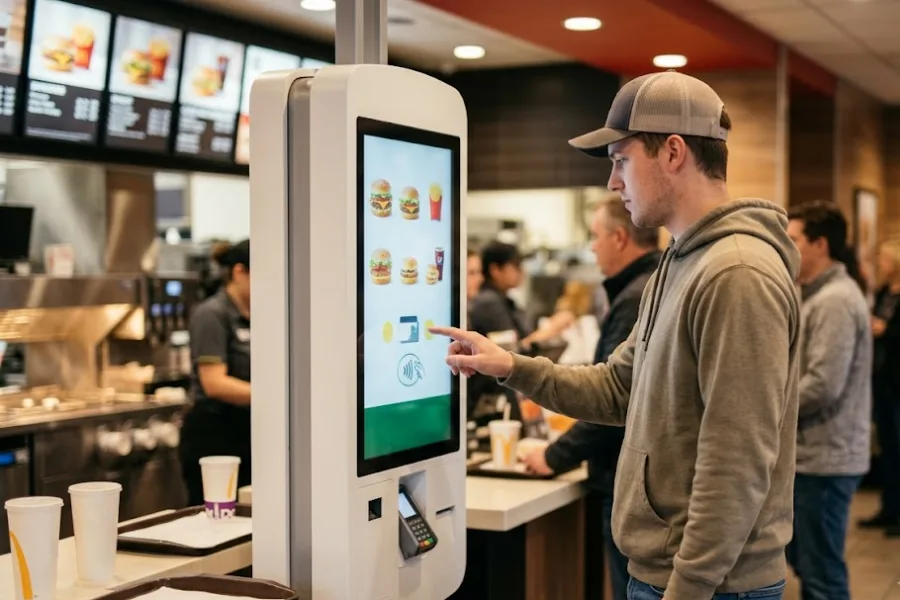
- Cleaner self-checkout flow: Self-Service tools also help cut friction.
- Stronger peak-hour handling: Faster checkout protects conversion during rush periods. A one-minute gain per transaction adds up fast in busy stores.
The sale still matters. Yet the last few steps shape whether the whole visit felt smooth or messy.
Smarter Promotions and Pricing Decisions
Retailers rarely suffer from a lack of promotions. They suffer from weak timing and weak targeting.
A stronger AI POS system helps teams see which customer groups respond to which offers, when a promotion starts losing value, and where a blanket discount does more harm than good. That makes campaigns more precise and less wasteful.
Take the 2024 holiday season. Reuters reported that U.S. online sales rose nearly 4% year over year, shoppers used AI-based chatbot services 42% more than the year before, and AI-influenced sales reached $229 billion globally.
Those numbers matter because they show how timing, relevance, and guided product suggestions now shape purchase decisions. Retailers that keep discounting the same way for everyone will keep missing the signal.
More Control Across Omnichannel Operations
Omnichannel selling sounds simple until stock, orders, and customer data start drifting apart. Then every team sees a different version of the business.
- Aligned online and offline data: Good POS systems keep pricing, promotions, taxes, and stock updates connected across channels. That lowers confusion for staff and customers.
- One customer record, not several: Customer history should follow the shopper, whether the sale starts online or in-store. That helps the service stay consistent.
- Stronger order handling: Orders, exchanges, pickup, and delivery all work better when the same system supports them. That’s where retail businesses often start feeling the value of connected order logic, not just connected checkout.
- Store network control: A solid multi store POS setup helps teams manage branches from one view and react faster when one location runs low or another starts trending up.
Consistency matters more when you grow. Customers don’t care which channel caused the error. They just remember the error.
Lower Manual Work and Fewer Costly Mistakes
Manual work slows teams twice. It takes time up front, then it creates errors that need more time later.
- Fewer duplicate entries: Data entered once should stay usable everywhere. Repeating the same product, order, or customer update across systems eats time and invites mistakes.
- Simpler daily workflows: Clean automation frees staff from routine admin and keeps them closer to customer-facing work.
- More time for service: Square found that 100% of businesses surveyed said automation had improved their business in some way. The same study found 67% of retail customers prefer businesses to use automation over live staff in at least one area, especially for inventory information, checkout, or pickup and delivery.
- Fewer hidden errors: Good automation also lowers missed updates, wrong counts, and clumsy order handling that often go unnoticed until they become expensive.
Retail staff should spend more time selling, helping, and checking live numbers. Not patching avoidable admin work.
Stronger Planning for Growth
Growth gets messy when the system stays small. New stores, broader catalogs, fresh channels, and larger teams all raise the cost of weak data.
A smarter POS helps planning stay grounded. Leaders can see product performance, store-level differences, customer trends, and traffic patterns in one place. That makes expansion choices less reactive and more deliberate.
Planning works better when your numbers stop arguing with each other. Growth becomes easier to manage when the system is built to carry more weight.
Where Businesses Feel the Biggest Gains from AI POS
Some retail models feel the benefits earlier than others. Complexity tends to speed that up.
- Apparel and fashion stores: Variant-heavy stock, style-based recommendations, and frequent promotions make fashion a strong fit. ConnectPOS positions apparel around omnichannel management, bundles, personalization, and AI facial recognition for more tailored service.
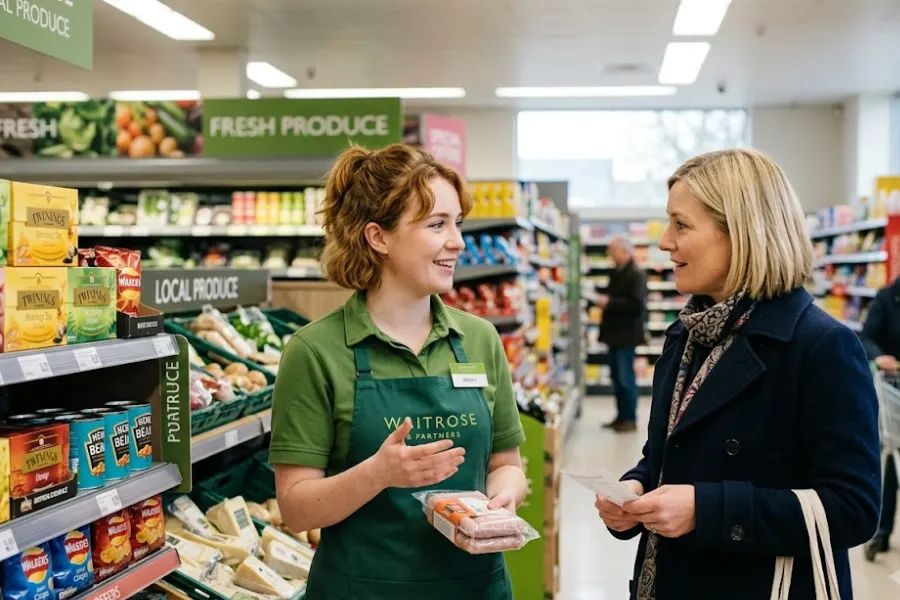
- Grocery and supermarket stores: Fast stock movement, checkout volume, and thin margins push grocery teams toward better forecasting and cleaner inventory alerts.
- Furniture and home stores: Large catalogs, assisted selling, and flexible payment needs all push demand for stronger order visibility and customer history.
- Specialty retail: Stores that depend on loyalty and repeat visits gain from cleaner profiles, more relevant offers, and quicker service.
- Retailers running several branches: Multi-location operations feel the value early because data drift becomes far more expensive once stores and channels start growing.
The more moving parts a business has, the faster weak systems show up. That’s usually where AI starts proving its worth.
Signs a Business Has Outgrown a Basic POS Setup
A basic POS can work for a while. Then the cracks start showing.
- Stock counts keep drifting: Staff checks the system, then checks the shelf, then checks again. That cycle usually means the platform can’t keep up with the business.
- Too much spreadsheet work: Teams still export data, clean it by hand, and patch reports outside the system. That slows decisions and creates new errors.
- Promotions feel hard to control: Offers look one way online and another way in-store, or they start and end at the wrong time.
- Customer data goes unused: Purchase history exists, yet staff can’t act on it during the sale. Marketing also stays broad because segments are weak.
- Reports stop at description: The system explains what happened, but it doesn’t point to the next move.
- Growth adds friction: Every new branch, sales channel, or product line creates more confusion instead of better reach.
When those signs stack up, the problem usually isn’t staff effort. It’s system fit.
What to Look for in an AI POS System Before You Invest?
A smart platform should help your team work better on day one and scale better later. That means checking the basics and the long-term fit.
- Real-time sync: Stock, orders, pricing, and customer updates should stay aligned across channels and locations.
- Clear reporting: You need live dashboards, not static exports. A strong AI POS system should help teams see patterns and act quickly.
- Customer profile support: Sales history, segments, and loyalty data should sit in one place and stay usable during the sale.
- Forecasting and stock visibility: Demand planning, low-stock warnings, and stock movement views matter when cash and availability both count.
- Mobile and self-service options: Flexibility on the floor matters. So does faster checkout when traffic rises.
- Open integrations: POS should connect cleanly with eCommerce, ERP, CRM, payments, and related tools.
- Offline support: Sales should not stop because the internet drops.
- Customization: Different retail models need different flows. Your POS should bend to the business, not the reverse.
- Reliable support: Strong onboarding and clear support still count, especially when you’re moving from older systems.
Those checks help you avoid a system that looks good in a demo and feels weak in live retail.
ConnectPOS Brings AI-Ready Retail Tools That Help Businesses Compete Smarter
ConnectPOS helps retailers turn day-to-day store data into faster, sharper decisions. With AI-powered forecasts, real-time visibility, and connected operations, businesses can respond earlier to demand changes, control inventory with more precision, and create better customer experiences across channels. That gives them a stronger edge in markets where timing, accuracy, and consistency shape long-term growth.
- POS system forecasts: ConnectPOS supports smarter retail planning with forecasts tied to revenue, buying trends, customer traffic, sales volume, promotion impact, and peak times. This helps businesses prepare for demand shifts earlier, staff stores more effectively, and make better promotion decisions.
- Inventory system forecasts: ConnectPOS also strengthens inventory control through demand forecasting, stockout and overstock risk visibility, inventory turnover insights, supplier performance tracking, and alerts around possible supply chain disruption. These tools help retailers stay lean without losing sales.
- Unified multichannel management: ConnectPOS keeps online and offline operations aligned, so businesses can manage products, orders, inventory, and customer interactions with more consistency. This supports better execution across every selling touchpoint.
- Smart customer engagement: With stronger customer profiles, loyalty support, and personalized shopping capabilities, ConnectPOS helps businesses turn customer data into more relevant service and more targeted selling moments.
- Faster, more flexible store operations: ConnectPOS supports smoother in-store execution through tools like mobile POS, self-checkout, and flexible payment support. This helps reduce friction at checkout and improves the overall customer journey.
- Advanced customization: Businesses can tailor interfaces, permissions, receipts, and workflows to match their operating model. That gives teams more control and makes the system easier to adapt as the business grows.
- API-first connectivity: ConnectPOS integrates with eCommerce platforms, payment gateways, ERP systems, CRM tools, and other third-party software. This creates a more connected retail setup where data moves faster, and decisions become easier.
- Scalable architecture for growth: Its modern architecture supports multi-store expansion, global operations, and more complex retail needs. This matters for businesses that want to scale without adding system chaos.
These capabilities make ConnectPOS a strong fit for an article about how an AI POS system helps businesses become more competitive. It connects forecasting, inventory intelligence, customer engagement, and omnichannel control into one system, helping retailers act faster and compete with more confidence.
FAQs: AI POS System
1. What is an AI POS system?
An AI POS system is a point of sale platform that uses sales, inventory, and customer data to support better decisions. It can help forecast demand, flag stock risks, guide promotions, and support more personal selling.
2. How does an AI POS system help a business become more competitive?
It helps teams act faster. Better forecasts, sharper customer targeting, faster checkout, and cleaner omnichannel control all support stronger day-to-day retail performance.
3. Can small and mid-sized retailers benefit from an AI POS system?
Yes. Smaller retailers often gain a lot from better stock visibility, cleaner automation, and less manual work. The value shows up in time saved, fewer errors, and better repeat sales.
4. What is the difference between a traditional POS and an AI POS system?
A traditional POS records activity. An AI POS system reads patterns in that activity and helps suggest what comes next. That can include demand planning, customer recommendations, and promotion timing.
5. Which features matter most when choosing an AI POS system?
Look for real-time sync, clear reporting, stock forecasting, customer profiles, mobile checkout, self-service support, strong integrations, offline mode, and flexible setup options.
Final Thoughts
Retail competition now runs on timing, clean data, and better follow-through. A strong AI POS system helps you move faster on stock, service, promotions, and growth planning without adding more admin to the day. ConnectPOS brings those pieces together in one connected setup, so your team can work with more clarity and sell with more confidence. If you’re ready to build a smarter retail operation, contact us and let’s talk about what fits your business best.
►►► Optimal solution set for businesses: Shopify POS, Magento POS, BigCommerce POS, WooCommerce POS, NetSuite POS, E-Commerce POS