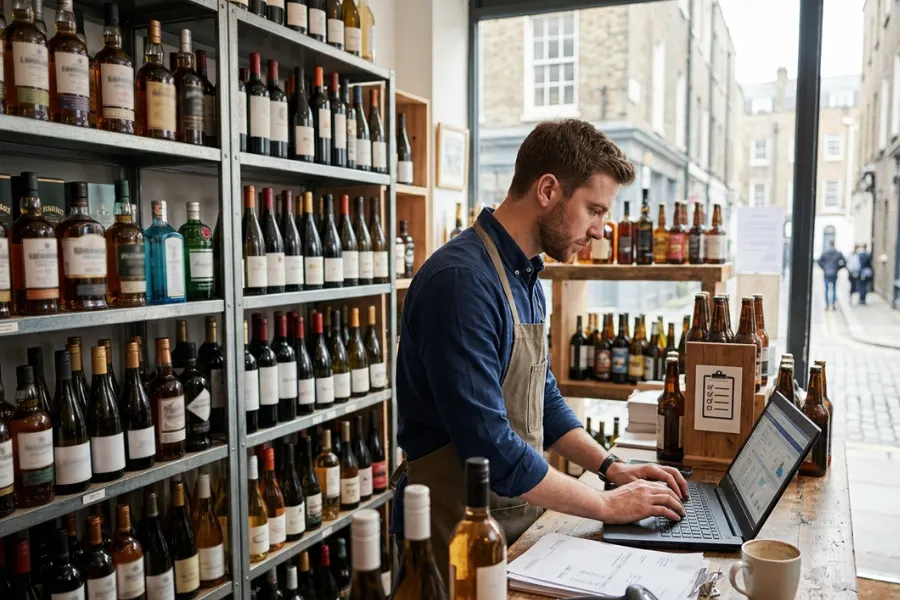
A single compliance mistake can cost more than a slow sales day. That’s why choosing the best POS system for small liquor store operations isn’t a routine tech upgrade. It’s a business safeguard. In this guide of ConnectPOS, we’ll explain what a liquor store POS needs, how alcohol-ready systems differ from generic retail tools, and how you can select the right solution with confidence.
Highlights
- Compliance tools, excise tax management, and built-in ID verification are non-negotiable for any small liquor store POS.
- Accurate case breaking, real-time inventory tracking, and detailed sales reporting separate alcohol-ready systems from generic retail software.
- Cloud sync, loyalty programs, and scalable architecture prepare liquor retailers for online sales and multi-location growth.
The Real POS Demands Behind a Small Liquor Store
Liquor retail looks simple from the outside. Bottles on shelves. A counter. A barcode scanner. Yet daily operations are layered with rules, risk, and tight margins. In the United States, spirits supplier sales totaled $37.2 billion in 2024, and volumes rose 1.1% to 312.2 million 9-liter cases. This shows how much money is moving through this category. A standard checkout setup often can’t handle that pressure.
- Different from general retail: A wine and spirits store manages regulated products, high-ticket items, and strict documentation. Unlike clothing or groceries, alcohol sales connect directly to licensing laws. In the United States, the National Alcohol Beverage Control Association notes that 17 states and some local jurisdictions use a “control” model for spirits, so the rules can vary a lot by location. Your liquor store POS must support that reality, not ignore it.
- Age checks tied to legal exposure: Every transaction carries responsibility. Staff must verify ID correctly every time. In 2023, the CDC reported that 22% of U.S. high school students drank alcohol in the past 30 days. This is one reason age checks stay under a bright spotlight. A small alcohol retail POS platform should prompt checks, record refusals, and protect the store from accidental violations.
- Excise tax complexity: Beer, wine, and spirits don’t share identical tax rules. Rates vary by alcohol type and size. For example, the TTB lists beer at $3.50 per barrel for the first 60,000 barrels for small brewers, and $18.00 per barrel as the general rate. On the same tax table, still wine at 16% ABV and under is $1.07 per wine gallon, while distilled spirits are $13.50 per proof gallon. Without proper excise tax management, reporting becomes messy and error-prone.
- Case breaking and unit tracking: You may buy a case of craft beer, then sell it as single cans. Inventory must adjust instantly. A retail system built for wine and spirits stores tracks bottles, packs, and cases without manual fixes.
- Shrinkage and theft risk: High-value inventory invites loss. Clear audit trails and real-time stock updates help you spot inconsistencies early.
- Seasonal swings: Holidays, local events, and promotions shift demand quickly. NielsenIQ found stout had a rate-of-sale increase of nearly 50% in the four weeks leading up to Christmas compared with the 2024 average. The software should keep up with sudden spikes without lag.
Generic retail software treats alcohol like any other SKU. That’s the problem. The ideal checkout system for neighborhood liquor retailers recognizes regulation, inventory complexity, and compliance pressure as daily realities, not optional extras.
How to Choose the Best POS System for Small Liquor Store?
Choosing the right system requires strong risk control. The best POS system for small liquor store operations must protect your license, track complex inventory, and keep checkout steady during peak hours. Let’s break down what separates a top POS solution for small liquor shops from generic retail software.
Built-In Age Verification & Compliance Controls
Alcohol retail runs on compliance. One skipped ID check can lead to fines or suspension. A leading point of sale software for independent bottle stores treats verification as a daily safeguard, not a side function.
- ID scanning and instant validation: The system should scan driver’s licenses and passports, read birth dates instantly, and display clear approval or rejection prompts. Staff don’t need to calculate age manually. That removes guesswork at the counter.
- Automatic age calculation before payment: The POS calculates eligibility before a transaction closes. If the customer doesn’t meet the legal age, the sale stops immediately. This protects your alcohol licensing status.
- Time-based sale restrictions: Local laws may restrict alcohol sales during certain hours. The software can block transactions outside approved windows. No manual monitoring required.
- Audit logs and refusal records: Every ID scan and declined sale should be recorded. If regulators request proof, you have a clear digital trail.
- Excise tax management by product type: Beer, wine, and spirits often carry different tax rates. The platform assigns tax rules based on the alcohol category automatically.
A strong compliance setup protects your store quietly, transaction after transaction. That’s non-negotiable in alcohol retail.
Liquor-Specific Inventory Management
Inventory in a small liquor store rarely stays simple. Bottles break from cases. Limited-edition spirits sell out fast. Beer inventory shifts weekly. A retail system built for wine and spirits stores must reflect that rhythm.
- Case breaking and unit-level tracking: Buy in bulk. Sell individually. The POS deducts single bottles from a master case count automatically. No spreadsheet updates after closing.
- Real-time stock visibility: When a bottle sells, stock updates immediately. Staff can check availability without walking to the shelf. That prevents accidental overselling.
- Smart reorder alerts: The software tracks sales patterns and flags low-stock items early. Holiday demand for premium whiskey? The system notices.
- Vendor and purchase order management: Orders to distributors stay organized inside the platform. You can trace which supplier delivered which SKU.
- Expiration awareness for select products: Some craft beers and specialty wines carry freshness concerns. The POS helps monitor aging inventory.
Liquor shop management software must act like a back-office assistant. When inventory accuracy improves, shrinkage drops and reporting becomes clearer.
Fast and Simple Checkout Experience
A crowded Friday evening tests any liquor store POS. Lines form quickly. Payment speed becomes part of the customer experience.
- Rapid barcode scanning and search tools: Staff scan bottles or search by SKU or name. The product appears instantly. That keeps the line moving.
- Integrated payment support: Card, contactless, QR code, or cash. The system processes transactions smoothly without switching devices.
- Cash drawer control and reconciliation: At the end of the day, reports match physical cash totals. Fewer surprises during closing.
- Offline sales protection: Internet drops happen. The platform continues processing transactions and syncs data once the connection returns.
The ideal checkout system for neighborhood liquor retailers doesn’t slow down during rush hour. It supports steady flow, even under pressure.
Sales Reporting & Demand Forecasting
Sales data should guide daily decisions, not sit buried in a dashboard. A strong liquor store POS translates transactions into a clear direction. Numbers matter, but clarity matters more.
- Daily performance snapshots: The system compiles sales totals, payment breakdowns, and category performance automatically. You can see how beer compares to spirits in minutes, not hours.
- Top sellers and slow movers: The software highlights which SKUs move fastest and which sit untouched. If a premium wine hasn’t sold in weeks, you’ll spot it quickly. That helps adjust pricing or promotions.
- Margin tracking by product: Not all bottles deliver the same profit. The POS calculates margin at the SKU level, so pricing decisions rely on real numbers rather than guesswork.
- Seasonal pattern recognition: Holiday demand for champagne or local event spikes in craft beer become visible over time. The platform turns past data into smarter stocking decisions.
- Staff-linked reporting: Sales performance by employee provides visibility without micromanaging. It builds accountability across the team.
Clear reporting transforms your liquor shop management software into a planning tool, especially when it includes strong sales reporting and analytics. Better visibility means steadier purchasing and fewer surprises.
Customer Loyalty & Promotions
Customer retention in alcohol retail often depends on familiarity. Regular buyers return for trusted brands, but they also respond to thoughtful incentives. A retail system built for wine and spirits stores supports that connection.
- Point-based loyalty programs: The POS tracks purchases and assigns rewards automatically. Repeat customers accumulate benefits without extra cards or paperwork.
- Bundle and mix pricing rules: Buy three bottles, save a percentage. Mix wine varieties under one discount. The software applies pricing logic instantly at checkout.
- Bulk purchase incentives: High-volume buyers receive tiered discounts without manual adjustments. Wholesale-style pricing works smoothly within the same platform.
- Purchase history targeting: The system stores customer buying patterns. Promotions can align with preferred brands or categories.
A small alcohol retail POS platform should support repeat business quietly. Strong loyalty program tools turn occasional buyers into steady revenue.
Cloud Access & Multi-Channel Selling
Liquor retail no longer ends at the counter. Customers expect online visibility, pickup options, and delivery updates. A modern POS system for liquor retailers connects physical and digital sales naturally.
- Real-time sync across channels: Inventory updates when an item sells online or in-store. No double-counting. No confusion about availability.
- Remote reporting access: Owners can review sales, inventory, and tax summaries from any location. This adds flexibility without extra servers.
- Click-and-collect coordination: Online orders are prepared for in-store pickup. Staff confirms availability quickly.
- Delivery integration: Orders from approved delivery apps sync directly into the system. That keeps stock levels accurate.
- Scalable multi-location control: Expansion into another neighborhood doesn’t require a new software structure. The platform grows alongside the business.
Cloud access transforms a point of sale for alcohol businesses into a connected retail network. It supports daily operations and future growth without adding complexity.
Common Mistakes When Choosing a POS for a Small Liquor Store
Selecting a liquor store POS often feels urgent. Hardware breaks. Lines grow. A vendor promises a quick fix. Rushed decisions create long-term friction. The wrong system slows reporting, complicates excise tax management, and increases compliance risk.
- Choosing based only on price: A low monthly fee looks attractive. Yet hidden costs appear later in manual inventory fixes or limited reporting. A top POS solution for small liquor shops should balance cost with long-term stability.
- Ignoring alcohol-specific compliance tools: Generic retail software may process payments smoothly. It may not track ID checks or apply alcohol tax rules correctly. Missing compliance controls put your alcohol licensing at risk.
- Underestimating inventory complexity: Case breaking, beer inventory rotation, and supplier management require structure. A point of sale for alcohol businesses must reflect real stock flow, not assume simple SKU counts.
- Skipping accounting integration: Sales data should connect directly to bookkeeping systems. Manual exports increase errors and waste time during tax season.
- Thinking short-term about growth: Expansion into online sales or a second location happens faster than expected. A small alcohol retail POS platform should scale without replacing the entire setup.
Small liquor stores operate under tighter rules than most retailers. Selecting the right system demands attention to compliance, reporting depth, and long-term fit, not just surface-level convenience.
Meet ConnectPOS: A Strong Option for Small Liquor Stores
Choosing the best POS system for small liquor store operations often comes down to balance. Compliance must stay tight. Inventory must stay accurate. Growth must remain possible. ConnectPOS positions itself as a retail system built for wine and spirits stores that want structure without complexity.
- Real-time omnichannel sync: ConnectPOS connects in-store and online sales instantly. When a bottle sells through your website, stock adjusts at the counter. This reduces double-counting and protects beer inventory accuracy.
- Structured product categorization: Bottles, packs, cases, and even kegs can sit under clear product hierarchies. The POS tracks each level without manual work. That supports detailed excise tax management and reporting.
- Compliance-ready controls: Built-in age verification prompts and tax configuration tools help align transactions with alcohol licensing rules. ID checks appear automatically during checkout.
- Inventory alerts and stock clarity: The platform monitors low-stock thresholds and flags items before shelves empty. For stores managing high-value spirits, that visibility matters.
- Loyalty and targeted promotions: Customer purchase history supports smarter reward campaigns. Mix-and-match pricing rules apply automatically at checkout.
- Flexible payments and hardware compatibility: The system supports modern payment types and works with common devices, keeping the setup practical.
- Scalable architecture: Stores planning expansion can add locations under one dashboard. Reporting remains centralized.
Retailers across industries, including brands like Yeti Cycles, have used ConnectPOS to unify channels and maintain real-time data flow. For liquor retailers seeking a small alcohol retail POS platform that balances compliance, inventory depth, and future growth, this provider presents a serious option.
FAQs: Best POS System for Small Liquor Store
1. What should I look for in the best POS system for a small liquor store?
The best POS system for small liquor store operations should include age verification, liquor tax automation, and case-break inventory tracking. It must handle bottles, packs, and cases without inventory errors. A system built for alcohol retail helps you stay compliant and avoid costly mistakes.
2. Do small liquor stores really need age verification built into the POS?
Yes. Selling alcohol to a minor can result in fines or license suspension. A POS system for liquor retailers should prompt ID checks, scan government-issued IDs, and block restricted sales automatically.
3. Why is inventory management so important for liquor retailers?
Alcohol inventory is complex. You manage high-value spirits, rotating beer inventory, and split cases. A retail system built for wine and spirits stores should provide real-time stock updates, low-stock alerts, and structured reorder controls.
4. Is a cloud-based liquor store POS a better option?
For many small alcohol retailers, yes. Cloud-based platforms allow remote reporting, real-time sync between online and in-store sales, and secure data backup. This supports daily operations and future expansion.
5. How much does a POS system for a small liquor store cost?
Costs vary based on features, number of registers, and payment processing terms. Most stores pay a monthly subscription plus transaction fees. Focus on long-term value, not just upfront pricing.
Final Thoughts
Selecting the best POS system for small liquor store operations shapes more than checkout speed. It protects your license, keeps inventory clean, and turns data into better buying decisions. The right liquor store POS should handle compliance, reporting, and growth without constant manual fixes. If you’re ready to move beyond generic retail software and adopt a platform built for alcohol businesses, it’s time to explore your options. Reach out and contact us to see how ConnectPOS can support your store’s next stage of growth.