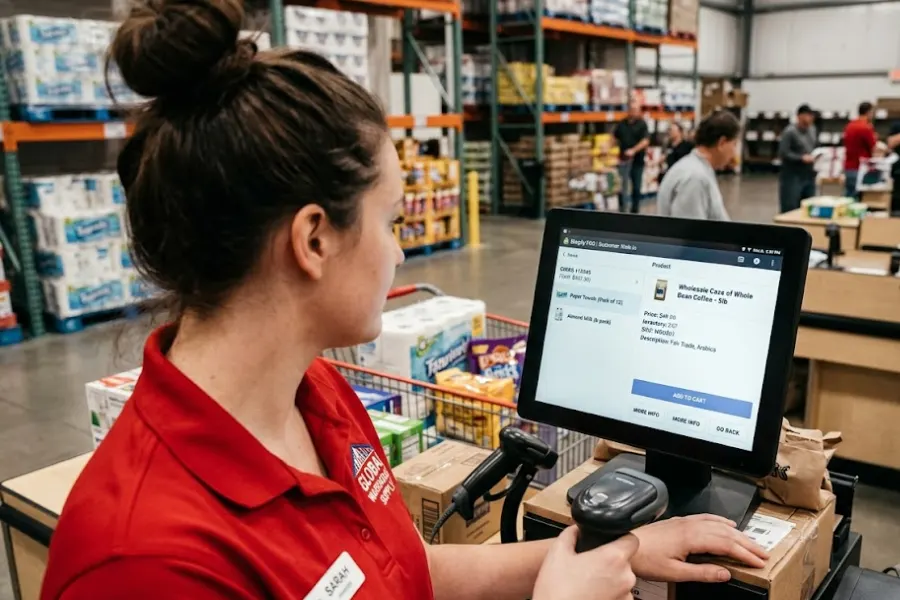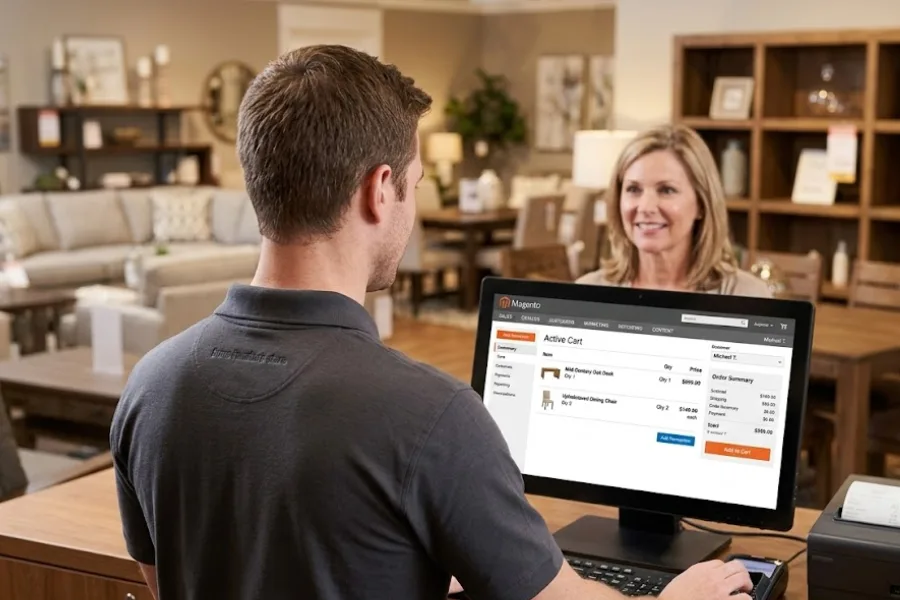
In a retail landscape where customer expectations keep rising, clienteling has become a key strategy. It goes beyond transactions by building personal relationships with individual customers. This article looks at how clienteling uses data, technology, and the human touch to create a personal retail experience that customers remember.
What is clienteling?
Clienteling is how retail and service businesses build strong, personal relationships with individual customers. It starts with understanding each customer’s preferences, behavior, and needs: past purchases, product preferences, sizes, and styles. With that information, a business can tailor its interactions and offers.
It matters because expectations are high. McKinsey found that 71% of consumers expect companies to deliver personalized interactions, and 76% get frustrated when this doesn’t happen.
Clienteling focuses on long-term relationships rather than one-time sales. It involves proactive contact by email, phone, text message, and in person. The goal is more loyalty, higher satisfaction, and more repeat business. Done well, it helps sales associates anticipate needs, recommend relevant products, and offer deals that fit each customer.
Recent technology, such as AI-driven insights, predictive analytics, and omnichannel integration, lets businesses personalize across stores, online, and social media.
Recent innovations in clienteling tools
- AI-powered insights: Machine learning analyzes large amounts of customer data to show preferences and trends, which supports more relevant recommendations.
- Predictive analytics: Tools can anticipate purchasing patterns, so businesses can tailor offers in advance.
- Omnichannel integration: Modern tools work across stores, online platforms, social media, and mobile apps, so the experience stays consistent.
- Virtual try-on and augmented reality: Customers can preview products before buying, online or in store.
- Chatbots and virtual assistants: They give real-time support and recommendations, including outside business hours, for the many customers who prefer to shop online.
- Location-based services: Offers and notifications reach customers’ devices when they are near a store.
- Data protection: Privacy and ethical use of customer data are a bigger focus, which helps build trust.
- Feedback integration: Direct customer feedback helps brands refine their offers.
- Seamless purchasing: Linking clienteling tools with digital payments makes checkout easy online, in store, or on mobile.
Key elements that make clienteling tools effective
- User-friendly interface. Clear navigation and customer data let associates find what they need quickly and talk to customers with confidence.
- Integrated data. A single view of purchase history, preferences, and interactions across touchpoints keeps recommendations consistent whatever channel the customer uses.
- Seamless integration. Customers move between online, in-store, and social media, so tools should connect these experiences.
- Tailored in-store experiences. With personal information at hand, associates can offer recommendations and demonstrations that match each customer.
- Multi-channel engagement. Email, social media, and mobile apps keep the relationship going between visits, with promotions and support through each customer’s preferred channel.
- Adaptability. Customer preferences and technology change, so tools should adapt over time.
How clienteling improves sales
Retail clienteling treats each customer as an individual with distinct preferences. Data analytics gives insight into behavior, purchase history, and preferences, so associates can offer personal recommendations and tailored promotions.
The benefits add up:
- Stronger emotional connection. Customers who feel understood return more often, which raises retention and lifetime value.
- Less switching. Meeting needs proactively gives customers less reason to look at competitors.
- Associates as trusted advisors. Instead of only processing transactions, they build relationships and guide choices.
- A real in-store advantage. In-person interaction allows a level of personalization that online stores find hard to match.
ConnectPOS: Omnichannel clienteling
ConnectPOS is a point-of-sale platform built to connect online and offline interactions, with customer data, inventory, and orders synced across channels.
- Omnichannel experience: Whether customers shop online, in store, or on social media, the journey stays consistent, because data is synchronized in real time for customers and sales associates.
- Customer insights: Retailers see purchase history, preferences, and interactions across channels, so associates can recommend products, anticipate needs, and personalize service. See the CRM POS features.
- Empowered associates: With full customer profiles, associates can move beyond transactions to informed conversations and expert advice.
- Room to adapt: ConnectPOS integrates with eCommerce platforms, ERP, CRM, and payment gateways, so it can fit a growing retail stack.
Pricing:
- Monthly: Standard $49 per register · Advanced $79 · Premium $99
- Annual: Standard $39 · Advanced $69 · Premium $89
Conclusion
Clienteling puts the customer at the center of every interaction. Through tailored recommendations, meaningful conversations, and data-driven insight, it builds loyalty and customer delight. As retail keeps evolving, personal, memorable experiences remain what bring customers back.
Clienteling works best when the tools match how your team already talks to customers. Whether you’re starting with simple customer profiles or building a full omnichannel program, the first step is usually deciding what customer data you need and how your associates will use it on the shop floor. If you’d like help thinking that through for your store, we’re happy to walk you through it.
Chat with our team►►► Optimal solution set for businesses: Shopify POS, Magento POS, BigCommerce POS, WooCommerce POS, NetSuite POS, E-Commerce POS