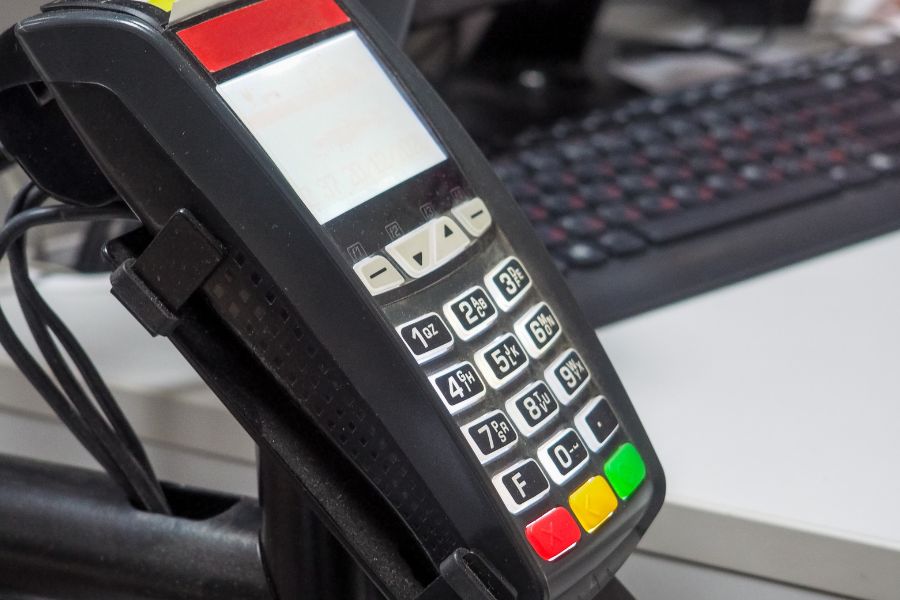
Retailers feel growing pressure to connect store and online channels. Yet disconnected systems still create inconsistent availability, slow service, and inventory issues that spread across locations. This ConnectPOS guide shares a practical way to choose point of sale management software that supports unified commerce. The right POS pulls sales, inventory, customer data, and reporting into one central hub, so teams spend less time reconciling numbers and more time serving customers. We’ll break down the top platforms on the market and the features that matter most for scaling retail operations.
Highlights
- Unified POS system management centers on several capabilities: real-time inventory and catalog sync, omnichannel customer data visibility, loyalty program integration, cloud architecture, and API connectivity across retail platforms.
- ConnectPOS, Shopify POS, Lightspeed Retail, Square for Retail, and Revel Systems are the most popular POS management platforms used by retailers building unified commerce infrastructure
Key Features to Look for in Unified POS System Management
Retail performance data shows clear momentum toward unified commerce models. Research from Adyen reports that retailers implementing unified payment and data infrastructure record revenue growth rates about 9% higher than businesses operating disconnected sales channels. A unified approach connects transaction data, inventory records, and customer activity across stores and eCommerce platforms, allowing retailers to maintain consistent shopping experiences and stronger conversion performance.
Customer behavior research reinforces this shift. A study published by Harvard Business Review found that omnichannel shoppers spend 4% more in physical stores and 10% more online than single-channel customers. These patterns push retailers to synchronize inventory, product catalogs, and customer data across channels, placing point of sale management software at the center of unified retail operations.
- Real-time Inventory & Catalog Sync: Unified POS architecture connects sales activity, stock counts, and catalog updates within one data layer. Inventory adjustments from store sales, online orders, or returns are updated across locations without delay. Product changes such as pricing, new SKUs, or attribute edits are distributed through one administrative interface, keeping physical and digital channels aligned with the same product records.
- Omnichannel Customer Data: Customer interactions from store transactions, online orders, and mobile purchases gather under one profile. Purchase history and engagement data remain accessible to store associates during checkout, while marketing teams analyze the same dataset for segmentation and campaign targeting.
- Loyalty Programs: Integrated loyalty management links reward tracking with transaction processing. Points, membership tiers, and promotions update automatically during checkout across all sales channels. Retailers maintain consistent reward structures while tracking redemption patterns and repeat purchase behavior.
- Cloud-based Architecture: Cloud infrastructure connects store terminals, mobile POS devices, and back-office dashboards to a centralized system. Software updates occur at the platform level, keeping all locations aligned. Retail managers review store performance and transactions remotely through web-based administrative tools.
- API Extensibility: Retail environments often include ERP systems, accounting tools, and eCommerce platforms. Unified POS systems require structured APIs that allow these technologies to exchange product, customer, and transaction data. This architecture supports system expansion without disrupting POS operations.
Top 5 Comprehensive Point of Sale Management Software for Retailers
Point of sale management software acts as the operational backbone of modern retail businesses. These platforms combine hardware and software to process transactions, manage inventory, track sales performance, and store customer data within one system.
Retailers moving toward unified commerce require POS platforms that connect store operations with online channels and centralized data systems. The following solutions stand out for their ability to manage inventory, customer insights, and cross-channel transactions within a single retail management environment.
ConnectPOS
ConnectPOS targets retailers running both physical stores and eCommerce operations. As a point of sale management software, the platform connects store transactions with online storefront data through comprehensive integrations with platforms such as Shopify, Magento, WooCommerce, and BigCommerce. Retail teams manage catalog updates, order activity, and customer data within a unified interface while store associates process transactions through desktop or tablet POS devices.
Features
- Real-time Inventory Synchronization: Inventory levels update across online stores and physical locations after every transaction, which keeps stock records aligned and prevents overselling.
- Multi-store and Warehouse Management: Retail teams track inventory across store locations and warehouses while transferring stock between locations from one dashboard.
- Commerce Integration: Connects retail stores with eCommerce platforms, including Shopify, Magento, WooCommerce, and BigCommerce, so retailers manage orders and products across channels within one system.
- Omnichannel Fulfillment Workflows: Support retail fulfillment models such as buy online, pick up in store, ship-from-store, and cross-channel returns or exchanges.
- Mobile POS Operations: Store associates complete transactions on tablets or mobile devices while assisting customers on the sales floor.
- Flexible Payment Processing: Accepts several payment methods, including cash, credit cards, gift cards, and digital wallets, while also supporting split payments and layaway transactions.
- Customer Profiles and Loyalty Management: Customer databases store purchase history and support reward programs such as points, discounts, and gift cards that apply across online and in-store transactions.
- Custom Promotions and Discounts: Retailers configure promotions such as Buy X Get Y, product-level discounts, or cart-level price adjustments directly from the POS system.
- Multi-currency and Multi-language Support: International retailers process transactions in different currencies while running POS interfaces in several languages.
- Operational Reporting and Analytics: Built-in dashboards and reporting tools track sales performance, product demand patterns, and inventory movement across retail locations
Pricing
- Standard: about $49 per register per month
- Advanced: about $79 per register per month
- Premium: about $99 per register per month
- Enterprise plans available through custom pricing
Shopify POS
Shopify POS connects in-store transactions with the broader Shopify commerce ecosystem. Retailers manage product catalogs, online storefronts, and customer data through the Shopify admin panel while store staff process purchases through mobile POS devices. The system suits retailers that operate both online stores and physical locations since product and order data remain synchronized across channels.
Features
- Unified Product Catalog: Products created in the Shopify admin appear in both the online storefront and the POS checkout interface.
- Customer Profiles: Customer purchase history, contact information, and engagement data remain accessible during in-store transactions.
- Omnichannel Fulfillment: Retailers support workflows such as buy online, pick up in store and ship-from-store fulfillment.
- Staff Permissions: Store managers assign roles and access levels for employees handling transactions or inventory management.
- Mobile POS Operation: Store associates process payments using tablets or smartphones, allowing checkout anywhere inside the store.
- Integrated Reporting: Sales dashboards track store performance, product demand patterns, and customer purchasing trends.
Pricing
- POS Lite is included with standard Shopify plans
- POS Pro about $89 per month per location
- Additional costs depend on the Shopify subscription tier and payment processing rates
Lightspeed Retail
Lightspeed Retail focuses on retailers requiring detailed inventory control and operational reporting across several store locations. The platform runs through a cloud-based POS system management environment that connects product management, sales transactions, and customer records. Retail operators access store performance dashboards and inventory insights through centralized administrative tools.
Features
- Advanced Inventory Tracking: Retail teams manage large product catalogs with variants, SKUs, and supplier information.
- Multi-location Inventory Visibility: Stock movement between warehouses and retail locations appears within one management dashboard.
- Customer Management: Purchase history and customer contact data remain accessible across store locations.
- Integrated Payments: Lightspeed Payments supports card transactions, split payments, and refund management during checkout.
- Retail Reporting Tools: Managers track store performance, product sales trends, and margin insights through detailed analytics dashboards.
- Supplier Management: Purchase orders and supplier records remain connected with inventory management workflows.
Pricing
- Basic plan about $89 per month, billed annually
- Core plan about $149 per month
- Plus plan about $289 per month
- Payment processing rates vary depending on region and provider agreements
Square for Retail
Square for Retail focuses on small and mid-size retailers that need a POS system with integrated payment processing, inventory control, and online selling capabilities. The platform combines checkout tools, product management, and reporting within one cloud-based system. Retailers can process in-store transactions, manage an online storefront, and track inventory using the same software environment.
Features
- Integrated Payment Processing: Square includes built-in payment processing that accepts credit cards, contactless payments, and digital wallets without requiring a separate payment gateway.
- Inventory Management: Retailers track stock levels, create product variants, and manage large catalogs with SKU generation and barcode scanning.
- Cross-channel Sales Tracking: The system records sales activity from physical stores and online storefronts inside one reporting environment.
- Customer Profiles: Customer accounts store purchase history and contact information that store staff can reference during checkout.
- Employee Management: Store managers assign permissions, monitor staff activity, and track employee performance through POS dashboards.
- Hardware Ecosystem: Square provides several POS hardware options, including card readers, tablet stands, handheld devices, and full countertop registers.
- Online Store Integration: Retailers create and manage an eCommerce storefront connected directly with the POS inventory database.
- Multi-location Support: Businesses with several stores track inventory movement and sales activity across locations through one dashboard.
- Product Catalog Management: Retail teams import product catalogs in bulk and automatically generate SKUs when creating new items.
Pricing
- Free plan: $0 monthly subscription with payment processing fees around 2.6% + $0.15 per in-person transaction
- Plus plan: about $49 per month per location with lower processing rates
- Premium plan: custom pricing for high-volume retailers
Revel Systems
Revel Systems provides a point of sale management software built for retailers and hospitality businesses that require deeper operational control. The system runs on iPad-based terminals and connects inventory management, employee management, and customer data within one cloud environment. Businesses often deploy Revel across several locations where centralized reporting and operational visibility are required.
Features
- Centralized Inventory Management: Retail teams track product availability, stock transfers, and supplier records across store locations.
- Employee Scheduling and Management: Store managers assign shifts, track staff performance, and monitor employee activity through POS dashboards.
- Customer Relationship Management Integration: Customer purchase history and contact data integrate with the POS environment for sales and marketing insights.
- Open API Integration: Developers connect Revel with accounting systems, third-party applications, and external business tools.
- Cloud Backup and Data Security: The platform stores transaction records and operational data in secure cloud storage with encrypted data protection.
- Offline Operational Mode: “Always On” functionality keeps the POS system running even when internet connectivity drops.
- Payment Processor Flexibility: Businesses select from several compatible payment processors rather than relying on a single provider.
- Enterprise Reporting Tools: Retail operators analyze revenue trends, product performance, and operational metrics across locations.
Pricing
- Starting price around $99 per month per terminal
- Minimum two terminals and a long-term contract are commonly required
- Additional onboarding or setup services may start around $674, depending on the implementation scope
Best Practices for Businesses to Successfully Move to Unified Commerce
Transitioning to a unified model of point of sale management software requires careful planning. Follow these steps to secure a smooth rollout. A rushed implementation will frustrate your staff and customers.
Audit Your Current Technology Stack
First, evaluate your existing technology stack. Identify bottlenecks in your current point of sale systems software. Document every manual process your staff performs daily. Look for redundant data entry tasks. Understanding your current flaws helps you choose better replacements. Ask your cashiers what features they miss the most.
Clean and Organize Your Data
Bad data ruins a new system implementation. Count your physical stock accurately. Standardize your product naming conventions across all databases. Delete duplicate customer profiles. A clean database guarantees accurate reporting later. Do not migrate old mistakes into a brand new system.
Train Your Employees Thoroughly
Technology only works if people use it correctly. Create clear manuals for daily operations. Appoint a technical lead in every store to help others. Conduct practice sessions before the system goes live. Confident cashiers provide better customer service. They process transactions faster and reduce checkout lines.
Communicate Changes to Customers:
Make sure your customers know about new features. Promote your new loyalty program or click-and-collect options. Clear communication builds excitement and drives sales. Send email newsletters explaining the upgraded shopping experience. Put signs in your physical stores highlighting new payment methods.
Execute a Phased Rollout:
Finally, roll out the system in phases. Do not switch all stores simultaneously. Test the software in one location first. Fix any bugs before expanding to your entire network. This controlled approach minimizes operational risks. Gather feedback from the first store to improve the process.
FAQs: Point of Sale Management Software
1. What is the difference between omnichannel and unified commerce?
Omnichannel connects various sales channels together, but the backend systems often remain separate. Unified commerce puts all channels – online, in-store, and mobile, onto a single platform with one central database.
2. Can I keep my current e-commerce site when switching to a new point of sale management software?
Yes. Systems like ConnectPOS are built to integrate with existing platforms like Magento or Shopify, allowing you to unify your commerce without a total website redesign.
3. Does unified POS system management help with inventory accuracy?
Absolutely. A unified system updates stock levels in real-time. When a “pop-up store” sells an item, that product is instantly removed from your online availability, which helps secure your brand reputation against overselling.
Is unified commerce expensive to implement?
While enterprise solutions like NetSuite require high investment, cloud-based options like ConnectPOS or Shopify POS provide scalable pricing that grows with your revenue.
Conclusion
Moving to point of sale management software for unified commerce is a critical step for modern retailers. The right technology breaks down barriers between online and offline sales. We explored the top options in this point of sale review. Choosing the correct POS system management software dictates your future growth. Evaluate your specific needs carefully. Focus on real-time data and open APIs. Secure your retail future by upgrading your technology today.
Ready to unify your retail channels? Contact us today to see how ConnectPOS can transform your business.
►►► Optimal solution set for businesses: Shopify POS, Magento POS, BigCommerce POS, WooCommerce POS, NetSuite POS, E-Commerce POS