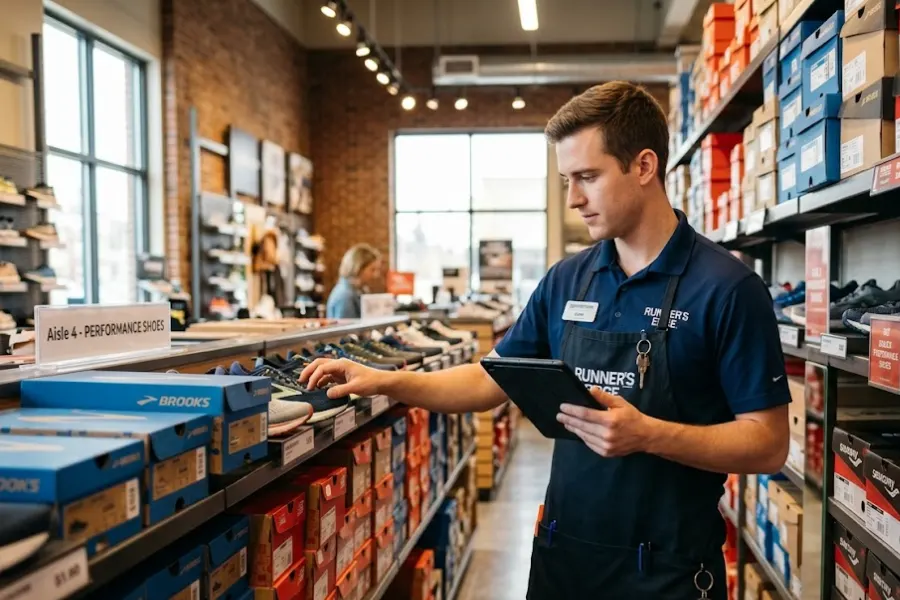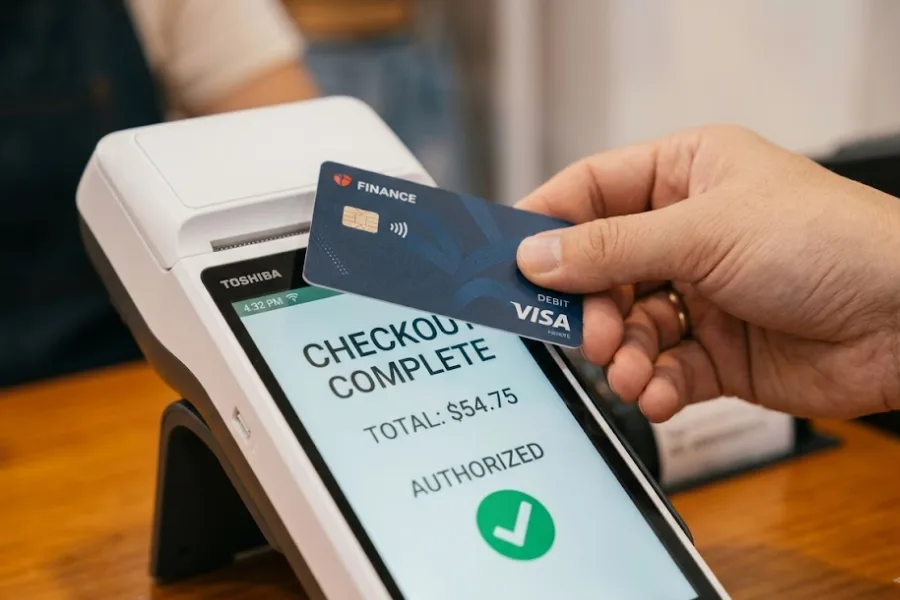
The apparel retail world in 2026 looks very different from just a few years ago. Shoppers move fluidly between online stores, social platforms, and physical locations, and they expect a consistent experience across all channels. For apparel brands, this puts greater pressure on point-of-sale systems to do more than ring up transactions. A modern apparel POS now plays a central role in inventory accuracy, size and color management, customer profiles, and seamless omnichannel selling.
This guide outlines the requirements for an apparel Point of Sale system for 2026, from core features to advanced capabilities. Whether you run a boutique or manage multiple stores, you’ll learn how the right POS can support daily operations, improve customer experience, and scale with your brand’s growth.
Highlights
- Apparel Point of Sale systems 2026 are built to manage complex variants, seasonal collections, high return rates, and fast-moving inventory across sizes, colors, and styles.
- The apparel POS roles in 2026 include real-time stock visibility, multi-location inventory tracking, BOPIS, ship-from-store, and unified online and in-store sales, helping apparel retailers prevent stock issues and meet modern customer expectations.
- To choose the right POS, retailers should evaluate scalability, integrations, total cost of ownership, and future-ready features, including mobile POS, self-service tools, AI-driven insights, and reliable offline operations.
Apparel Point of Sale Explained: Built for Fashion Retail, Not Just Checkout
An apparel point-of-sale system goes beyond basic sales processing. It’s designed to handle the daily realities of selling fashion, where products change fast, options multiply, and customer expectations keep rising. Before choosing a system, it helps to understand what truly sets apparel POS apart from general retail tools.
Apparel POS vs. general retail POS
A general retail POS focuses on simple product catalogs and transactions. An apparel POS is designed to manage complex product structures, including variations in size, color, style, and fit within a single item. It also supports matrix inventory, barcode labeling, and faster item lookup during busy store hours.
Apparel retailers need specialized POS features
Fashion retailers face short product lifecycles and frequent product cycles. An apparel POS supports:
- Real-time inventory tracking by variant
- Seasonal product planning and markdowns
- Flexible pricing and promotions
- Omnichannel selling across stores and online
- Customer profiles with purchase history and preferences
Common challenges in apparel retail
Apparel businesses face constant pressure from stock imbalances, high return rates, and shifting demand. Managing exchanges, refunds, and returns across channels can quickly become messy without the right system. When you factor in forecasting seasonal demand and preventing overstock, it’s clear why apparel retailers need a POS built specifically for their industry, not a one-size-fits-all solution.
Must-Have POS Features for Apparel Retailers in 2026 and Beyond
In 2026, an apparel point of sale system must keep pace with rapid product cycles, connected shopping journeys, and rising expectations for convenience. The right features help retailers stay in control of inventory, speed up service, and deliver a smoother customer experience across every channel.
Key POS features apparel retailers should look for include:
- Variant and matrix inventory management: Track products by size, color, style, and fit under one parent item. Matrix inventory helps prevent overselling, simplifies replenishment, and enables staff to locate the right variant in seconds.
- Real-time stock visibility and alerts: Live inventory updates across stores, warehouses, and online channels reduce stockouts and overstock. Low-stock alerts and automated reorder rules help teams act before popular items run out.
- Fast checkout and flexible payments: Support barcode scanning, saved carts, mobile POS, and split payments to keep lines moving. Flexible payment options, such as digital wallets, gift cards, and buy-now-pay-later, improve conversion rates and customer satisfaction.
- Returns, exchanges, and store credit handling: Apparel returns are unavoidable. A modern POS simplifies exchanges across sizes or colors, processes refunds quickly, and issues store credit without friction—online or in-store.
- Omnichannel selling tools: Enable buy online, pick up in store, ship from store, and endless aisle selling when items aren’t available on-site.
- Customer and staff insights: Capture purchase history, preferences, and loyalty activity while giving managers access to sales trends, sell-through rates, and staff performance metrics.
Smarter Inventory Management for Omnichannel Apparel Retail
Inventory is one of the biggest challenges for apparel retailers, especially when sales occur across stores, websites, and fulfillment centers simultaneously. An effective apparel Point of Sale system ties everything together, giving teams clear visibility and better control over fast-moving, variant-heavy inventory.
A modern omnichannel inventory setup supports apparel retailers in several key ways:
- Handling high SKU counts and seasonal collections – Apparel inventory grows quickly with new drops, sizes, and colors. POS systems built for fashion help organize collections by season, category, and lifecycle, making it easier to launch, discount, or retire products on time.
- Multi-store and warehouse inventory tracking
Real-time stock visibility across all locations allows retailers to move inventory where it’s needed most. Store transfers, centralized stock views, and location-based availability reduce lost sales. - RFID and barcode support
Barcode scanning accelerates receiving and checkout, while RFID enables faster stock counts, greater accuracy, and easier loss prevention—especially valuable for large assortments. - Preventing overstocking and stockouts
Automated low-stock alerts, demand forecasting, and sales trend insights help teams reorder smarter and avoid tying up cash in slow-moving items. - Unified online and in-store sales
Inventory updates instantly, no matter where a sale happens, keeping counts accurate across physical and digital channels. - Flexible fulfillment options
Support for buy online, pick up in store (BOPIS), ship-from-store, and endless aisle selling lets retailers fulfill orders from the best location. - Consistent pricing and promotions
Centralized rules ensure prices, discounts, and promotions stay aligned across channels, protecting margins and brand trust.
Choosing an Apparel POS That’s Ready for 2026 and Long-Term Growth
Selecting the right apparel Point of Sale system in 2026 is no longer just a technical decision. It’s a strategic investment that affects how smoothly your stores run, how well inventory is controlled, and how consistently customers experience your brand across channels. Understanding current trends and knowing what to evaluate can help apparel retailers choose a system that supports both today’s needs and future expansion.
Apparel POS Trends Shaping Retail in 2026
Apparel POS technology continues to evolve alongside changing shopper behavior and operational demands. Key trends to watch include:
- Cloud-based and mobile POS adoption – Cloud systems allow real-time data access across locations, while mobile POS lets staff assist customers anywhere on the sales floor, reduce lines, and complete transactions on tablets or smartphones.
- Self-service kiosks and in-store tablets – Shoppers increasingly expect autonomy. Self-service tools enable price checks, size-availability lookups, and checkout, improving speed while freeing staff to focus on higher-value interactions.
- AI-driven demand forecasting and personalization – Advanced analytics help retailers predict demand by size, color, and location. POS data also supports personalized promotions, smarter recommendations, and targeted loyalty offers.
- Sustainability-focused inventory planning – Data-driven decisions reduce overproduction and waste. Better sell-through insights and lifecycle tracking support more responsible buying and markdown strategies.
- Offline-first reliability – POS systems that continue operating during internet disruptions protect sales and customer trust, especially in busy retail environments.
How to Choose the Right Apparel Point of Sale System?
With these trends in mind, retailers should evaluate POS options through a practical, long-term lens:
- Scalability for growing brands – Choose a system that can handle increasing SKUs, more stores, higher transaction volumes, and new sales channels without performance issues or costly rebuilds.
- Integration with core business tools – Seamless connections with eCommerce platforms, ERP systems, accounting software, and payment providers reduce manual work and keep data consistent across teams.
- Flexible pricing and total cost of ownership – Look beyond monthly fees. Consider hardware costs, add-on modules, transaction fees, and future expansion expenses to understand the true long-term investment.
- Implementation and onboarding timeline – A smooth rollout matters. Evaluate how long setup takes, how data migration is handled, and whether the vendor provides training, documentation, and go-live support.
- Ongoing vendor support and updates – Retail never stands still. Reliable support, regular feature updates, and a clear product roadmap ensure your POS evolves alongside your business.
By aligning POS capabilities with both industry trends and operational goals, apparel retailers can build a system that stays relevant well beyond 2026.
Why ConnectPOS Stands Out as a Powerful Apparel POS in 2026
For apparel retailers managing complex inventory, multiple sales channels, and fast-changing collections, ConnectPOS offers a modern apparel POS ecosystem designed to meet these industry demands at scale. It goes beyond basic checkout to support real-world fashion retail operations with flexibility and reliability.
Key reasons ConnectPOS is a strong fit for apparel brands include:
- Built for complex apparel inventories: ConnectPOS is a next-generation cloud POS designed to manage matrix inventory with size, color, style, and SKU-level accuracy. This makes it easier to control large assortments and reduce inventory errors.
- Real-time omnichannel inventory with MSI: Multi-source inventory (MSI) provides real-time visibility into stock across stores, warehouses, and online channels. Apparel retailers can fulfill orders from the best location while avoiding overselling and stock imbalances.
- API-first, headless architecture: The platform’s API-first design allows deep customization without disrupting core operations. Brands can tailor workflows, integrations, and customer experiences to match their unique business models.
- Offline-first reliability with seamless sync
Stores can continue selling during network disruptions, with data automatically syncing once the connection is restored, which is critical for busy retail environments. - Wide ecosystem integrations: ConnectPOS integrates seamlessly with platforms including Shopify, Magento, BigCommerce, WooCommerce, NetSuite, and other retail systems, ensuring data consistency across the business.
- Scalable for any growth stage: Whether running a single boutique or managing hundreds of locations, ConnectPOS supports expansion with centralized control, performance stability, and enterprise-ready architecture.
Together, these capabilities make ConnectPOS a future-ready apparel POS solution built for growth, customization, and omnichannel success.
FAQs: Apparel Point of Sale
1. What makes a POS system suitable for apparel retail?
A POS system is suitable for apparel retail when it can manage complex product variants, fast-changing collections, and high transaction volumes. Key capabilities include matrix inventory for sizes and colors, real-time stock tracking, flexible returns and exchanges, and support for promotions and seasonal pricing. Omnichannel features and reliable offline operation are also important for day-to-day store performance.
2. Can an apparel POS handle size and color variants easily?
Yes, a dedicated apparel POS is designed to handle size, color, and style variants under a single product. This matrix structure enables staff to quickly identify available options, accurately track inventory at the variant level, and avoid overselling during busy periods.
3. Is an omnichannel POS necessary for apparel stores in 2026?
For most apparel retailers, yes. Customers expect to browse, buy, return, and exchange items across online and physical channels. An omnichannel POS keeps inventory, pricing, and customer data consistent, enabling services like buy online, pick up in store, and ship-from-store.
4. How much does an apparel Point of Sale system typically cost?
Costs vary depending on business size and features. Small retailers may pay a monthly subscription fee, while multi-store brands often invest more in advanced inventory, integrations, and reporting. Hardware, integrations, and support can also affect the total cost.
5. How long does it take to implement an apparel POS?
Implementation can take anywhere from a few weeks to a few months. Timelines depend on data migration, the number of locations, integrations, and staff training. Cloud-based systems typically allow faster rollout with minimal disruption.
In Conclusion
Apparel retail in 2026 demands more from point-of-sale systems than ever before. With complex product variants, rapid seasonal cycles, and customers shopping across multiple channels, the right apparel Point of Sale system is the foundation of daily operations and long-term growth. A modern solution helps retailers maintain accurate inventory, deliver a smooth checkout and returns experience, and create a consistent experience online and in-store. More importantly, it provides the flexibility to adapt as trends, technologies, and customer expectations continue to change.
If you’re planning to upgrade or rethink your apparel POS strategy, now is the time to choose a platform built for omnichannel retail and scalability. Contact ConnectPOS today to see how a next-generation apparel POS can support your brand’s growth and help you stay competitive in 2026 and beyond.