Queues move more slowly than customers expect. Inventory counts don’t match what’s on the shelf. Promotions feel random. That’s where Artificial Intelligence Point of Sale steps in, turning a basic checkout into an intelligent retail engine powered by real-time analytics and predictive insights. In this article of ConnectPOS, we’ll show you what this technology really is and how it’s reshaping modern in-store experiences.
Highlights
- Artificial Intelligence Point of Sale systems turn transaction data into real-time personalization, predictive inventory control, and smarter in-store decision-making.
- AI-driven checkout technology connects pricing, promotions, and customer profiles across channels to deliver consistent omnichannel experiences.
- Retailers adopting intelligent POS platforms gain operational visibility, automated workflows, and stronger transaction security inside physical stores.
What Is an Artificial Intelligence Point of Sale System?
An Artificial Intelligence Point of Sale system is a checkout platform enhanced with machine learning, predictive analytics, and automated decision logic. It does more than process payments. It analyzes transactions, customer behavior, and inventory patterns as they happen.
A traditional POS records sales and updates stock. An AI-powered POS system learns from those sales. It identifies trends, predicts demand, and suggests actions based on real data rather than guesswork.
Machine learning POS software relies on real-time data processing. It tracks buying frequency, basket size, seasonal demand, and product combinations. Predictive analytics turns that information into forecasts. Automation applies rules instantly at checkout, from dynamic pricing to personalized rewards.
Artificial intelligence embedded in your checkout also connects insights across channels. It links in-store transactions with online activity to generate relevant recommendations. When a shopper returns, the system recognizes patterns and tailors offers accordingly.
Retailers now face tighter margins and higher customer expectations. For that reason, an intelligent point of sale platform is becoming a practical requirement. It supports faster decisions, clearer inventory visibility, and more consistent experiences at every counter.
The Expanding Role of Artificial Intelligence Point of Sale in Modern Retail
Retail used to revolve around transactions. Scan, pay, print receipt. That model no longer holds up. Stores now operate as data hubs, and the AI-powered POS system sits at the center of that shift.
- From Transaction Tool to Retail Brain: Basic POS systems handled payments. An AI-driven retail checkout system analyzes patterns, predicts behavior, and responds in real time. It turns sales activity into intelligence that guides daily operations.
- Rising Expectations for Personalization and Speed: Shoppers expect quick checkout and relevant suggestions. A smart POS solution connects past purchases with current behavior. It can recommend complementary products or trigger targeted discounts without slowing the line. McKinsey found that 71% of consumers expect personalized interactions, and 76% get frustrated when it does not happen, so the checkout moment is a key time to get it right.
- POS Data as a Strategic Asset: Every transaction generates data. When powered by AI capabilities within your POS, that data reveals demand cycles, peak hours, and pricing sensitivity. Retailers move from reacting to anticipating.
- In-Store Experience Drives Loyalty: Customers return to stores that feel smooth and personalized. An intelligent point of sale platform supports tailored loyalty rewards, accurate stock visibility, and consistent service across locations. That consistency builds trust.
- Infrastructure Prepared for Growth: Advanced retail POS technology connects with inventory management systems, CRM tools, and online channels. This integration allows unified reporting and scalable expansion across stores.
The checkout counter works as a command center for your store. It processes payments, tracks inventory, captures customer data, and updates reports in real time. When AI powers your POS system, every transaction sharpens your retail decisions and helps you react faster to what is happening on the sales floor.
How Artificial Intelligence Point of Sale Systems Are Reshaping In-Store Experiences
Walk into a modern store, and you’ll notice something subtle. The checkout feels quicker. Staff seems informed. Promotions appear relevant instead of random. Behind that shift sits Artificial Intelligence Point of Sale, quietly turning raw transaction data into decisions that shape every in-store interaction.
Real-Time Personalization at the Counter
Personalization used to belong to e-commerce. Now it lives at the counter.
AI capabilities within your POS analyze purchase history and behavioral signals in seconds. When a customer places an item on the counter, the system evaluates past orders, frequency, and product pairings. That data fuels relevant recommendations instead of generic upsells.
Cross-selling logic becomes smarter. If a shopper often buys skincare every six weeks, the AI-powered POS system can flag related products at the right moment. The suggestion feels natural because it reflects actual behavior.
Loyalty rewards also respond instantly. Points update in real time. Targeted discounts trigger based on basket value or purchase patterns. Context-based promotions appear during checkout without delaying payment.
All this happens in parallel with transaction processing. The platform keeps engagement high while maintaining speed. That balance defines modern retail service.
Frictionless and Intelligent Checkout Experiences
Speed still matters. But speed alone isn’t enough.
An AI-driven retail checkout system uses item recognition and predictive validation to accelerate scanning. The technology identifies anomalies before payment completes, which limits errors and prevents delays.
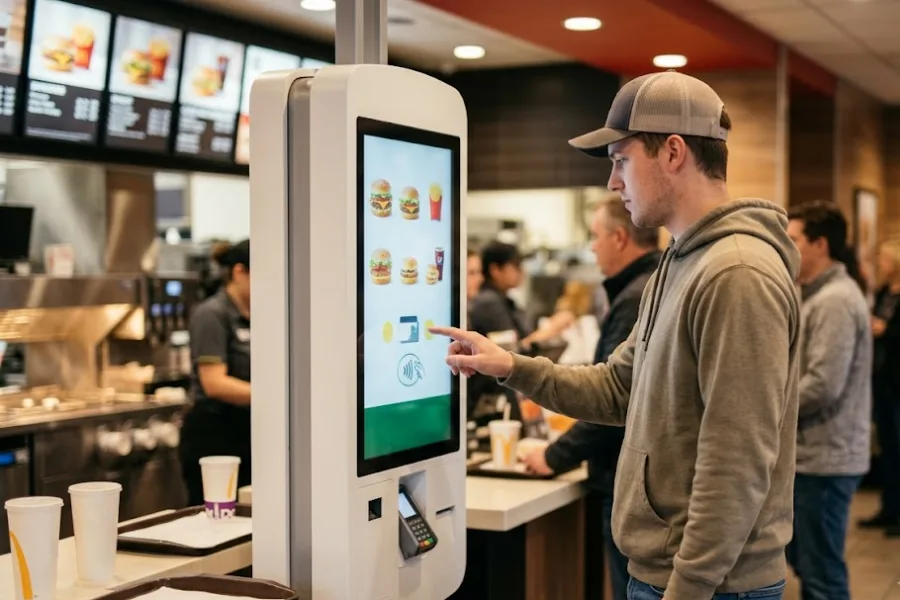
Self-checkout terminals gain intelligence as well. They adapt prompts based on basket size or payment method. Mobile POS devices allow staff to complete transactions anywhere on the floor, easing congestion during peak hours.
Voice-assisted prompts guide customers through steps when needed. Split payments and contactless options process smoothly. Even during network interruptions, the system continues in offline mode and syncs later.
Queues shrink. Service feels controlled rather than rushed. The experience supports efficiency without sacrificing accuracy.
Smarter Inventory Visibility Inside the Store
Inventory gaps cost revenue. Overstock ties up capital. AI reduces that guesswork.
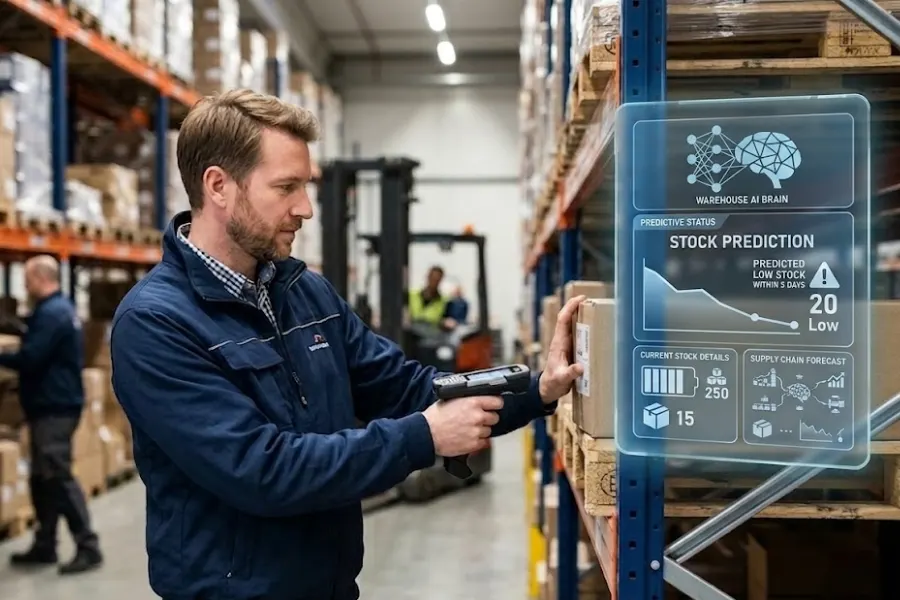
Machine learning POS software analyzes daily sales patterns and seasonal shifts. It forecasts demand using historical data combined with real-time movement. Managers receive alerts before shelves run empty. TechCrunch cited a 2020 IHL study estimating that overstocks, out-of-stocks, and returns cost retailers $1.75 trillion globally in inventory losses, which shows why better inventory signals are important.
Automatic restock notifications activate when thresholds approach critical levels. Instead of reacting after stockouts occur, staff act early. The system also identifies slow-moving items that need pricing adjustments or repositioning.
Endless aisle options extend inventory beyond physical shelves. If an item isn’t available in one location, the platform checks other stores instantly. Customers can place orders on the spot.
Multi-location tracking becomes centralized. Data flows into unified dashboards, giving clear visibility across stores. Inventory decisions shift from reactive corrections to planned adjustments driven by predictive analytics.
This level of coordination turns the intelligent point of sale platform into more than a checkout tool. It becomes a real-time operations hub, shaping not just transactions but overall store performance.
Dynamic Pricing and In-Store Promotion Optimization
Pricing used to change in weekly cycles. Now it adjusts in real time.
An AI-powered POS system reads demand signals as they happen. If a product moves faster than forecasted, the platform can suggest a price revision. If interest drops, it can trigger targeted discounts to maintain sales momentum. Walmart said it plans to replace paper shelf labels with digital price screens in 2,300 U.S. stores by 2026, letting staff update prices on over 120,000 items in minutes instead of about two days. This shows how fast in-store pricing can now move.
Promotional timing becomes smarter. The AI-driven retail checkout system analyzes basket patterns and purchase frequency to activate offers only when they are likely to convert. Personalized discounts apply automatically at checkout, without manual overrides.
Competitive pricing logic also integrates directly into the smart POS solution. Online and offline pricing stay aligned, preventing confusion across channels. Promotions feel intentional rather than reactive, strengthening revenue control and customer trust.
Unified Commerce Through Artificial Intelligence Point of Sale
Customers no longer think in channels. They expect continuity.
Artificial intelligence embedded in your checkout creates unified customer profiles across online and in-store activity. Purchase history, preferences, and loyalty points remain consistent, regardless of where the transaction occurs.
Inventory, pricing, and promotions synchronize in real time. Buy online, pick up in store becomes a natural extension of the sales floor. If stock is unavailable in one location, the platform checks other stores instantly.
Centralized analytics guide omnichannel decisions. ConnectPOS, for instance, maintains two-way data synchronization across systems, linking POS data with eCommerce and back-end tools. That integration turns advanced retail POS technology into a single source of truth.
Unified commerce stops being an ambition. It becomes a daily practice.
Operational Intelligence Powered by Artificial Intelligence Point of Sale
Behind every checkout sits a series of operational tasks. Reporting. Reconciliation. Scheduling. AI reduces manual workload across those layers.
End-of-day summaries are generated automatically. The intelligent point of sale platform flags discrepancies and highlights unusual patterns. Managers spend less time compiling numbers and more time interpreting them.
Predictive performance analytics guide workforce planning. If sales trends indicate peak hours, the system recommends staffing adjustments in advance. Data entry errors decline as automation handles repetitive updates.
Scalability also improves. Multi-location growth feels structured rather than chaotic. The technology supports expansion without fragmenting reporting or control.
Loss Prevention and Transaction Security
Retail shrinkage rarely announces itself. It hides in small anomalies.
Machine learning POS software monitors transaction behavior in real time. Unusual refund patterns or suspicious price overrides trigger alerts instantly. Staff permissions remain role-based, limiting unauthorized access. The NRF reported an average shrink rate of 1.6% in FY 2022, equal to $112.1 billion in losses. It found that theft accounts for about 65% of shrinkage. This is why real-time alerts matter.
Payment security stays embedded in the platform’s architecture. Compliance standards apply consistently across locations. Monitoring tools detect irregularities before they escalate.
Customers may never notice these safeguards. Yet they experience the result: trust. An AI-enhanced checkout protects revenue while maintaining smooth service at the counter.
Challenges Retailers Must Address When Adopting Artificial Intelligence Point of Sale
Excitement around intelligent checkout systems is understandable. Yet implementation requires preparation. This system depends on clean data, stable infrastructure, and team readiness. Without those foundations, even the most promising AI-powered POS system can fall short.
- Data Accuracy and Integration Readiness: Predictive analytics only works when sales, inventory, and customer data are reliable. Inconsistent SKU records or disconnected systems limit performance. Retailers must align databases before deploying machine learning POS software.
- Legacy Infrastructure Constraints: Older hardware and isolated POS environments often lack compatibility with AI-driven retail checkout systems. Integration gaps slow down synchronization and restrict real-time processing.
- Staff Training and Adoption Barriers: Intelligent platforms introduce new workflows. Teams need clarity on automated promotions, analytics dashboards, and alert systems. Adoption improves when staff understand how the technology supports daily tasks.
- Privacy and Compliance Requirements: Customer behavior tracking and transaction monitoring require strong data governance. Retailers must confirm that the intelligent point of sale platform aligns with regional payment and privacy regulations.
- Scalable Architecture Decisions: Growth demands flexibility. Cloud-based and integration-ready infrastructure supports expansion across locations without fragmenting data.
Preparation determines success. Retailers that address these challenges early create stable ground for long-term gains from advanced retail POS technology.
Preparing Your Store for the Future of Artificial Intelligence Point of Sale
Technology shifts quickly. Planning must move just as fast. A structured approach helps retailers transition smoothly into AI-enhanced retail operations.
- Assess Current POS Capabilities: Review hardware, data flow, and reporting limitations. Identify gaps between your existing setup and the requirements of an intelligent point of sale platform.
- Adopt Cloud-Based and Omnichannel-Ready Systems: Cloud architecture supports real-time synchronization across online and in-store channels. This structure strengthens data consistency and supports unified commerce strategies.
- Integrate CRM, Inventory, and Report & Analytics Tools: Artificial intelligence embedded in your checkout performs best when connected to customer profiles and stock data. Centralized insights improve forecasting and promotional timing.
- Align AI Tools with Growth Objectives: Predictive analytics should support revenue goals, expansion plans, and operational targets. Retailers benefit when the smart POS solution aligns directly with business strategy.
- Choose an AI-Ready Omnichannel Platform: ConnectPOS, for example, supports real-time data synchronization, centralized customer profiles, and automated workflows. This infrastructure prepares retailers for scalable AI deployment.
A thoughtful roadmap transforms innovation into execution. When systems, data, and teams align, intelligent point of sale platforms become a practical engine for long-term retail performance.
ConnectPOS: the Ideal Artificial Intelligence Point of Sale for Modern Retailers
Before any discussion about AI capabilities, retailers need a POS system that works reliably every single day. Strong synchronization, accurate inventory, and stable reporting remain the foundation. ConnectPOS focuses on delivering these core capabilities first, creating a dependable omnichannel structure for growing retailers.
Below are the key features currently available and widely used by retail businesses:
- Real-Time Two-Way Synchronization: Inventory, pricing, orders, and customer data sync instantly between online and offline channels. This keeps stock counts accurate and prevents mismatched pricing across stores.
- Unified Inventory Management: Retailers can track stock levels across multiple stores and warehouses in real time. Each transaction updates inventory automatically, helping prevent overselling and unexpected stockouts.
- Advanced Reporting and Analytics: Sales dashboards and detailed reports provide clear visibility into revenue, product performance, and staff productivity. Managers can make informed decisions based on actual store data.
- Centralized Customer Profiles: Purchase history, loyalty points, and customer information remain consistent across channels. Staff can access full profiles at checkout to deliver more personalized service.
- Mobile and Self-Service POS: ConnectPOS operates smoothly on tablets, desktops, and kiosks. Flexible device compatibility allows retailers to adjust store layouts and shorten checkout queues.
- Workflow Automation: Inventory updates, order routing, discount rules, and customer segmentation processes run automatically. Teams spend less time on repetitive tasks and more time supporting customers.
- Omnichannel Fulfillment Support: Retailers can manage buy online, pick up in store, ship-from-store, and cross-store fulfillment using synchronized stock data through order fulfillment.
- Flexible Payments and Secure Transactions: The system supports various payment methods, including contactless and split payments, while maintaining strong transaction security.
- Integration-Ready Architecture: ConnectPOS connects easily with ERP systems, CRM platforms, payment gateways, and other retail tools, helping businesses maintain a connected ecosystem.
These features are already proven and highly effective for retailers managing both physical and online stores. They support daily operations, maintain data accuracy, and improve store visibility.
AI capabilities are currently in development and will be introduced shortly. Retailers using ConnectPOS today already benefit from a solid omnichannel platform, and upcoming AI enhancements will build directly on this stable foundation.
FAQs: Artificial Intelligence Point of Sale System
1. What is an Artificial Intelligence Point of Sale system?
An Artificial Intelligence Point of Sale system is a POS platform enhanced with AI technologies such as machine learning and predictive analytics. Instead of only processing payments, it analyzes sales data, customer behavior, and inventory patterns in real time. This allows retailers to automate decisions, personalize offers, and improve operational efficiency directly at checkout.
2. How is an Artificial Intelligence Point of Sale different from a traditional POS?
A traditional POS records transactions and updates inventory. An AI-powered POS system goes further by learning from data. It can recommend products, forecast demand, adjust pricing strategies, and detect unusual transaction patterns automatically. The difference lies in intelligence and automation, not just functionality.
3. Can an intelligent point of sale platform improve customer experience?
Yes. AI-powered POS systems can generate personalized product recommendations, apply targeted discounts, and streamline checkout processes. Faster transactions and tailored offers create smoother, more engaging in-store experiences. Many retailers use AI insights to strengthen loyalty programs and encourage repeat purchases.
4. Does an AI-driven retail checkout system help with inventory management?
Absolutely. AI analyzes historical sales trends, seasonal patterns, and real-time data to predict future demand. This reduces stockouts and overstocking. Automated replenishment alerts and smarter forecasting improve stock accuracy and overall profitability.
5. Is implementing an AI-powered POS system expensive or complex?
Costs vary depending on system size and integration needs. Cloud-based platforms often lower infrastructure expenses and allow gradual upgrades. While setup may require staff training and data preparation, many retailers see long-term gains through improved efficiency, reduced errors, and increased sales performance.
Final Thoughts
Retail no longer revolves around ringing up sales. It revolves around data, timing, and experience. Artificial Intelligence Point of Sale turns everyday transactions into predictive insights, personalized checkout moments, and smarter operational control. When your POS system can forecast demand, trigger targeted promotions, and synchronize inventory across channels, decisions stop relying on instinct alone. They rely on real-time intelligence. That shift drives stronger loyalty, clearer visibility, and steadier growth. If you’re ready to build a smarter in-store strategy with AI capabilities embedded in your checkout, we’re here to help. Explore how ConnectPOS can support your next phase of growth, and contact us to start the conversation.
►►► Optimal solution set for businesses: Shopify POS, Magento POS, BigCommerce POS, WooCommerce POS, NetSuite POS, E-Commerce POS