Retail distribution shapes how products reach customers, how fast shelves get replenished, and how consistent pricing stays across channels. If your distribution model doesn’t match your product type and customer expectations, you’ll see it in stockouts, excess inventory, and channel conflicts. In this guide, we’ll break down three proven retail distribution strategies – intensive, selective, and exclusive, then walk through the decision factors that matter when you’re choosing one.
What is a retail distribution strategy?
A retail distribution strategy is the plan a brand uses to move products from production to the end customer. Depending on the setup, goods may flow through wholesalers, agents, marketplaces, retailers, brand-owned stores, or direct-to-consumer (DTC) channels.
A strong retail distribution plan usually balances three operational levers:
- Customer service expectations (availability, speed, returns)
- Inventory management (stock visibility, replenishment, allocation)
- Transportation and fulfillment (cost, lead time, coverage)
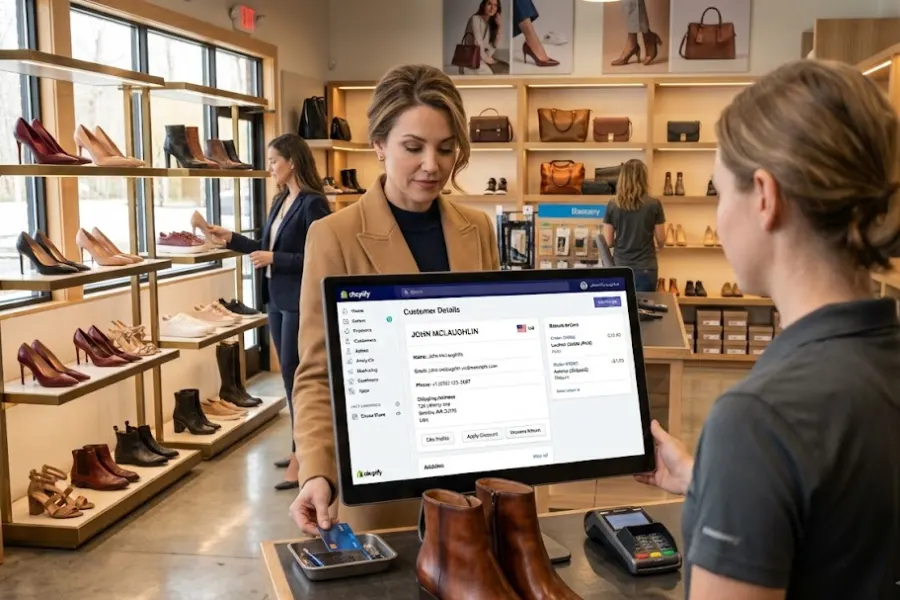
One more reality to account for: distribution is now tied closely to commerce operations. If you sell in-store and online, your strategy needs shared data around stock, orders, promotions, and customer activity.
Best retail distribution strategies
1. Intensive distribution strategy
Definition
Intensive distribution places products in as many outlets as possible to capture broad demand. You’ll see it with convenience goods, where the buyer often grabs what’s available.
Example: instant noodles, bottled drinks, basic personal care items – sold across supermarkets, convenience stores, gas stations, and vending channels.
Intensive distribution advantages
- Wider visibility across daily shopping routes: repeated exposure builds familiarity.
- Higher chance of impulse purchases: customers choose what’s on-hand, especially for low-friction items.
- More sales touchpoints: revenue can come from many retailers and store formats.
Watch-outs
- Pricing consistency can slip: the wider the network, the harder it becomes to keep promotions aligned.
- Data fragmentation risk: if each channel reports differently, forecasting becomes guesswork.
- Returns and exchanges become messy: customers buy anywhere and expect service anywhere.
Selective distribution strategy
Definition
Selective distribution sits in the middle. Brands distribute through a curated set of outlets rather than going fully wide. This works well when brand presentation matters and partners need training or merchandising standards.
Example: a premium apparel brand sells through brand stores and selected department stores, but skips discount-heavy channels that could dilute brand positioning.
Selective distribution advantages
- Good market coverage with fewer partners to manage: you gain reach while keeping standards.
- Better channel control and communication: easier coordination around pricing, merchandising, and staff training.
- Stronger customer experience consistency: selected partners are more likely to follow service and product guidelines.
Watch-outs
- Partner conflict can still happen: distributors may compete on pricing if rules aren’t clear.
- You still need clean inventory signals: selective doesn’t mean simple if you run multi-location retail and eCommerce.
Exclusive distribution strategy
Definition
Exclusive distribution grants one distributor or one retailer the right to sell in a defined territory or channel. This model supports prestige positioning and controlled customer experience.
Example: luxury vehicles or high-end watches often sell through limited dealership networks.
Exclusive distribution advantages
- Sharper brand control: tighter control over pricing, presentation, and service.
- Focused partner execution: fewer relationships to manage day-to-day.
- Local market strength: a strong exclusive partner can bring regional knowledge and established relationships.
Watch-outs
- Dependency risk is real: one failing partner can stall an entire market.
- Negotiation power shifts: exclusivity can give the partner leverage on terms and margin.
What to consider when choosing your distribution strategy?
Item type
At its core, there are 3 types of purchase decisions: routine, limited, and extensive.
Customer buying behavior shapes channel needs.
- High-consideration purchases (high price, high trust needs): exclusive distribution often matches the service expectations and premium framing.
- Routine purchases (low price, low consideration): intensive distribution fits because availability drives sales.
- Limited consideration purchases (mid-price, comparison behavior): selective or intensive can work, depending on brand positioning.
Costs and losses
As mentioned above, each retail distribution strategy has its own advantages coming along with its requirements and costs.
- Intensive distribution: broad coverage can raise trade spend, slotting fees, and operational overhead.
- Selective distribution: fewer partners, but disputes and inconsistent execution can create margin leaks.
- Exclusive distribution: one major dispute can mean losing the market until you rebuild distribution.
Channel operations: inventory, pricing, and returns
Distribution today is tied to operational consistency.
- Inventory accuracy: poor stock visibility creates overselling, missed replenishment, and dead stock.
- Promotion compliance: misaligned discounts erode margin and brand trust.
- Returns and exchanges: omnichannel customers expect flexible policies that work across touchpoints.
Common mistakes retailers make (worth fixing early)
- Picking channels based on reach only, then fighting pricing wars later
- Running different SKUs or naming conventions across channels, making reporting unreliable
- Lacking store-level inventory accuracy, then blaming “demand” for stockouts
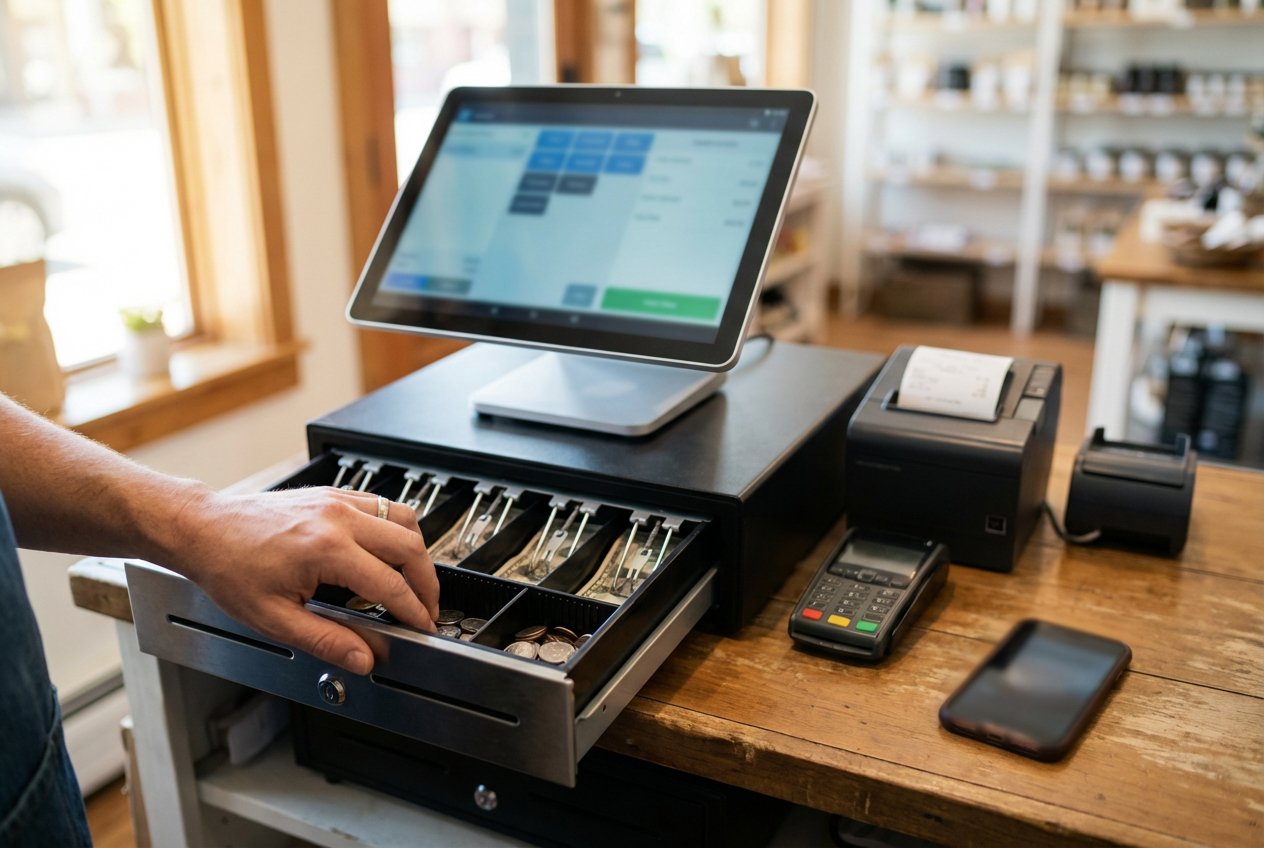
- Treating distribution as separate from POS and inventory systems
Where ConnectPOS fits in retail distribution execution
Retail distribution runs smoother when sales, inventory, and customer data stay consistent across every channel. ConnectPOS fits into that workflow as a cloud-based omnichannel POS that connects store operations with eCommerce and fulfillment, so teams can act on one set of numbers instead of piecing reports together.
- Real-time inventory visibility: Track stock across stores and warehouses with live updates, so replenishment and transfers rely on current data, not yesterday’s counts.
- Multi-source inventory (MSI): Manage inventory across multiple fulfillment points, which supports ship-from-store, pickup, and smarter allocation.
- Omnichannel selling and unified cart: Keep pricing, promotions, and customer context consistent across in-store and online touchpoints.
- Matrix inventory for variants: Manage size/color variants cleanly, which matters for fashion-heavy assortments and complex catalogs.
- Order and fulfillment workflows: Support key fulfillment methods like BOPIS and ship-from-store, reducing missed sales when a location runs out of stock.
- Reporting and analytics: Review performance by product, location, and time period to spot fast movers, slow movers, and distribution gaps early.
- Offline mode with instant sync: Keep selling during connectivity issues and sync transactions automatically once the network returns.
- API-first integrations: Connect with platforms and systems such as Shopify, Magento, BigCommerce, WooCommerce, NetSuite, and other business tools, so distribution data doesn’t get trapped in silos.
In a nutshell
Retail distribution typically falls into three models: intensive (wide availability), selective (curated partners), and exclusive (tight control with limited outlets). The right choice depends on product type, brand positioning, channel risk, and your ability to maintain accurate inventory and consistent pricing across every selling point.
Retail distribution also gets easier to run when your POS and inventory data stay aligned across channels. If you want to tighten inventory visibility and keep sales data consistent across stores and online channels, contact ConnectPOS to discuss your current setup and the best path forward.
►►► Optimal solution set for businesses: Shopify POS, Magento POS, BigCommerce POS, WooCommerce POS, NetSuite POS, E-Commerce POS